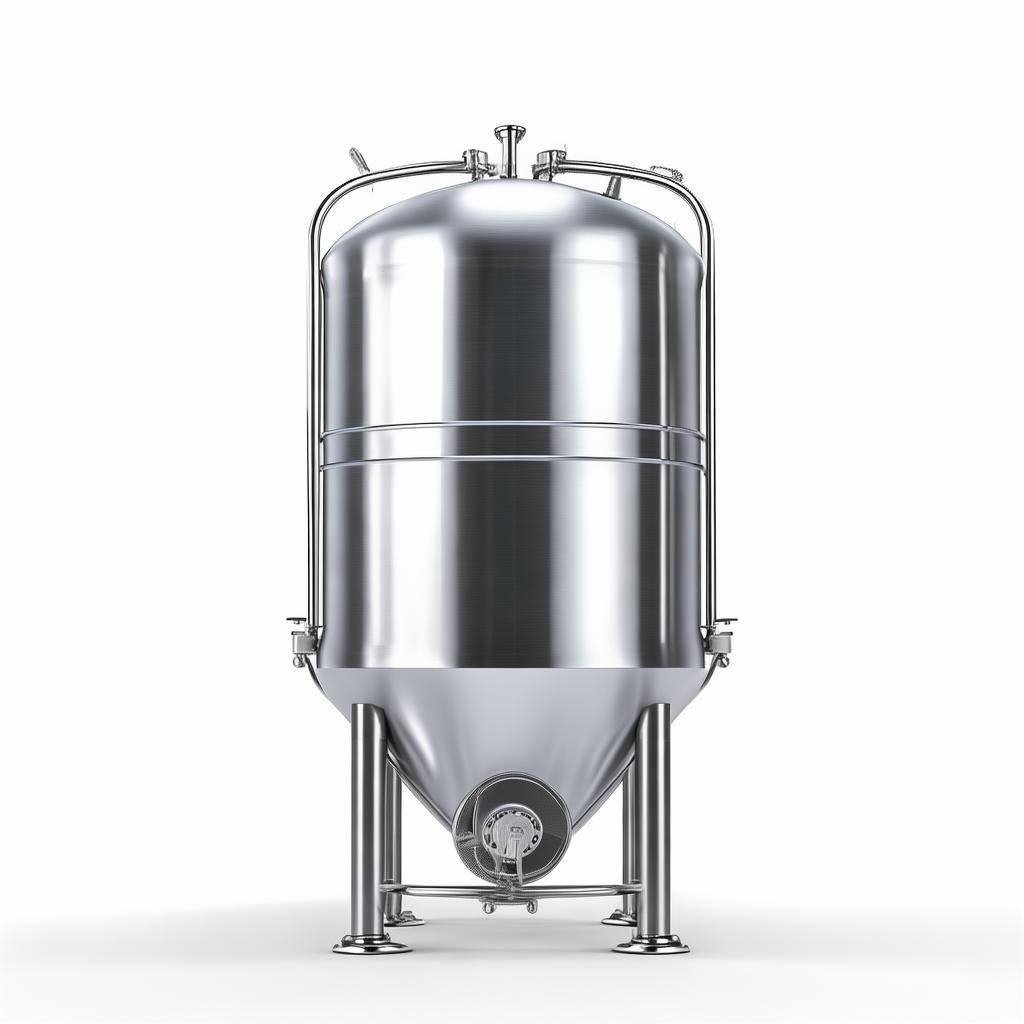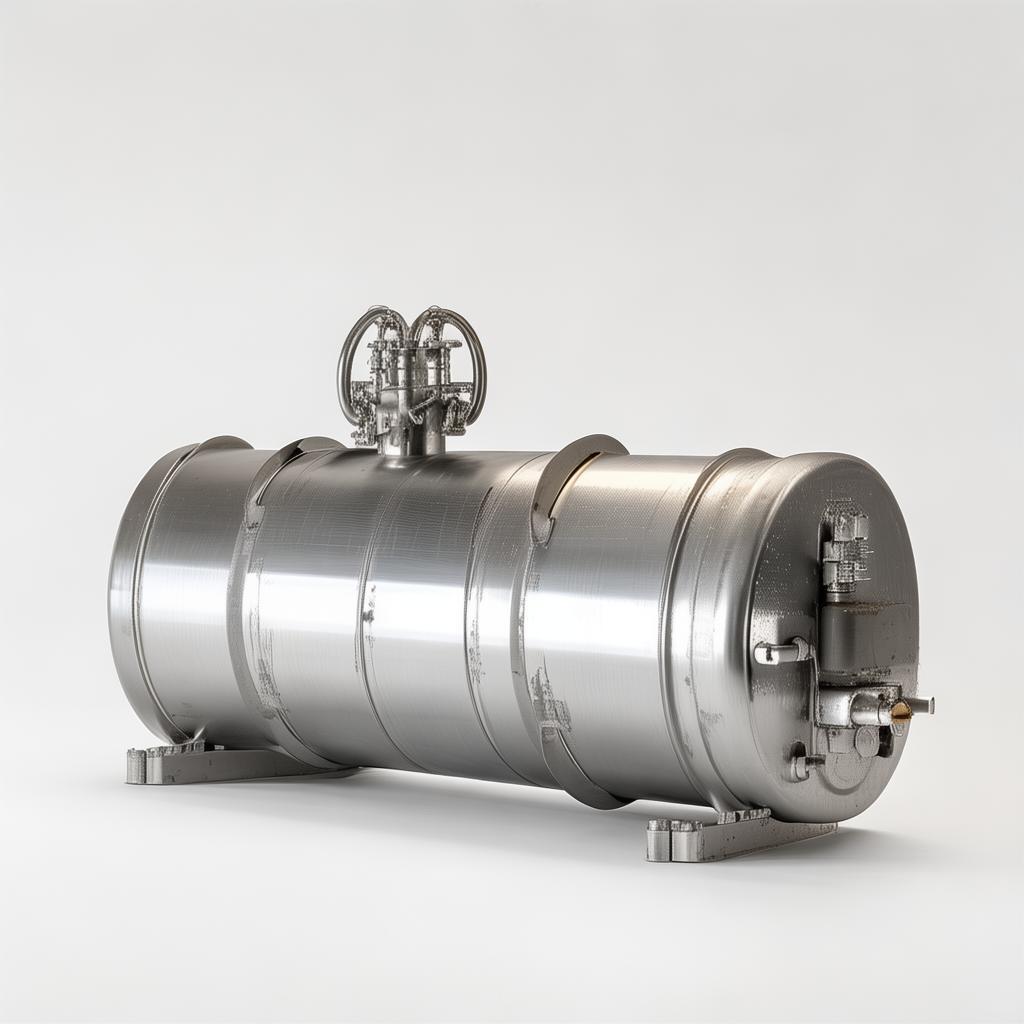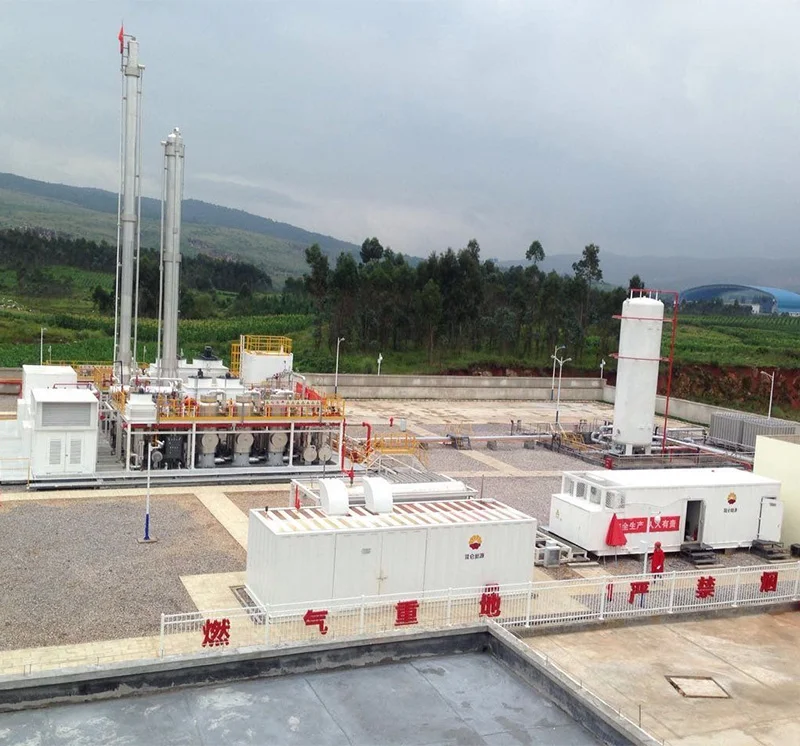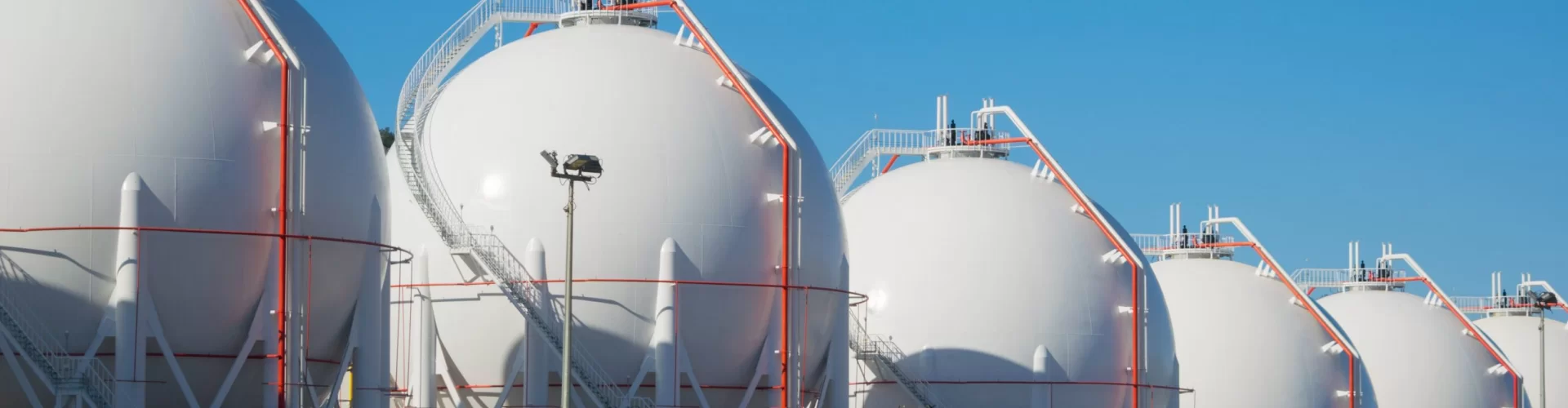
Slash waste management expenses by 40% while generating renewable energy with Shijiazhuang Enric’s biogas anaerobic digester systems—proven in 40+ countries with ASME, DOT, CE, and ISO 9001 certifications.
Designed for industrial facilities, wastewater plants, and agricultural operations, our digesters convert organic waste into biomethane, heat, and electricity—delivering ROI in under 24 months.
Landfill fees in the U.S. have increased by 37% since 2020 (EPA, 2025), with industrial waste disposal now costing $150–$300 per ton. For a mid-sized food processing plant generating 50 tons/day, that’s $2.7M–$5.4M annually—directly impacting your bottom line.
Worse: These costs are projected to rise by 5–8% yearly due to stricter environmental regulations and landfill capacity shortages.
The U.S. EPA’s 2025 Landfill Methane Rule mandates a 60% reduction in organic waste landfilling by 2030. Non-compliance risks:
Fact: 78% of Fortune 500 companies now require suppliers to report Scope 3 emissions (CDP, 2025).
Natural gas prices fluctuated by 40–60% in 2024–2025 (IEA Gas Market Report, 2026), forcing manufacturers to:
Solution: On-site biogas anaerobic digester systems buffer you from grid volatility by producing 24/7 renewable energy from your own waste.
Most digesters suffer from low methane yields (50–60%), frequent downtime, and high O&M costs. Here’s how Enric’s biogas anaerobic digester systems outperform alternatives:
| Feature | Competitor A (European) | Competitor B (U.S.) | Enric’s System |
|---|---|---|---|
| Methane Yield | 55–60% | 60–65% | 70–75% |
| Downtime | 10–15 days/year | 8–12 days/year | <5 days/year |
| O&M Cost | 15–20% of CAPEX/year | 12–18% of CAPEX/year | 8–10% of CAPEX/year |
| Warranty | 2 years | 3 years | 5 years (industry-leading) |
| Delivery Time | 12–18 months | 10–14 months | 6–8 months |
Note: Data aggregated from vendor specifications and third-party audits (2024–2025).
Result: 99.9% uptime and 25% longer asset lifespan.
| Enric Biogas Anaerobic Digester Models | |||
|---|---|---|---|
| Parameter | EG-1000 (Entry-Level) | EG-5000 (Mid-Range) | EG-10000 (Industrial) |
| Daily Capacity | 1,000 m³ | 5,000 m³ | 10,000 m³ |
| Biogas Output | 200–250 m³/ton | 220–270 m³/ton | 240–280 m³/ton |
| Methane Content | 65–70% | 70–75% | 72–78% |
| Retention Time | 20–30 days | 25–35 days | 30–40 days |
| Operating Temp. | 35–40°C (Mesophilic) | 35–40°C / 50–55°C (Thermophilic) | 50–55°C (Thermophilic) |
| Power Consumption | 0.15 kWh/m³ | 0.12 kWh/m³ | 0.10 kWh/m³ |
| Lifespan | 20+ years | 25+ years | 25+ years |
| Price (FOB China) | $250,000 | $950,000 | $1,800,000 |
Note: Prices exclude installation, training, and biogas upgrading systems. Request a customized quote for your project.
Our biogas anaerobic digester systems are deployed in:

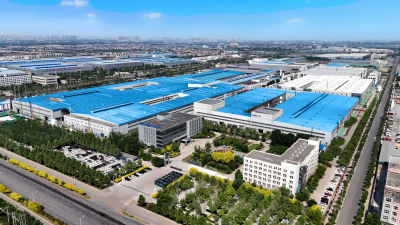
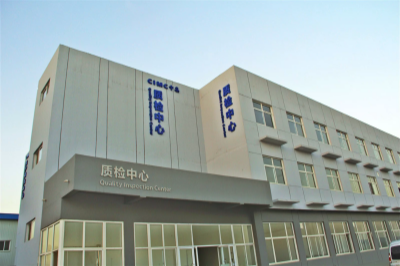


Our biogas anaerobic digester systems hold the industry’s most comprehensive certifications, ensuring seamless integration into your operations:


“Enric’s digester reduced our waste disposal costs by 45% and now supplies 30% of our plant’s electricity. The ROI was achieved in 18 months—faster than projected.”
— James Carter, Operations Director, Tyson Foods (USA)
“We evaluated 5 vendors, but Enric’s modular design and remote monitoring gave us the flexibility we needed. Their team commissioned the system in just 7 months.”
— Klaus Schmidt, Sustainability Manager, Henkel (Germany)
Output depends on feedstock. Typical yields:
1.5–3 years, depending on:
Total: $1.15M/year → Payback in ~2 years.
Yes! Enric offers biogas upgrading systems using:
RNG can be:
Our systems are designed for minimal maintenance:
Optional: Enric’s 24/7 remote monitoring service ($5,000–$15,000/year) handles all diagnostics.
Yes! We partner with:
Example: A $1M system can be leased for $12,000/month with $0 down.
Our turnkey service includes:
Limited-Time Offer: Order before June 30, 2026 and receive:
Risk-Free Guarantees:
Contact Us Today:
Email for Quote WhatsApp (Europe) WhatsApp (North America)
Or call: +86-311-81663811 (Global) | +86 15614368118 (Europe) | +86-15303302613 (North America)

“We installed Enric’s EG-5000 digester 2 years ago to process 30 tons/day of pork processing waste. The system has exceeded expectations:

“Enric’s digester was the only solution that could handle our mixed waste stream (food + sludge). Their team provided:

“As a family-run agribusiness, we needed a cost-effective solution. Enric’s EG-1000 digester was perfect:



Dr. Emily Chen is a Senior Biogas Engineer at Shijiazhuang Enric Gas Equipment Co., Ltd., with 15 years of experience in anaerobic digestion and renewable energy systems. She holds a Ph.D. in Environmental Engineering from Tsinghua University and has led the design of over 50 industrial-scale biogas plants across Asia, Europe, and the Americas.
Dr. Chen is a member of the International Biogas Association (IBA) and has published 20+ papers on waste-to-energy technologies. She specializes in optimizing digester performance for high-solid feedstocks and integrating biogas systems with existing industrial processes.
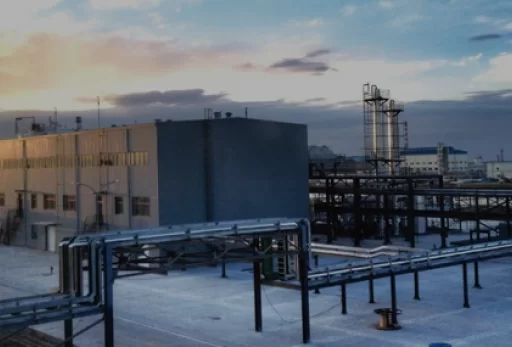
-Hengkai Natural Gas Liquefaction Project
-Changming Phase II Natural Gas Liquefaction Project
-Hwange Natural Gas Liquefaction Project
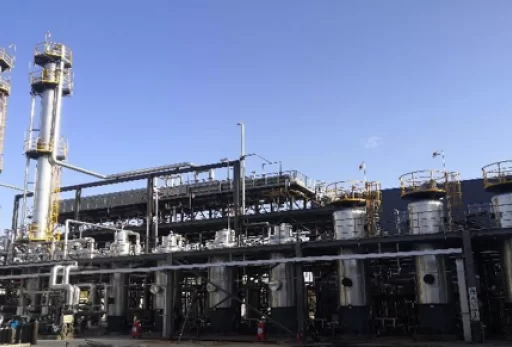
-Tianhao Coalbed Methane Liquefaction Project
-Tianyun Coalbed Methane Liquefaction Project
-Shuntai Coalbed Methane Liquefaction Project
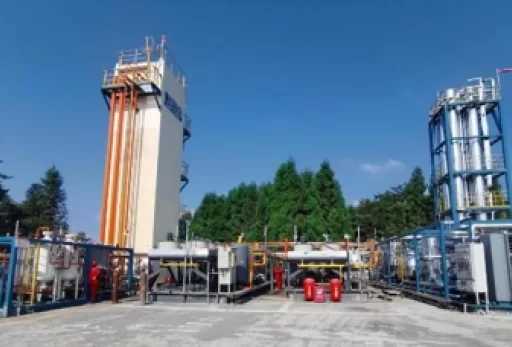
-60.000 cubic meters/day
-60.000 cubic meters/day
-60.000 m3/day*2 sets
-200.000 cubic meters/day