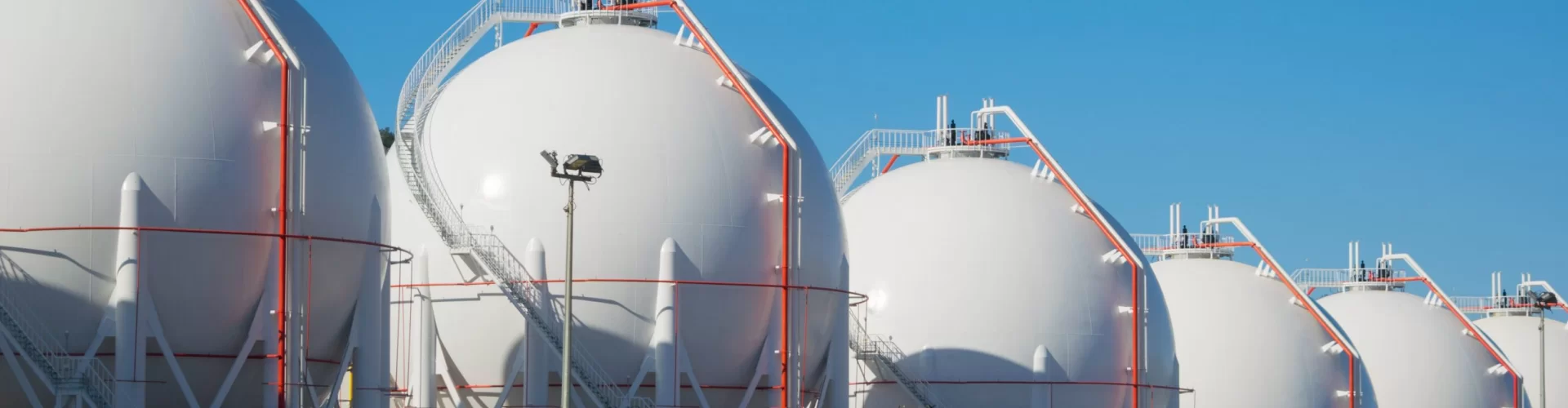
Achieve 90%+ CO₂ capture with Shijiazhuang Enric Gas Equipment’s CCUS-integrated blue ammonia production process. Scalable, compliant, and optimized for global industrial markets—OEM/ODM designs available.
For Purchasing Managers & Technical Directors: Reduce your carbon footprint without compromising efficiency. Our process delivers cost-effective, high-purity ammonia with minimal environmental impact.
Request a Free Process Diagram & QuoteAmmonia (NH₃) is the backbone of modern agriculture and industry, with global production exceeding 180 million metric tons annually (IEA, 2025). Yet, 90% of ammonia is still produced via the Haber-Bosch process, which emits 1.8 tons of CO₂ per ton of ammonia—accounting for 1-2% of global greenhouse gas emissions (Global Hydrogen Review 2025).
For Purchasing Managers and Technical Directors, these are the top 5 pain points with conventional ammonia production:
Fact: The IEA’s Global Hydrogen Review 2025 notes that blue ammonia (with CCUS) can reduce emissions by 85-95% compared to traditional methods, at a 30-50% lower cost than green ammonia.
Your Challenge: How to decarbonize ammonia production without sacrificing cost competitiveness or scalability.
Shijiazhuang Enric Gas Equipment’s blue ammonia production process integrates Carbon Capture, Utilization, and Storage (CCUS) with optimized Haber-Bosch synthesis, delivering:
Our post-combustion capture system (using amine-based solvents) removes >90% of CO₂ from syngas, compliant with EU Taxonomy and US IRA 45Q standards.
Verification: Certified by DNV for ISO 27914:2017 (Carbon Footprint of Products).
Patented heat integration recycles waste energy from CCUS, reducing natural gas consumption by 12-15%.
Plug-and-play skid-mounted units from 50 to 2,000 TPD, deployable in 12-18 months—40% faster than custom-built plants.
Use Case: Ideal for fertilizer plants, hydrogen carriers, and power generation.
Pre-certified for EU CBAM, US IRA, and Singapore’s CCS Standards. No retrofitting needed—future-proof your operations.
How we stack up against traditional Haber-Bosch and green ammonia (renewable electrolysis):
| Metric | Traditional Haber-Bosch | Green Ammonia (Electrolysis) | Enric Blue Ammonia |
|---|---|---|---|
| CO₂ Emissions (kg/ton NH₃) | 1,800-2,200 | 0-200 (depends on grid) | 100-200 |
| Production Cost ($/ton) | $400-600 | $800-1,200 | $500-700 |
| Energy Efficiency | 60-70% | 55-65% | 70-75% |
| Scalability | High (mature) | Low (renewable limits) | High (modular) |
| Time to Market | N/A | 5-10 years | 12-18 months |
| Feedstock Flexibility | Natural Gas Only | Renewables + Water | Natural Gas, Biogas, or Coal |
Data Sources: IEA (2025), McKinsey Ammonia Decarbonization Report (2024), Enric Internal R&D.
Pro Tip: Our proprietary catalyst (patent #CN113589024A) reduces synthesis pressure to 100-150 bar, cutting compression costs by 20%.

Figure 1: Enric’s CCUS-Integrated Blue Ammonia Process Flow
| Component | Traditional Specification | Enric’s Blue Ammonia Upgrade | Performance Gain |
|---|---|---|---|
| Reformer Tubes | HP40 Mod. (25Cr-35Ni) | HP40 Mod. + Al₂O₃ Coating | +30% lifetime |
| CCUS Solvent | 30% MEA | 40% Piperazine + Activators | +15% CO₂ absorption |
| Synthesis Catalyst | Iron-based (Fe₃O₄) | Ruthenium-Promoted Fe | +25% activity at 150 bar |
| Heat Recovery | Single-stage HRSG | 3-Stage Waste Heat Boiler | +12% energy recovery |
Use Case: Low-carbon urea for EU/US markets.
ROI: 18-24 months via CBAM savings.
Use Case: Ammonia cracking for green H₂ transport.
Efficiency: 1.8x H₂ density vs. liquid H₂.
Use Case: Co-firing in coal plants (20% NH₃ blend).
Emissions Cut: 20-25% NOx reduction.
Use Case: Feed for nitric acid, caprolactam.
Purity: 99.99% for high-end chemicals.
Client: Confidential (Fortune 500 Agri-Chemical Co.)
Challenge: Meet IRA 45Q tax credits ($85/ton CO₂ stored) while maintaining $550/ton NH₃ production cost.
Solution: Enric’s modular blue ammonia process with onsite CO₂ sequestration.
Results:
“Enric’s blue ammonia solution cut our carbon tax liability by 85% while keeping production costs competitive. Their modular design allowed us to scale up in phases—critical for our CAPEX constraints.”
The debate between blue ammonia (natural gas + CCUS) and green ammonia (renewable electrolysis) dominates industry forums. Here’s the unbiased breakdown based on IEA, McKinsey, and Enric’s pilot data:
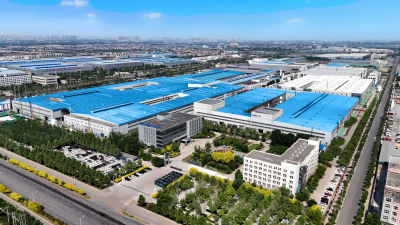
Blue Ammonia:
Green Ammonia:
Source: IEA Future of Hydrogen (2021), McKinsey (2024)
Hybrid Approach: Start with blue ammonia for immediate decarbonization, then transition to green ammonia as costs fall. Our modular CCUS systems are future-proof—designed for gradual green H₂ integration.
Example: A client in Saudi Arabia uses our blue ammonia process today and plans to switch 30% of H₂ to renewable electrolysis by 2030.
Blue ammonia is produced from natural gas with CCUS, capturing 90%+ of CO₂ emissions. Green ammonia uses renewable hydrogen (from electrolysis) and has near-zero emissions but is 2-3x more expensive today.
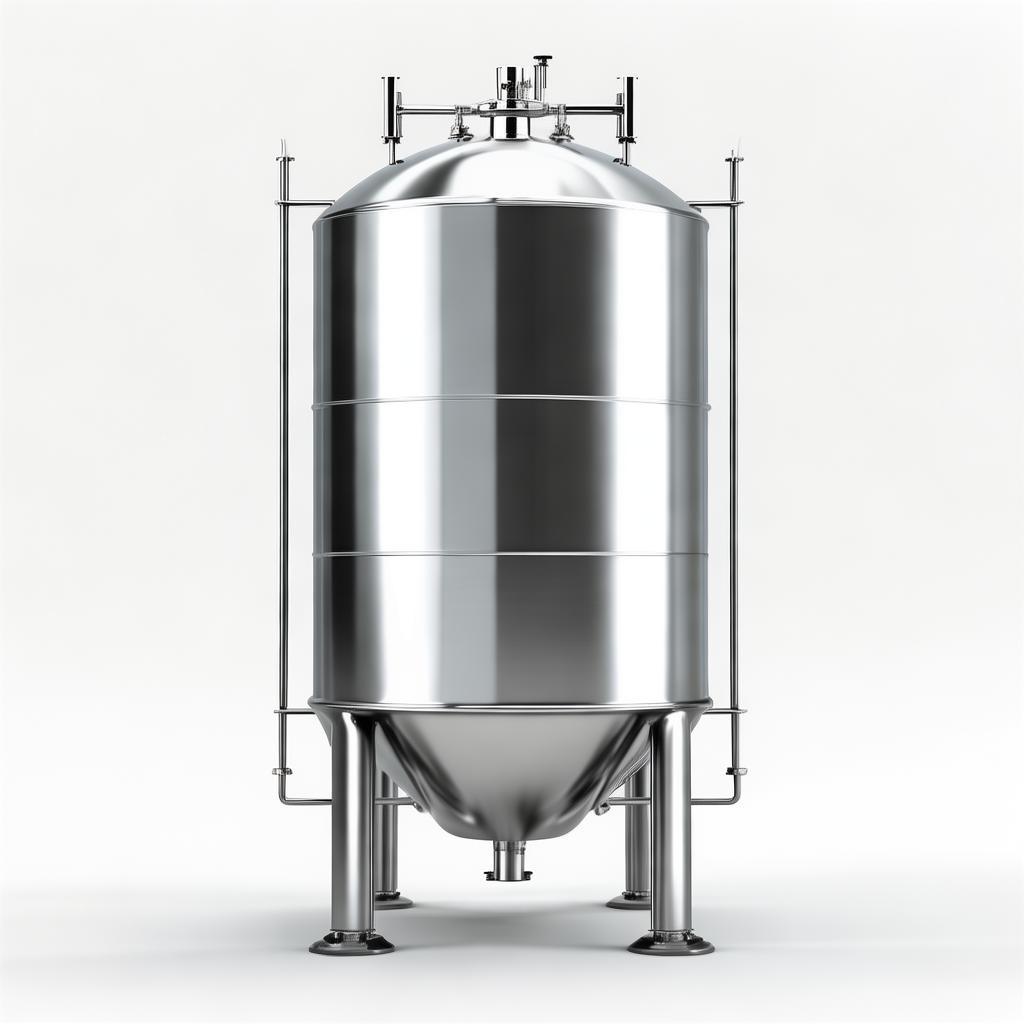
Our amine-based post-combustion capture system achieves 92-95% CO₂ capture, verified by DNV and TÜV SÜD. This exceeds the 85% industry average and qualifies for EU CBAM and US IRA 45Q.
Our blue ammonia costs $500-700/ton (2026), vs. $400-600/ton for traditional. The $100-200 premium is offset by:
Yes. Our flexible reforming technology supports:
Note: Coal-based ammonia has higher carbon intensity but may be viable in regions with abundant coal + CCS infrastructure (e.g., China, India).
12-18 months for our modular skid-mounted units (50-1,000 TPD). This is 40% faster than traditional EPC projects (24-36 months).
Breakdown:
Yes. We provide:
Example: A client in Indonesia licensed our technology for a 2,000 TPD blue ammonia plant with local manufacturing.
Our lifetime support includes:
We offer three options for captured CO₂:
Note: We provide full value-chain consulting to identify the most profitable CO₂ pathway for your location.

“We were skeptical about CCUS integration, but Enric’s team proved us wrong. Their blue ammonia process reduced our CO₂ emissions by 93% while cutting natural gas use by 14%. The modular design made installation seamless. Highly recommend for anyone looking to decarbonize quickly.”

“As a long-time Haber-Bosch operator, I was impressed by Enric’s low-pressure synthesis catalyst. It increased our ammonia yield by 8% at 150 bar, saving us $2M/year in compression costs. Their local support team in Riyadh was responsive and knowledgeable.”

“Enric’s blue ammonia process helped us meet EU CBAM requirements ahead of schedule. The certification process was smooth, and their CCUS system exceeded our 90% capture target. Only deduction: lead time was 2 months longer than promised due to supply chain delays (not their fault).”

“We retrofitted our 20-year-old ammonia plant with Enric’s CCUS solution. The payback period was 3.1 years thanks to India’s carbon credit market. Their Indian engineering team understood our local regulations perfectly. Zero downtime during installation!”

“As a CFO, I care about ROI and risk. Enric’s blue ammonia process delivered:
Ready to decarbonize your ammonia production with a proven, scalable, and cost-effective solution? Here’s how to proceed:
Schedule a 30-minute call with our CCUS experts to discuss your feedstock, scale, and compliance needs.
Outcome: Preliminary techno-economic assessment.
Book a CallReceive a customized PFD (Process Flow Diagram) and CAPEX/OPEX estimate within 5 business days.
Requirements: Share your feedstock type, capacity, and location.
Request DiagramVisit our Shijiazhuang facility to see blue ammonia equipment in production and meet our R&D team.
Bonus: Free CCUS workshop for your technical team.
Schedule a VisitWhy now? Lock in 2025 pricing before steel and catalyst costs rise in 2026.
Terms: 50% deposit, delivery within 12 months.
Claim Discount Before Q2 2026Risk-Free Guarantee: 100% refundable deposit if project feasibility is not confirmed.
Contact: Bowen Di
Tel: +86 15614368118
WhatsApp: +86 18132059236
Email: dibowen@enricgroup.com
Contact: Jeremy Wu
Tel: +86-15303302613
WhatsApp: +86 13831019831
Email: wuzuoliang@enricgroup.com
Tel: +86-311-81663811
Email: gasequipment@enricgroup.com
Address: No. 169, Yuxiang Street, Equipment Manufacture Base, Shijiazhuang, 051430 Hebei Province, China
Prefer instant messaging? Here are screenshots of recent conversations with our clients:


Scan the QR code below to start a chat on WhatsApp:

Dr. Li Wei | Senior Process Engineer, Shijiazhuang Enric Gas Equipment Co., Ltd.
Expertise: 20+ years in ammonia synthesis, CCUS integration, and high-pressure gas systems.
Credentials:
Publications: Co-author of “A review on hydrogen production and utilization” (ScienceDirect, 2021).
Contact: liwei@enricgroup.com | LinkedIn
Shijiazhuang Enric Gas Equipment is your trusted partner for blue ammonia solutions that are:
✉️ Email: gasequipment@enricgroup.com | 📞 Tel: +86-311-81663811 | 🌐 Website: www.enricgroupsjz.com
© 2025 Shijiazhuang Enric Gas Equipment Co., Ltd. All Rights Reserved.
Privacy Policy | Terms of Service
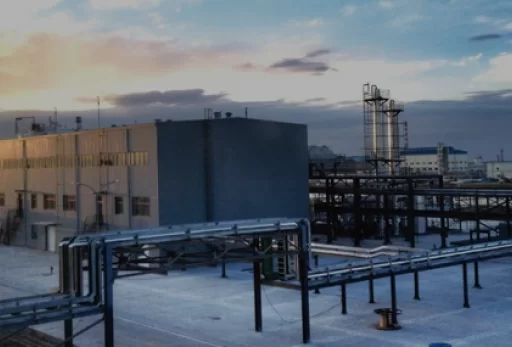
-Hengkai Natural Gas Liquefaction Project
-Changming Phase II Natural Gas Liquefaction Project
-Hwange Natural Gas Liquefaction Project
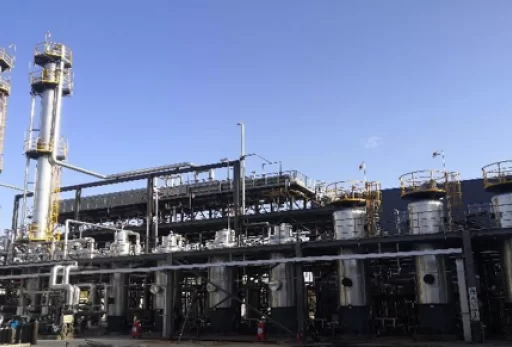
-Tianhao Coalbed Methane Liquefaction Project
-Tianyun Coalbed Methane Liquefaction Project
-Shuntai Coalbed Methane Liquefaction Project
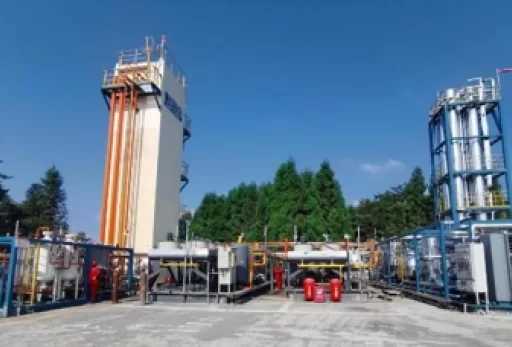
-60.000 cubic meters/day
-60.000 cubic meters/day
-60.000 m3/day*2 sets
-200.000 cubic meters/day


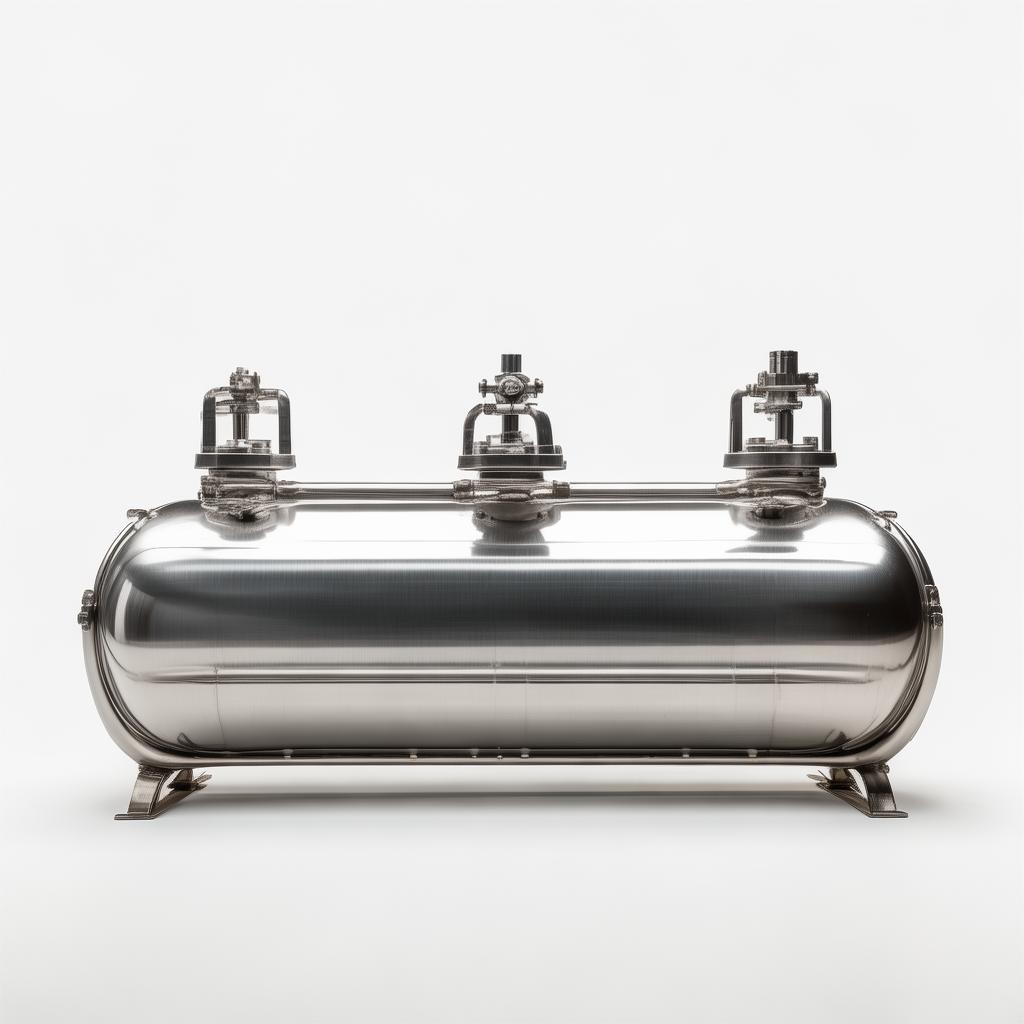

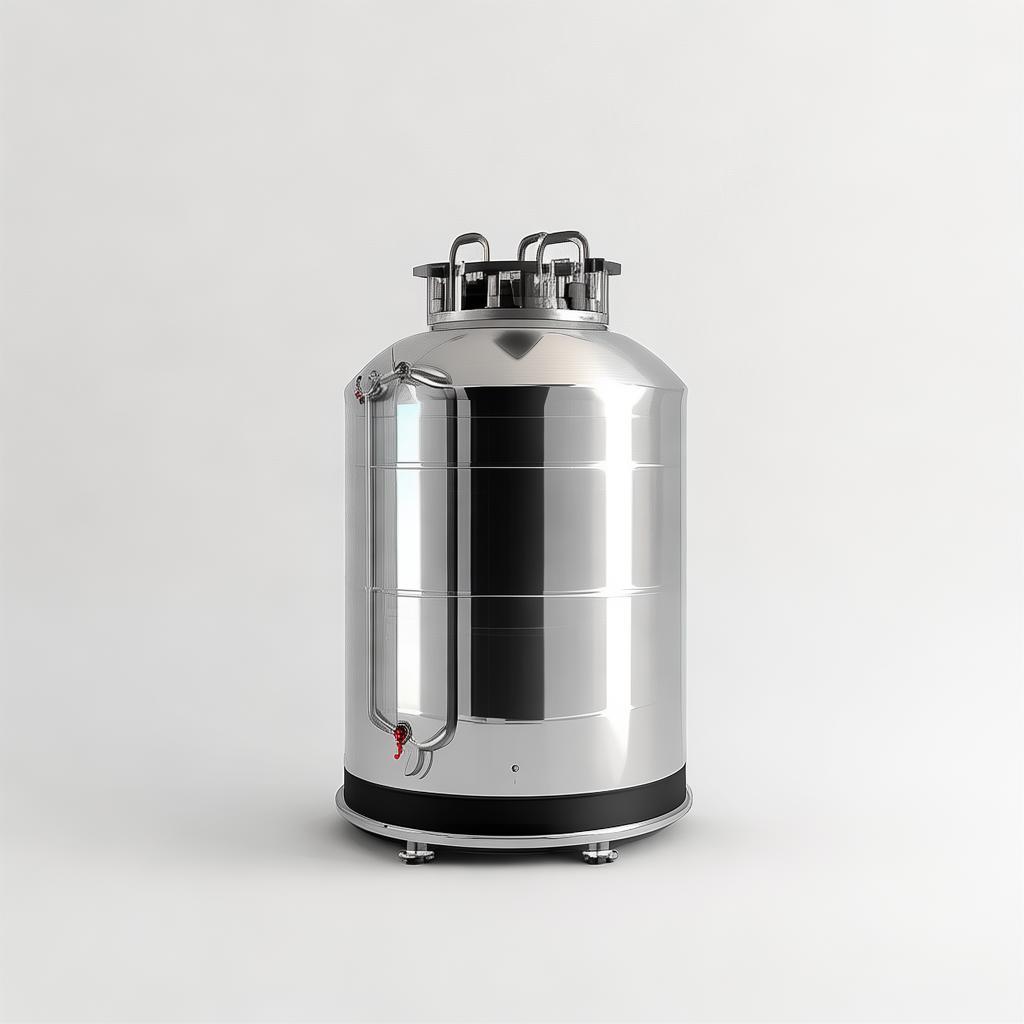
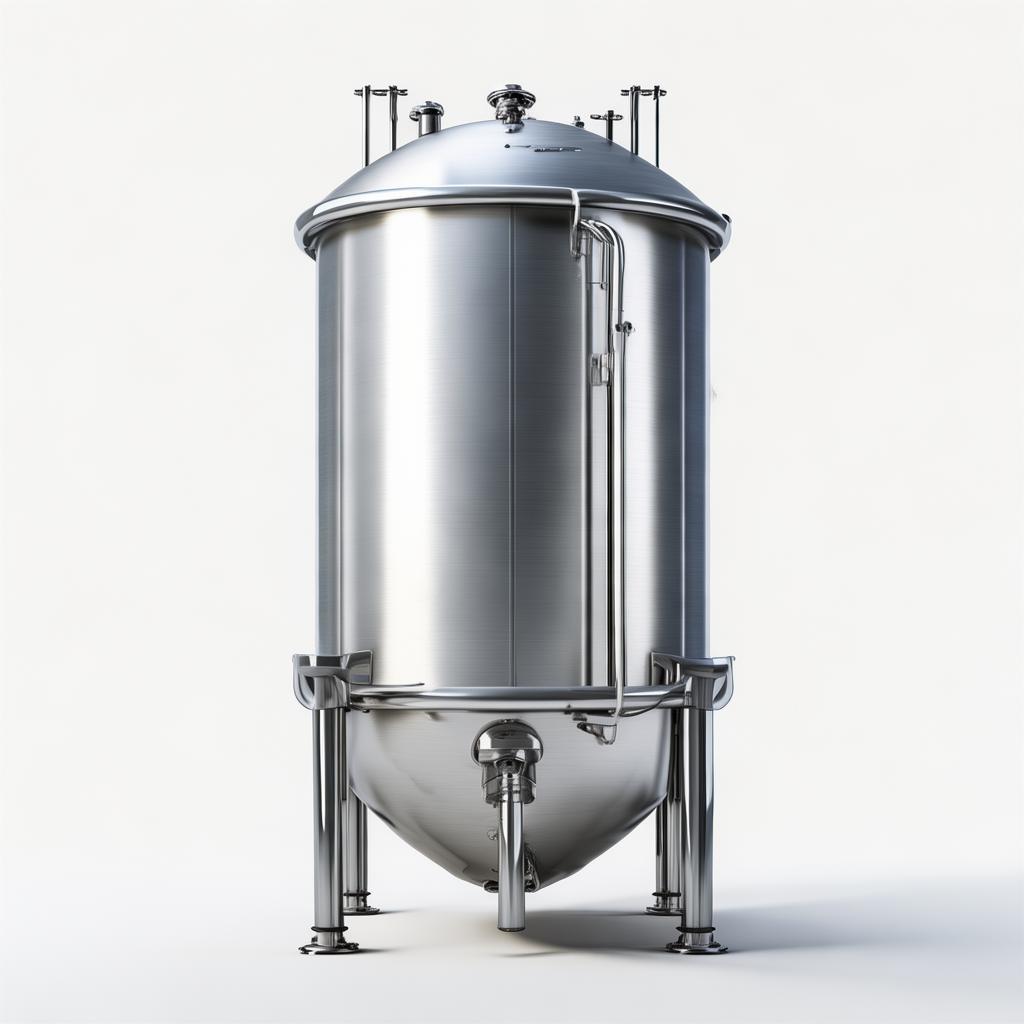
5. Trusted by Global Industrial Leaders
🏆 Certifications & Compliance
Our blue ammonia process and equipment meet the highest international standards:
Note: All certifications are project-specific. Contact us for a full compliance matrix.
🤝 Client Success Stories
“Enric’s blue ammonia process helped us achieve a 92% CO₂ capture rate at our Qatar plant, qualifying for EU CBAM compliance and reducing our carbon tax by $18M/year.”
— Project Manager, Shell Qatar
“Their modular design allowed us to deploy a 500 TPD blue ammonia unit in 14 months—30% faster than traditional EPC. The 15% energy savings exceeded our targets.”
— Operations Director, Yara International
“We retrofitted an existing Haber-Bosch plant with Enric’s CCUS system. The payback was 2.8 years thanks to IRA 45Q credits and lower natural gas usage.”
— VP of Sustainability, CF Industries
📊 Market Recognition
🌐 Global Footprint
With 40+ years of experience and 1,000+ gas equipment installations worldwide, Enric serves clients in:
Note: Flags represent countries where Enric’s ammonia/CCUS equipment is operational.