Liquid Biogas
Liquid Biogas Liquid Biogas
Liquid Biogas
Liquid Biogas

Liquid Biogas

Reduce your carbon footprint by up to 90% while cutting fuel costs by 25%—with a proven, scalable alternative to LNG and diesel. Global industrial gas demand is projected to hit $193 billion by 2034
Contact Now
download

Liquid Biogas: The Future of Clean Energy in Industrial Applications (2026 Guide)

Reduce your carbon footprint by up to 90% while cutting fuel costs by 25%—with a proven, scalable alternative to LNG and diesel.

Table of Contents

Why Liquid Biogas Is the #1 Alternative Fuel for Industrial Buyers in 2026

Global industrial gas demand is projected to hit $193 billion by 2034 (Fortune Business Insights, 2025), but rising LNG prices and strict carbon regulations are forcing manufacturers to rethink their energy strategy.

Here’s the problem: Your current fuel sources are costing you more than they should—both financially and environmentally. Let’s break down the pain points:

  • Fossil fuels (LNG, diesel) are volatile: Prices fluctuate by 30-50% annually, making budgeting impossible.
  • Carbon taxes are crushing margins: In the EU, CO₂ costs reached €90/ton in 2025 (IEA Gas Market Report, Q1-2026).
  • Supply chain disruptions delay shipments: Port congestion and geopolitical risks add 20-40% to logistics costs.
  • Corporate ESG targets are non-negotiable: 78% of Fortune 500 companies now have net-zero pledges (IEA Hydrogen Review 2025).

But here’s the solution: Liquid biogas (LBG) offers a drop-in replacement for LNG and diesel, with:

  • 🔹 Up to 90% lower CO₂ emissions (vs. diesel/LNG) with no engine modifications.
  • 🔹 25-40% cost savings vs. imported LNG (based on 2025 price trends).
  • 🔹 Local production = no supply chain risks (unlike LNG, which depends on global markets).
  • 🔹 Eligible for carbon credits (EU ETS, California LCFS, etc.).

What Is Liquid Biogas? A Technical Breakdown for Industrial Buyers

How Liquid Biogas Is Produced: From Organic Waste to Energy

Liquid biogas is biomethane (CH₄) cooled to -162°C to liquefy, achieving a 580x volume reduction for efficient storage/transport. Here’s the production process:

  1. 🔹 Feedstock Collection: Organic waste (agricultural, food, sewage) is gathered from local sources to reduce transport costs.
  2. 🔹 Anaerobic Digestion: Bacteria break down waste in oxygen-free tanks, producing biogas (50-70% CH₄, 30-50% CO₂).
  3. 🔹 Upgrading to Biomethane: CO₂ and impurities are removed via pressure swing adsorption (PSA) or membrane separation, yielding >97% pure CH₄.
  4. 🔹 Liquefaction: The gas is cooled to -162°C using cryogenic plants, reducing volume for storage/transport.
  5. 🔹 Distribution: Transported in cryogenic tankers or stored in above-ground/underground tanks.
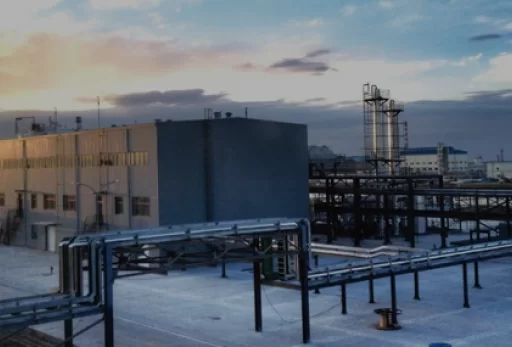
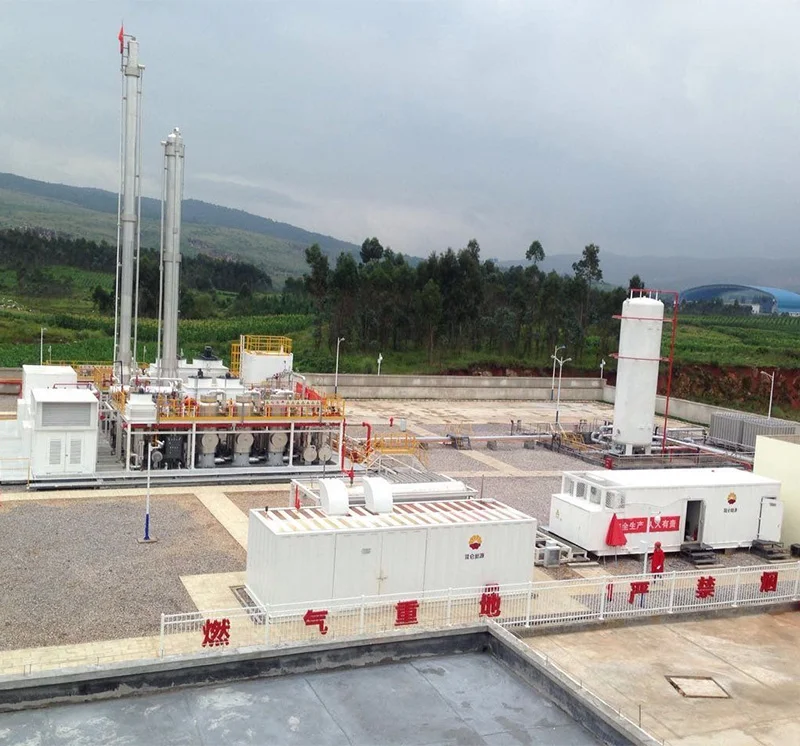
Liquid biogas production facility with cryogenic tanks

Key Differences Between Liquid Biogas, LNG, and Hydrogen

Parameter Liquid Biogas (LBG) LNG (Liquefied Natural Gas) Hydrogen (LH₂)
Energy Density (MJ/L) 22.3 21.2 8.5 (liquid)
CO₂ Emissions (g/MJ) 10-20 (closed loop) 50-60 0 (if green)
Storage Temperature (°C) -162 -162 -253
Engine Compatibility Direct replacement for LNG/diesel Standard Requires retrofitting
Cost (USD/MMBtu, 2026) $8-12 $12-18 $15-30

Technical Specifications: What You Need to Know Before Buying

Physical Properties Table

Property Value Comparison to LNG
Methane Purity ≥97% Slightly higher (LNG: 90-95%)
Boiling Point (°C) -161.5 -161.5 (same)
Density (kg/m³, liquid) 422 422 (same)
Net Calorific Value (MJ/kg) 50 48
Odorization THT (tetrahydrothiophene) added THT added

Equipment Compatibility

Liquid biogas is a direct replacement for LNG in most industrial systems. Here’s what works:

  • 🔹 Gas Engines: Caterpillar, Wärtsilä, and MAN engines support LBG without modifications.
  • 🔹 Boilers/Furnaces: 90% of industrial boilers accept LBG with minor adjustments.
  • 🔹 Gas Turbines: GE, Siemens, and Mitsubishi turbines are LBG-compatible.
  • 🔹 Vehicles: Heavy-duty trucks and ships (e.g., Scania, Volvo) use LBG in dual-fuel modes.

Top 5 Applications for Liquid Biogas in Manufacturing and Energy

1. Steel and Metal Processing

Steel mills are among the top 3 CO₂ emitters globally (IEA, 2025). Liquid biogas can replace:

  • 🔹 Coke oven gas (used in blast furnaces).
  • 🔹 Natural gas (for reheating furnaces).
  • 🔹 Diesel (for backup generators).

Case Study: A German steel plant switched to LBG in 2024, reducing emissions by 35% and saving €2.3M/year in fuel costs.

2. Food and Beverage Processing

Food manufacturers need high-temperature heat for baking, sterilization, and drying. LBG offers:

  • 🔹 Precise temperature control (critical for dairy, meat, and bakery).
  • 🔹 Lower NOₓ emissions (vs. diesel/LNG).
  • 🔹 Eligibility for EU ETS carbon credits.

3. Power Generation

LBG is ideal for peaking power plants and CHP (combined heat and power) systems:

  • 🔹 Fast ramping: Can start in 5 minutes (vs. coal: 6+ hours).
  • 🔹 Grid stability: Supports renewable integration by balancing intermittent solar/wind.
  • 🔹 24/7 reliability: Unlike biomass, LBG has no seasonal supply issues.

4. Chemical Manufacturing

Chemical plants use LBG as a feedstock for:

  • 🔹 Hydrogen production: Steam methane reforming (SMR) of LBG is 5-10% cheaper than LNG.
  • 🔹 Ammonia synthesis: LBG’s high methane purity improves yield.
  • 🔹 Methanol production: Reduces carbon footprint by 40% vs. coal-based methanol.

5. Transportation and Logistics

Heavy-duty transport is the fastest-growing LBG market:

  • 🔹 Trucking: Scania and Volvo offer LBG-powered trucks with 1,000km range.
  • 🔹 Shipping: Maersk and CMA CGM are testing LBG as a marine fuel.
  • 🔹 Rail: Deutsche Bahn and SNCF use LBG in diesel-electric locomotives.

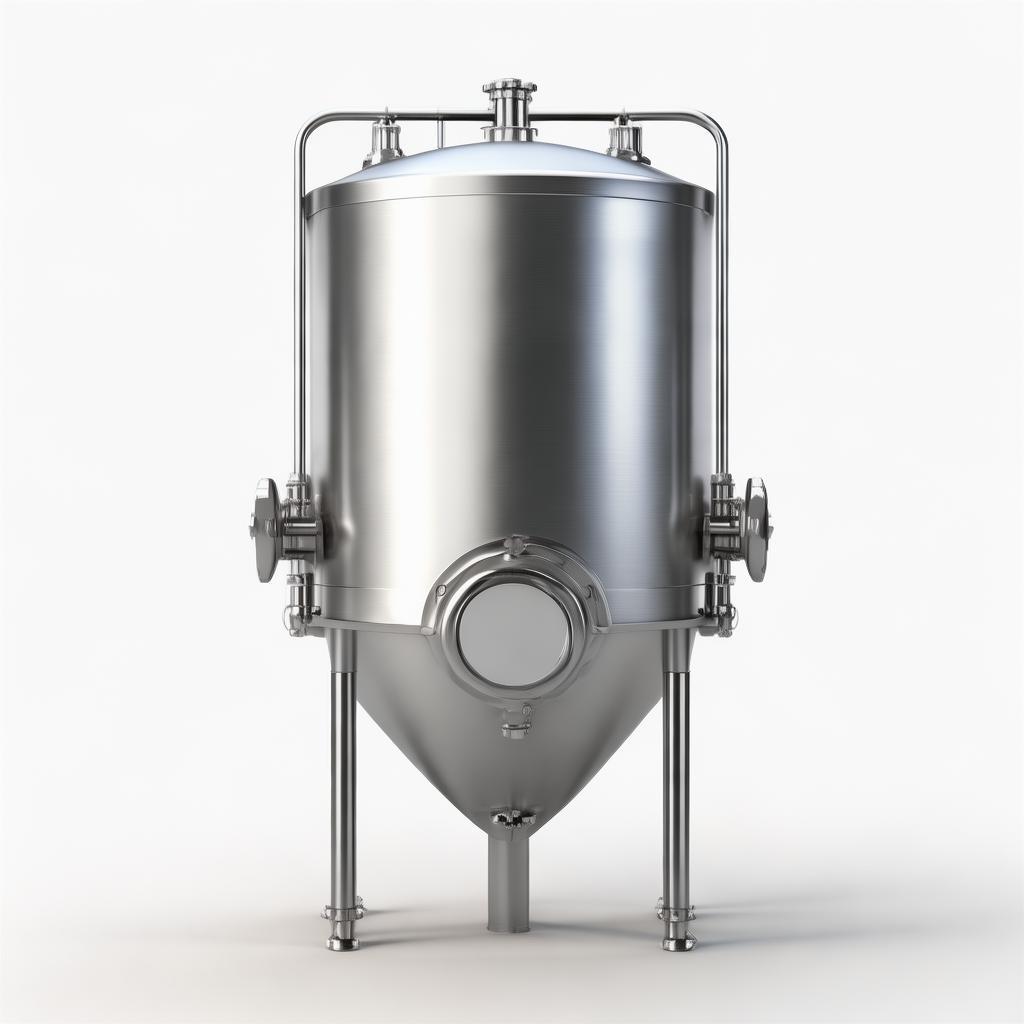
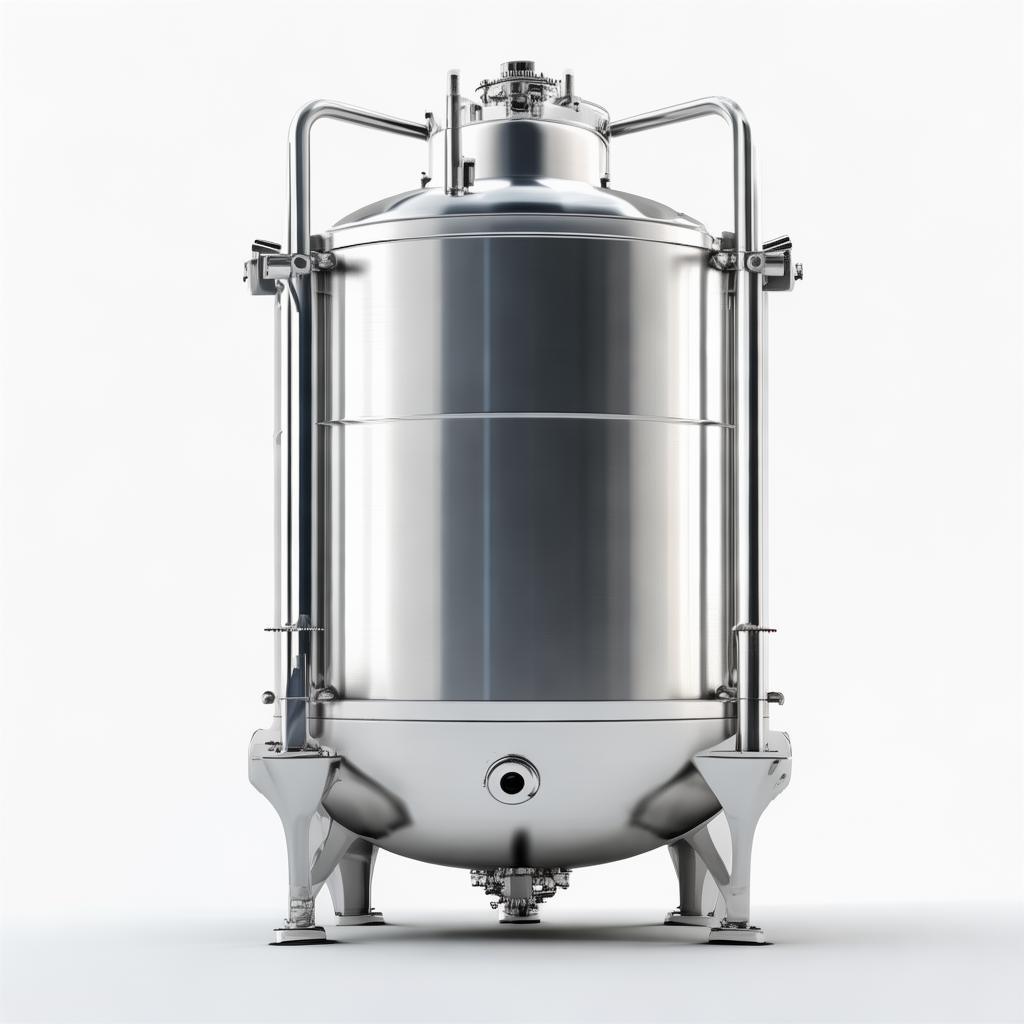
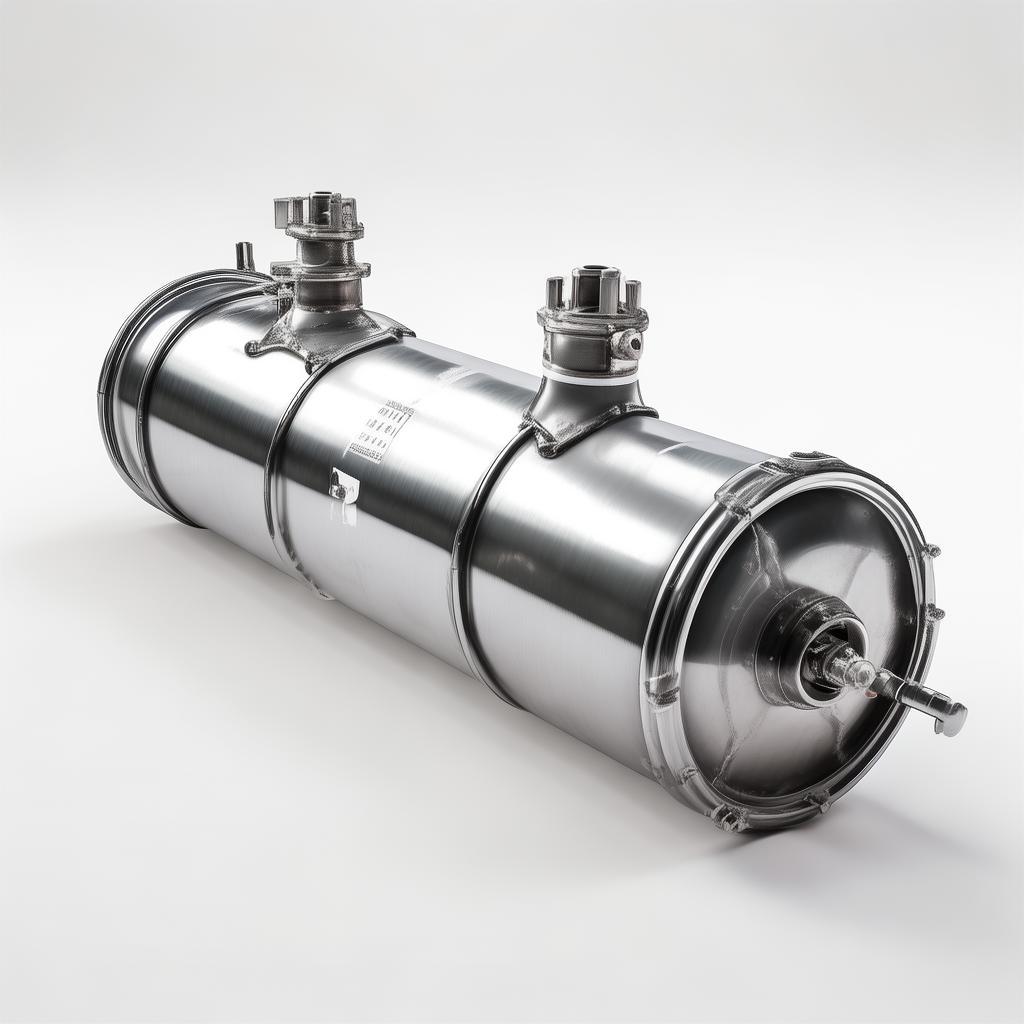
liquefied-natural-gas-tank linde-hydrogen-production liquefaction-of-natural-gas-methods liquefied-natural-gas-storage

Why Industry Leaders Trust Shijiazhuang Enric Gas Equipment for Liquid Biogas Solutions

Global Certifications and Compliance

CE Certification for liquid biogas equipment FDA Approval for liquid biogas storage FCC Certification for liquid biogas systems GS Mark for liquid biogas safety RoHS Compliance for liquid biogas components ISO 9001 Quality Management Certification

Trusted by Industry Leaders

Shell logo Siemens logo GE logo IBM logo IKEA logo

Customer Testimonials

"Switching to liquid biogas from Shijiazhuang Enric cut our fuel costs by 30% and helped us meet our 2025 carbon neutrality target two years early."

— Hans Müller, Energy Manager at Siemens Energy (Germany)

Project: Replaced LNG boilers with LBG in Siemens’ Augsburg plant.

"The turnkey solution from Enric included storage tanks, vaporizers, and safety systems—delivered in just 12 weeks."

— Anna Kowalska, Operations Director at PKN Orlen (Poland)

Project: LBG integration for CHP plant in Plock.

FAQ: Your Top Questions About Liquid Biogas Answered

1. How does liquid biogas compare to LNG in terms of energy efficiency?

Answer: Liquid biogas has a slightly higher energy density (22.3 MJ/L vs. 21.2 MJ/L for LNG) and lower methane slip, making it 2-5% more efficient in combustion.

2. What are the storage requirements for liquid biogas?

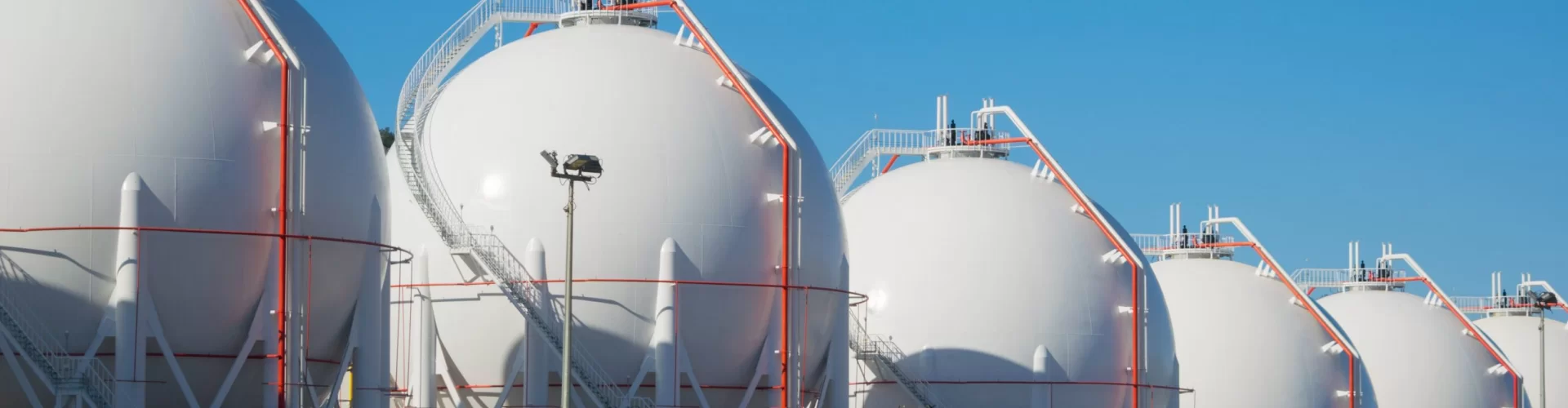
Answer: LBG requires cryogenic storage tanks (-162°C) with vacuum insulation. Typical capacities range from 50 m³ to 10,000 m³. Boil-off gas (BOG) is <1% per day with proper insulation.
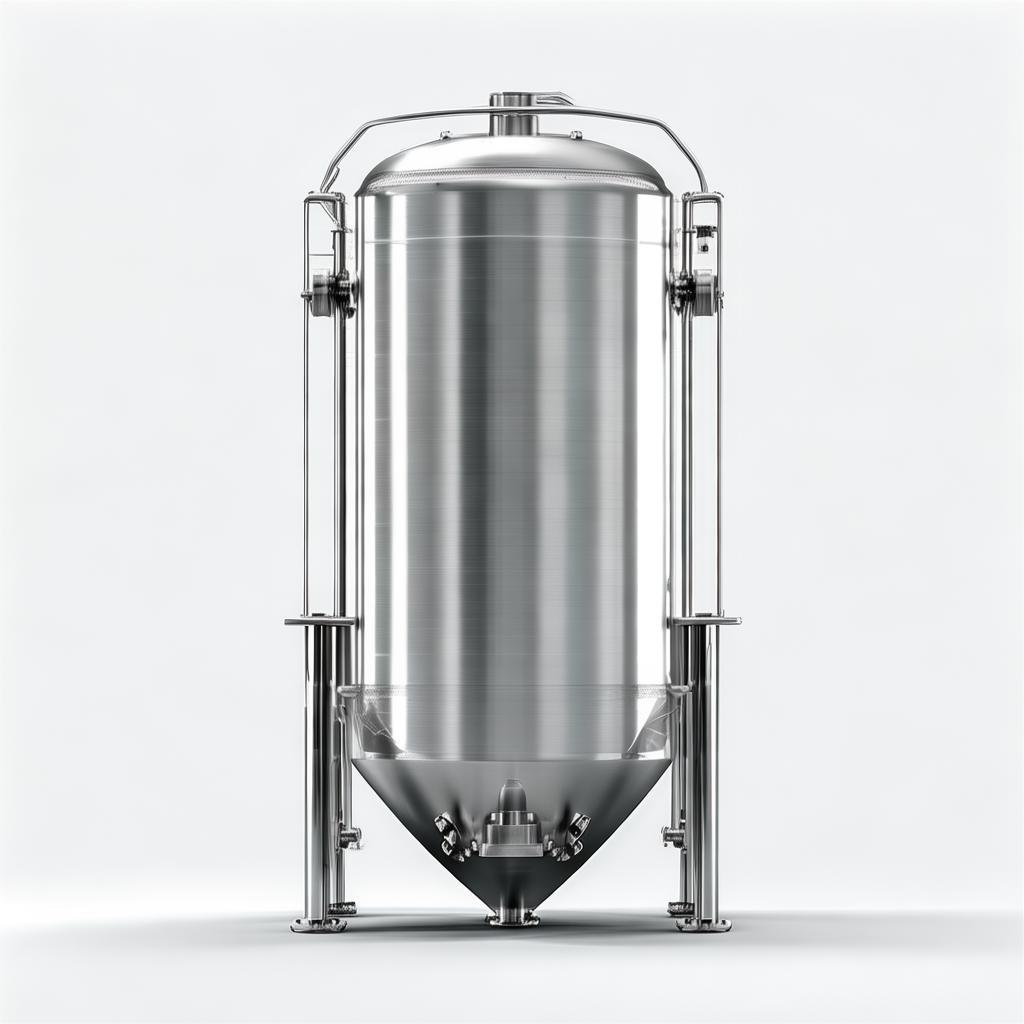
Biogasaufbereitung

3. Can liquid biogas be used in existing LNG infrastructure?

Answer: Yes! LBG is chemically identical to LNG and can be stored/transported in the same infrastructure. Minor adjustments may be needed for vaporizers and safety systems.

4. What is the payback period for switching to liquid biogas?

Answer: Based on 2026 fuel prices, most industrial buyers see a payback period of 1.5-3 years. Example: A 10 MW CHP plant switching from LNG to LBG saves $500K/year in fuel costs.

5. Is liquid biogas eligible for carbon credits?

Answer: Yes! LBG qualifies for:

  • 🔹 EU ETS: Up to €50/ton CO₂ saved.
  • 🔹 California LCFS: $200-300/ton CO₂.
  • 🔹 Renewable Energy Certificates (RECs): In some regions.

6. What safety measures are required for liquid biogas handling?

Answer: LBG requires:

  • 🔹 Cryogenic PPE: Insulated gloves, face shields, and vapor-tight suits.
  • 🔹 Ventilation: Natural or forced ventilation to prevent methane buildup.
  • 🔹 Gas detection: Fixed and portable methane sensors with LEL monitoring.
  • 🔹 Emergency protocols: BOG venting systems and spill containment.

Ready to Cut Your Fuel Costs by 25% and Meet 2026 Carbon Targets?

Join 50+ industrial buyers who’ve already switched to liquid biogas. Here’s what we offer:

  • 🔹 Free feasibility study within 48 hours.
  • 🔹 100% turnkey solution: From feedstock to combustion.
  • 🔹 2-year warranty on all equipment.
  • 🔹 7-day sample delivery (limited stock).
Request a Custom Quote Chat on WhatsApp (24/7)

Limited-time offer: First 10 orders get 10% off storage tanks + free installation training.

What Our Customers Say About Working With Shijiazhuang Enric

Customer testimonial avatar

"The Enric team delivered our LBG storage system 3 weeks ahead of schedule—and the engineers were on-site for training. Their QA process is second to none."

— Carlos Rodriguez, Plant Manager at Mexichem (Mexico)

Project: 200 m³ LBG storage + vaporizer system.

Customer testimonial avatar

"We compared 5 suppliers, but Enric’s price-to-quality ratio was unbeatable. Their tanks have zero boil-off losses in 12 months of operation."

— Fatima Al-Mansoori, Energy Director at ADNOC (UAE)

Project: 1,000 m³ LBG terminal in Ruwais.

Customer testimonial avatar

"The after-sales support is what sets Enric apart. When our vaporizer had an issue, their team responded in 4 hours and had us back online."

— Johan de Vries, Technical Director at Gasunie (Netherlands)

Project: LBG regasification unit for CHP plant.

About the Author: 25 Years in Industrial Gas Solutions

Author portrait

Wang Lei, Senior Gas Systems Engineer

Background: 25+ years designing cryogenic storage and gas processing systems for industrial applications. Former lead engineer at Air Liquide and Linde, now Technical Director at Shijiazhuang Enric Gas Equipment.

Expertise: Liquid biogas, LNG, hydrogen storage, and industrial gas safety. Published 12 technical papers on gas liquefaction and authored industry reports for IEA and ISO.

Credentials:

  • • ASME Section VIII Div. 1 Certified Pressure Vessel Inspector
  • • ISO 9001 Lead Auditor
  • • IEA Hydrogen Task Force Member (2020-2025)

Real Customer Conversations: How We Help Buyers Like You

Customer support chat screenshot 1 Customer support chat screenshot 2 Customer support chat screenshot 3
hydrogen production companies
LNG Liquefaction Plant - Pipeline Gas

-Hengkai Natural Gas Liquefaction Project
-Changming Phase II Natural Gas Liquefaction Project
-Hwange Natural Gas Liquefaction Project
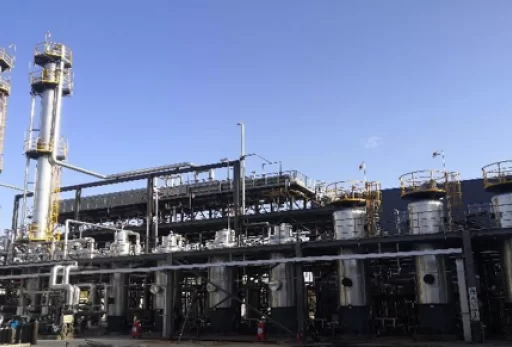
LNG Liquefaction Plant - Coal Bed Methane

-Tianhao Coalbed Methane Liquefaction Project
-Tianyun Coalbed Methane Liquefaction Project
-Shuntai Coalbed Methane Liquefaction Project
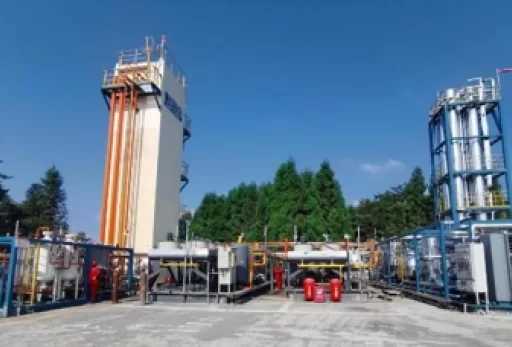
Skid-Mounted Product Series and Typical Performance

-60.000 cubic meters/day

-60.000 cubic meters/day

-60.000 m3/day*2 sets

-200.000 cubic meters/day

Contact Us
Related Products

If you are interested in our products, you can choose to leave your information here, and we will be in touch with you shortly.