Liquid Hydrogen Transportation: The Future of Clean Energy Logistics (2026 Guide for Industrial Buyers)
Reduce hydrogen logistics costs by 30% while ensuring compliance, safety, and scalability. Discover how Shijiazhuang Enric Gas Equipment Co., Ltd. delivers high-performance liquid hydrogen transport solutions tailored for industrial buyers in the USA, Europe, and beyond.
📌 Table of Contents
- Why Liquid Hydrogen Transportation is Critical for Your Business in 2026
- How Liquid Hydrogen Transportation Works: Technical Deep Dive
- Liquid Hydrogen Transportation Equipment: What to Look for in 2026
- Applications & Industry Use Cases for Liquid Hydrogen Transportation
- Challenges in Liquid Hydrogen Transportation (And How to Overcome Them)
- Shijiazhuang Enric Gas Equipment Co., Ltd.: Your Trusted Partner
- Buyer’s Guide: How to Select the Right Equipment
- FAQs: Everything You Need to Know
- Customer Testimonials: Real-World Success Stories
- Get a Free Consultation & Quote
🔥 Why Liquid Hydrogen Transportation is Critical for Your Business in 2026
The Global Push for Hydrogen: Market Trends & Policy Drivers
Hydrogen is no longer just an experimental energy carrier—it’s a cornerstone of the global energy transition. According to the IEA’s Global Hydrogen Review 2025, global hydrogen demand reached 95-100 million metric tons in 2024, with low-emissions production projected to grow to 4.2 million metric tons per year by 2030. Governments worldwide are investing heavily in hydrogen infrastructure, with:
- 🇪🇺 EU: The EU Hydrogen Strategy targets 10 million tons of domestic production and 10 million tons of imports by 2030.
- 🇺🇸 USA: The U.S. DOE has allocated $7 billion for clean hydrogen hubs, aiming for $1/kg hydrogen by 2031.
- 🇨🇳 China: The National Development and Reform Commission plans to produce 100,000-200,000 tons of hydrogen annually by 2025 via renewables.
Why Your Supply Chain Needs Liquid Hydrogen Now
If your business relies on clean energy, high-purity gases, or decarbonization initiatives, liquid hydrogen transportation is a game-changer. Here’s why:
- 🚀 Higher Energy Density: Liquid hydrogen (LH₂) contains ~3x more energy per volume than compressed hydrogen (CH₂), making it ideal for long-distance transport.
- 💰 Cost Efficiency: Transporting hydrogen in liquid form reduces fuel costs by up to 50% compared to gaseous transport (source: Fortune Business Insights).
- ♻️ Sustainability: Liquid hydrogen enables zero-emission power generation, fuel cells, and industrial processes, aligning with ESG goals.
- 🏭 Industrial Applications: Used in steel production, ammonia synthesis, refining, and semiconductor manufacturing—critical for high-tech industries.
liquid-hydrogen-pipeline industrial-tank-construction iso-tank-container-types liquid-hydrogen-pressure
The 3 Biggest Pain Points in Hydrogen Logistics (And How to Solve Them)
Despite its potential, liquid hydrogen transportation comes with challenges. Here’s what’s keeping supply chain managers up at night—and how to address them:
1. 🔥 Boil-Off Loss: The Silent Profit Killer
Liquid hydrogen boils at -253°C, leading to 0.3-2% daily evaporation losses in storage. For a 100-ton shipment, this could mean $5,000+ in lost product per day.
Solution: Invest in vacuum-insulated tanks with < 0.1% daily boil-off (e.g., Enric’s CRYO-TANK® series).
2. ⚠️ Safety & Compliance Risks
Liquid hydrogen is highly flammable and can cause cryogenic burns. Non-compliance with DOT, ASME, or CE standards risks fines and supply chain disruptions.
Solution: Partner with a supplier holding ASME U Stamp, DOT 4L certification, and CE marking (e.g., Enric’s certified tanks).
3. 💸 High Capital & Operational Costs
Liquid hydrogen infrastructure requires specialized equipment ($200K-$1M per tank) and high energy inputs for liquefaction ($3-5/kg).
Solution: Opt for modular, scalable solutions (e.g., Enric’s ISO containerized tanks) and explore leasing/financing options.
🔬 How Liquid Hydrogen Transportation Works: Technical Deep Dive
What is Liquid Hydrogen? Properties & Safety Considerations
Liquid hydrogen (LH₂) is hydrogen cooled to -253°C, reducing its volume by 800x compared to gaseous hydrogen at room temperature. Key properties:
| Property | Value | Safety Notes |
|---|---|---|
| Boiling Point | -252.9°C | Requires cryogenic storage; rapid expansion if warmed |
| Energy Density | 10.1 MJ/L (vs. 0.0108 MJ/L for gaseous H₂ at 200 bar) | Higher efficiency for transport |
| Flammability Range | 4-75% in air | Extremely flammable; requires ventilation |
| Autoignition Temperature | 585°C | Lower than gasoline (257°C); avoid ignition sources |
The Liquid Hydrogen Transportation Process: From Production to Delivery
The journey of liquid hydrogen from production to end-use involves multiple stages, each requiring specialized equipment and compliance:
-
1. Production: Hydrogen is produced via electrolysis (green H₂) or steam methane reforming (blue H₂), then liquefied at -253°C.

-
2. Storage: Liquid hydrogen is stored in vacuum-insulated cryogenic tanks (e.g., Enric’s CRYO-TANK®).
-
3. Transportation: Transported via tanker trucks, ISO containers, or pipelines, depending on volume and distance.
-
4. Handling & Unloading: Requires vaporizers, pumps, and compliance with DOT/ASME standards.
Cryogenic Storage Tanks: Design & Material Specifications
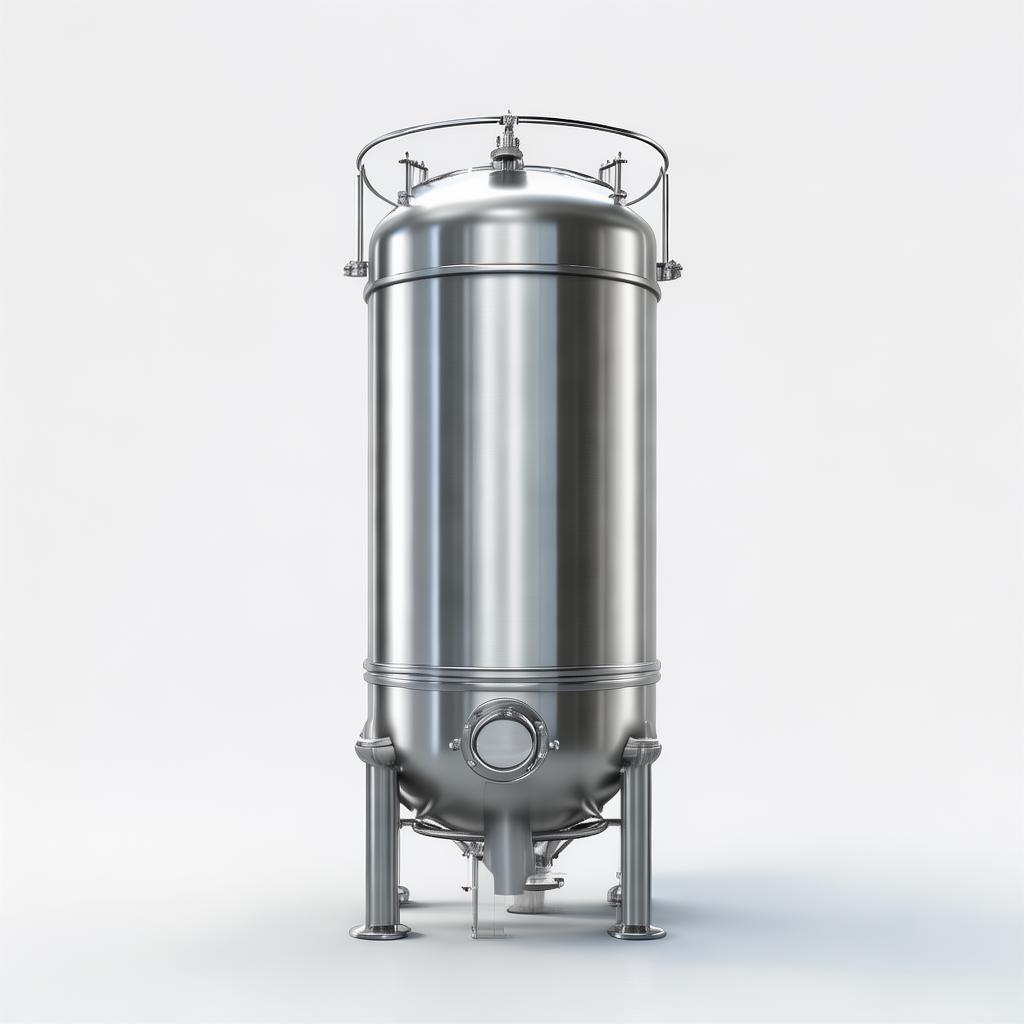
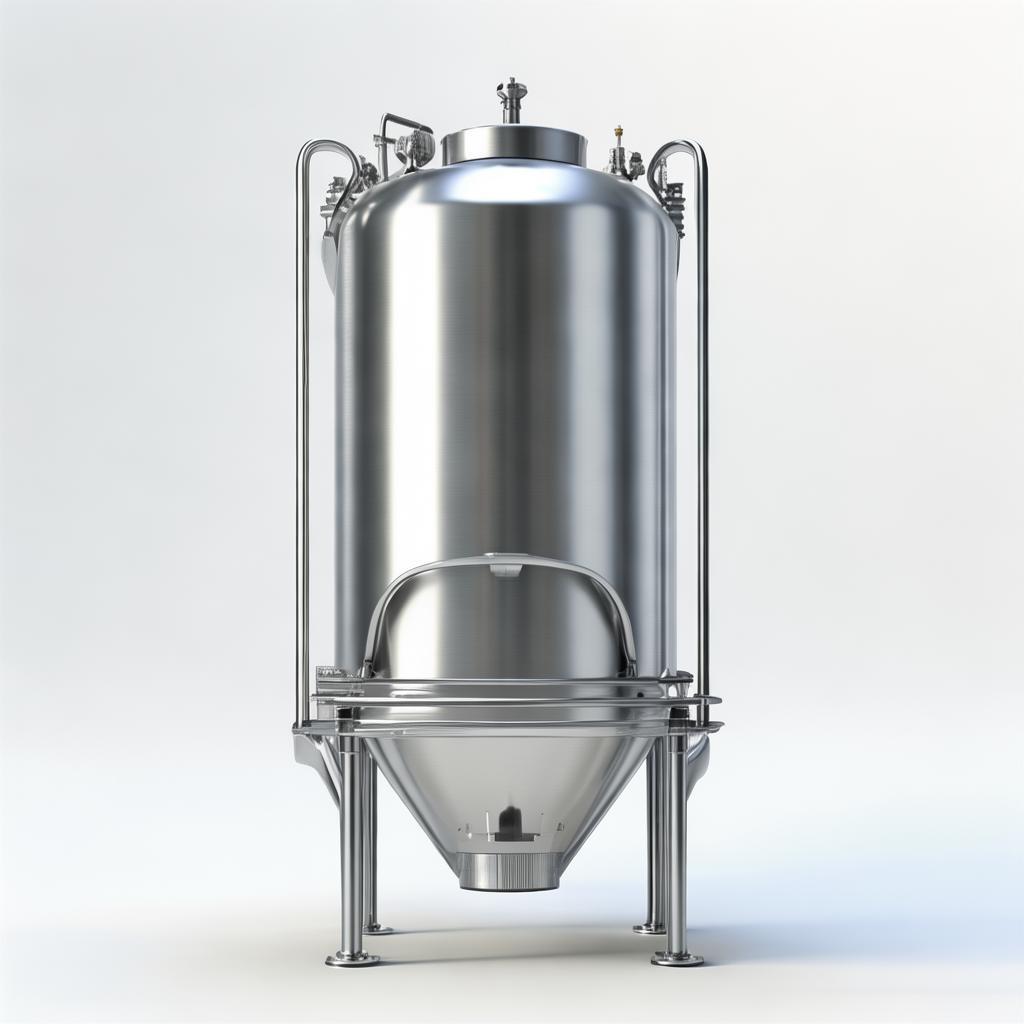
The heart of liquid hydrogen logistics is the cryogenic storage tank. Key design features:
- Inner Vessel: Made of 9% nickel steel or aluminum for cryogenic temperatures.
- Outer Vessel: Carbon steel with vacuum insulation to minimize heat ingress.
- Insulation: Perlite or multi-layer insulation (MLI) to reduce boil-off to < 0.1%/day.
- Pressure Relief: Dual relief valves for vapor and liquid phases.
- Vaporizer: Converts LH₂ to GH₂ for dispensing or fuel cell use.
Transportation Modes: Tanker Trucks, ISO Containers, Pipelines
The right transportation mode depends on volume, distance, and end-use:
| Mode | Capacity | Best For | Speed | Cost |
|---|---|---|---|---|
| Tanker Trucks | 10-20 tons | Short-to-medium haul (<500 km) | Fastest (2-6 hours) | $$ |
| ISO Containers | 20-40 tons | Long-distance/intermodal (500-5,000 km) | Moderate (24-72 hours) | $$$ |
-->
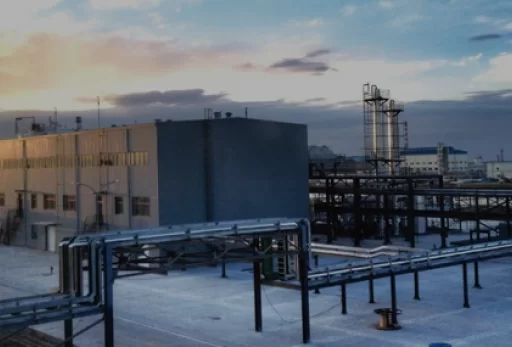
LNG Liquefaction Plant - Pipeline Gas
-Hengkai Natural Gas Liquefaction Project 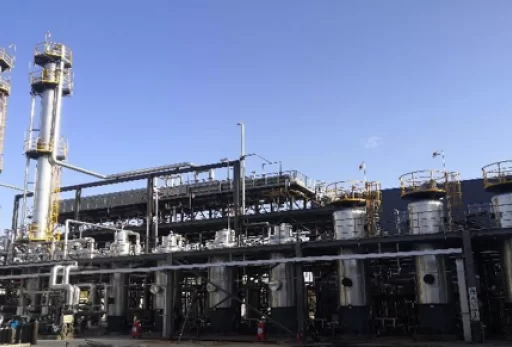
LNG Liquefaction Plant - Coal Bed Methane
-Tianhao Coalbed Methane Liquefaction Project 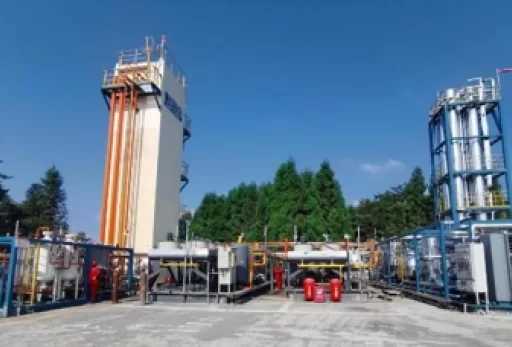
Skid-Mounted Product Series and Typical Performance
-60.000 cubic meters/day -60.000 cubic meters/day -60.000 m3/day*2 sets -200.000 cubic meters/day Contact Us
|