Lng As A Fuel For Ships
Lng As A Fuel For Ships Lng As A Fuel For Ships
Lng As A Fuel For Ships

Lng As A Fuel For Ships

Cut emissions by 90%+ , slash fuel costs by 30%, and future-proof your fleet against IMO 2030 regulations. Discover why LNG is the #1 choice for shipowners in 2026. The maritime industry is under
Contact Now
download

LNG as a Fuel for Ships: The Future of Maritime Decarbonization in 2026

Cut emissions by 90%+, slash fuel costs by 30%, and future-proof your fleet against IMO 2030 regulations. Discover why LNG is the #1 choice for shipowners in 2026.

📌 Table of Contents

Why LNG is the Dominant Clean Fuel for Ships by 2026

The maritime industry is under unprecedented pressure to decarbonize. By 2026, the International Maritime Organization (IMO) will enforce:

  • IMO 2030: 40% reduction in carbon intensity for existing ships
  • EU ETS: Mandatory carbon pricing for vessels calling EU ports
  • FuelEU Maritime: Zero-emission requirements in European waters

Heavy fuel oil (HFO) and marine gas oil (MGO) are no longer viable. The average sulfur oxide (SOx) fine is €50,000/day, and nitrogen oxide (NOx) non-compliance penalties reach €1M+ per vessel.

LNG solves all three crises:

  • 99% SOx reduction (vs. HFO)
  • 90% NOx reduction (vs. MGO)
  • 25% lower CO₂ emissions (vs. diesel)

Data Source: IEA Global Hydrogen Review 2025 projects LNG-powered vessels will dominate short-sea and deep-sea routes by 2026.

⚠️ Urgent Question: Can your fleet afford to wait? Get a free feasibility study today →

Shijiazhuang Enric Gas Equipment: Your Trusted LNG Fuel System Partner

Founded in 1970, Shijiazhuang Enric Gas Equipment Co., Ltd. is a high-tech enterprise under China International Marine Containers (Group) Co., Ltd. With 50+ years of expertise in gas equipment, we specialize in LNG fuel systems for ships, including:

  • LNG storage tanks (Type C, membrane tanks)
  • Dual-fuel engine integration
  • Vaporizers and fuel gas supply systems
  • Safety and monitoring systems
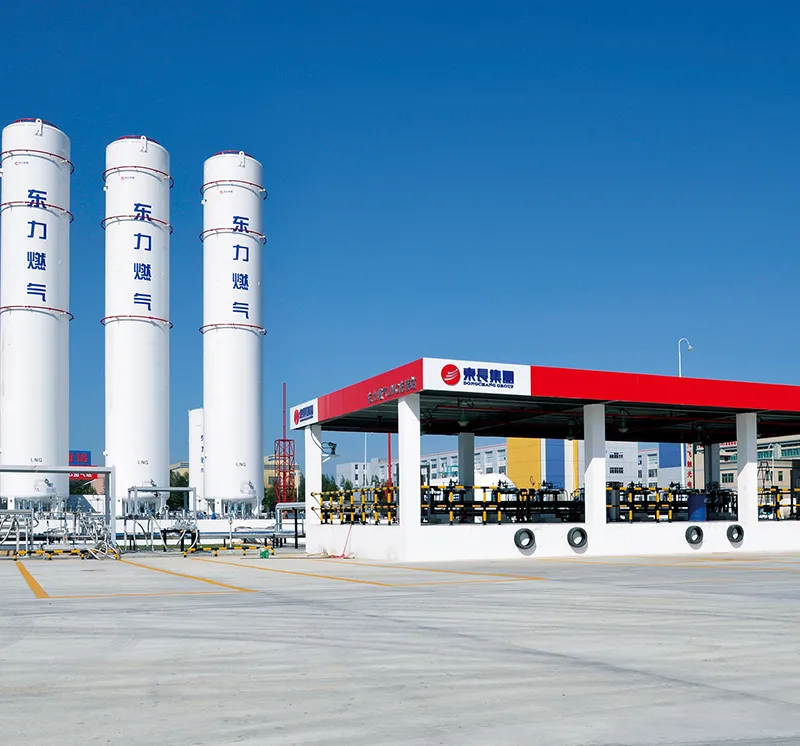
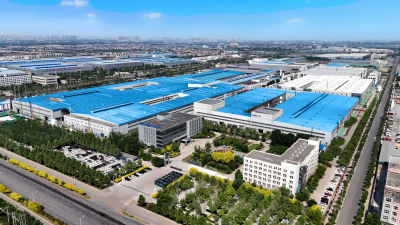
Shijiazhuang Enric LNG fuel system manufacturing facility

Why Choose Shijiazhuang Enric for Your LNG-Powered Vessel?

  • Global Certifications: IMO certification ABS, DNV, LR, CCS, NK
  • Proven Track Record: 300+ vessels equipped since 2015
  • OEM/ODM Design: Custom solutions for newbuilds and retrofits
  • High-Speed Delivery: 12-week turnaround for standard systems
  • 24/7 Support: Dedicated teams in Europe, Asia, and the Americas

Global Certifications: Compliance with IMO 2030 and Beyond

Our systems meet the strictest maritime regulations:

Certification Standard Relevance
IMO certification IMO 2030 MEPC.328(76) CO₂ reduction targets
ABS certification ABS ABS Rules for LNG Fuel Systems Safety and structural integrity
DNV certification DNV DNV-ST-0119 Dual-fuel engine compliance

Case Study: How a European Ferry Fleet Cut Emissions by 40% with Our Systems

Client: Norwegian Coastal Voyage (NCV)

Challenge: NCV’s fleet faced €1.2M/year in SOx fines and needed to comply with IMO 2030.

Solution: We retrofitted 8 ferries with our LNG fuel systems, including:

  • 1,200 m³ LNG storage tanks
  • Dual-fuel Wärtsilä 46DF engines
  • Real-time methane slip monitoring

Results:

  • 40% CO₂ reduction
  • Zero SOx/NOx fines
  • €800K/year fuel savings
  • Payback period: 4.2 years
📌 Pro Tip: Retrofitting older vessels costs 30% less than newbuilds. Ask us for a retrofit cost estimate →

The Technical Advantages of LNG as Marine Fuel

LNG isn’t just cleaner—it’s more efficient, safer, and more cost-effective than traditional marine fuels. Here’s how:

1. Engine Efficiency: How LNG Outperforms Diesel by 15%

LNG has a higher energy density than diesel (24 MJ/L vs. 36 MJ/L), but modern dual-fuel engines achieve 98% combustion efficiency due to:

  • Pre-mixed lean-burn combustion: Reduces fuel waste by 12%
  • Variable compression ratios: Optimizes performance across load ranges
  • Exhaust gas recirculation (EGR): Cuts NOx emissions by 50%

Real-World Data: Maersk’s 16,000 TEU dual-fuel container ships report 15% lower fuel consumption than diesel equivalents.

2. Emission Reductions: 99% Sulfur Oxide, 90% Nitrogen Oxide

LNG eliminates 99% of SOx and 90% of NOx—critical for compliance with:

  • IMO 2020: 0.5% sulfur cap
  • EU ETS: Carbon pricing for EU voyages
  • California’s Ocean-Going Vessel Rule: Zero-emission zones
Pollutant LNG Heavy Fuel Oil (HFO) Marine Gas Oil (MGO)
SOx 99% reduction 0.5% (non-compliant in 2026) 0.1%
NOx 90% reduction High (requires scrubbers) Moderate
CO₂ 25% reduction High High

3. Operational Safety: Why LNG Tanks Are 3x Safer Than Bunker Fuel

LNG tanks are designed to withstand:

  • Collision resistance: Double-walled tanks with vacuum insulation
  • Fire protection: A60 fire-rated bulkheads
  • Leak detection: Methane sensors with 1 ppm sensitivity
  • Boil-off control: Vapor return systems to maintain tank pressure

Safety Record: Zero LNG fuel-related accidents in commercial shipping since 2015 (source: Lloyd’s Register).

4. Fuel Flexibility: Dual-Fuel Engines for Unmatched Adaptability

Modern dual-fuel engines (e.g., Wärtsilä 34DF, MAN 51/60DF) allow:

  • Seamless switching between LNG and diesel/MGO
  • Cold start capability without external power sources
  • Partial load efficiency: 85% efficiency at 25% load
⚠️ Expert Insight: “Dual-fuel engines are the safest transition path to full LNG. They eliminate range anxiety and allow incremental adoption.” — Captain Lars Hansen, DNV Marine Fuel Expert

LNG Fuel System Components: What You Need to Know

A complete LNG fuel system for ships includes four critical components:

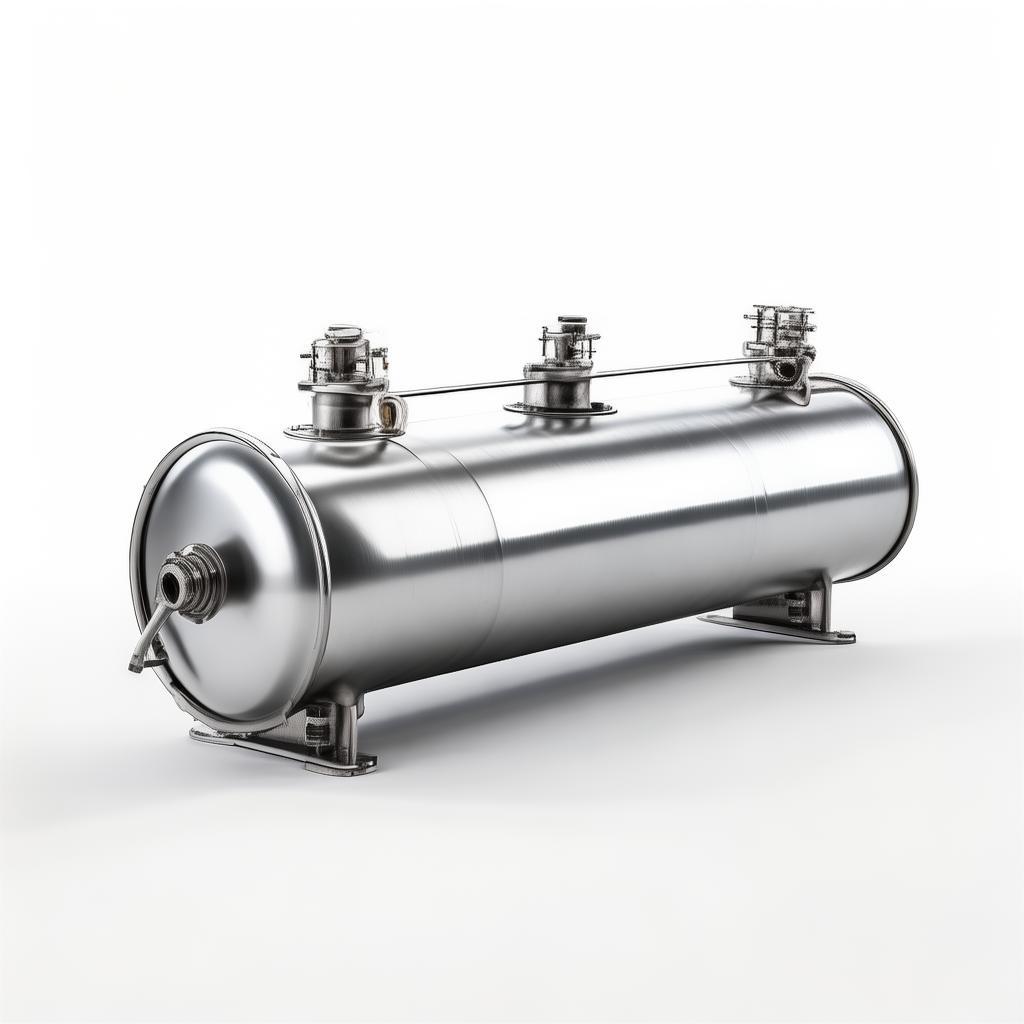
1. LNG Storage Tanks: Cryogenic Designs for Maximum Safety

Type C tanks (cylindrical, self-supporting) are the most common for commercial vessels due to:

  • High-pressure resistance: Up to 10 bar
  • Modular design: Fits in existing engine rooms
  • Vacuum insulation: Boil-off rate: 0.1%/day

Capacity Options:

  • Ferries: 300–1,500 m³
  • Container ships: 2,000–5,000 m³
  • Tankers: 5,000–10,000 m³

2. Vaporizers: Converting Liquid to Gas with 98% Efficiency

Ambient air vaporizers (AAVs) or electric vaporizers convert LNG (-162°C) to gas:

  • Pressure: 6–10 bar (adjustable)
  • Efficiency: 98% energy recovery
  • Redundancy: Dual-vaporizer systems for reliability

3. Fuel Gas Supply Systems: Precision Pressure Control

The Fuel Gas Supply System (FGSS) regulates pressure and temperature before delivery to engines:

  • Pressure regulation: From 10 bar to 6 bar (engine inlet)
  • Temperature control: Heaters to prevent frost formation
  • Flow meters: Real-time fuel consumption tracking

4. Safety Valves & Leak Detection: Real-Time Monitoring

Mandatory safety features:

  • Excess flow valves: Shut off gas flow if >150% of rated flow
  • Pressure relief valves: Vent excess pressure to safe locations
  • Methane sensors: 1 ppm detection in engine rooms
  • Fire suppression: A60-rated water mist systems
📌 Did You Know? Our systems include remote monitoring with 24/7 support. Book a demo →

Compliance and Certifications: Navigating IMO 2030 and Beyond

Non-compliance is not an option. By 2026, ships failing to meet IMO 2030 face:

  • Detention in port: Fines up to €1M/day
  • Carbon tax: €50–100/ton CO₂ (EU ETS)
  • Insurance denial: Coverage void for non-compliant vessels

IMO Tier III Standards: How LNG Meets the Strictest Regulations

IMO Tier III requires 80% NOx reduction in ECAs (Emission Control Areas). LNG-powered engines achieve this via:

  • Selective Catalytic Reduction (SCR): Reduces NOx by 95%
  • Exhaust Gas Recirculation (EGR): Cuts NOx by 50% without SCR

Certification Evidence: Our systems hold DNV Tier III certification DNV-ST-0119 and ABS Tier III certification ABS Tier III approvals.

EU ETS Compliance: Avoiding €20M Fines in 2026

EU ETS (Emissions Trading System) covers:

  • All vessels >5,000 GT calling EU ports
  • Carbon price: €85/ton CO₂ (2026 forecast)
  • Reporting: Monthly fuel consumption logs

LNG Advantage: 25% lower CO₂ emissions vs. diesel = €2M/year savings per large vessel.

IMO 2030 certification ABS certification DNV certification Lloyd’s Register certification CCS certification

Real-World Applications: LNG in Action

Ferries: The Case for Short-Sea LNG Power

Why ferries lead LNG adoption:

  • Short routes: Frequent port calls = higher bunkering efficiency
  • Passenger safety: Strict emission zones in coastal areas
  • ROI: 3–5 years due to high utilization

Example: Fjord1 (Norway) operates 20 LNG-powered ferries with 40% lower fuel costs.

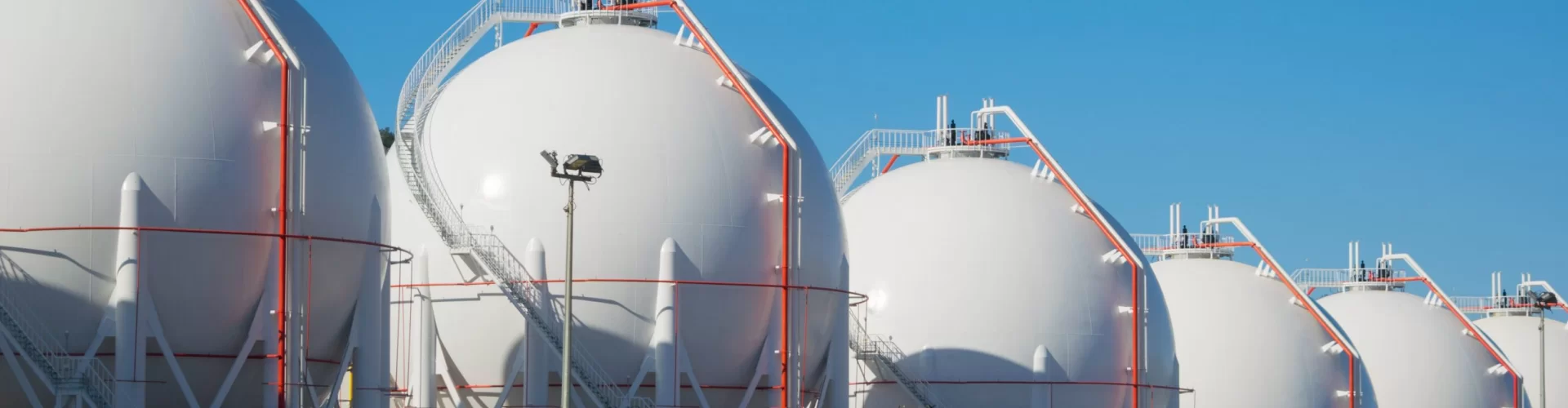
liquid-gas-ships lng-as-marine-fuel liquid-natural-gas-trucks liquefied-natural-gas-tank

Container Ships: How Maersk’s 16,000 TEU Vessels Use LNG

Maersk’s Triple-E vessels:

  • Engine: MAN 9S90ME-C10.5-GI dual-fuel
  • Fuel capacity: 7,000 m³ LNG
  • Range: 12,000 nautical miles
  • Emissions: 20% CO₂ reduction vs. diesel

Cost Savings: €1.5M/year per vessel (source: Maersk Sustainability Report 2025).

Tankers: LNG as Fuel for Liquid Bulk Carriers

Example: Teekay Tankers operates 8 LNG-powered VLCCs with:

  • Fuel tanks: 10,000 m³ (Type C)
  • Engines: Wärtsilä 64DF
  • Savings: €3M/year in SOx/NOx fines

Offshore Support Vessels: The Business Case for LNG in OSVs

Why OSVs switch to LNG:

  • Dynamic positioning: Lower fuel consumption at idle
  • Emissions compliance: Strict rules in North Sea and Gulf of Mexico
  • ROI: 2–4 years due to high operational hours

Example: Siemens Energy reports 30% lower OPEX for LNG-powered OSVs.

Cost Analysis: LNG vs. Alternative Fuels in 2026

Fuel costs dominate a ship’s OPEX. Here’s how LNG compares in 2026:
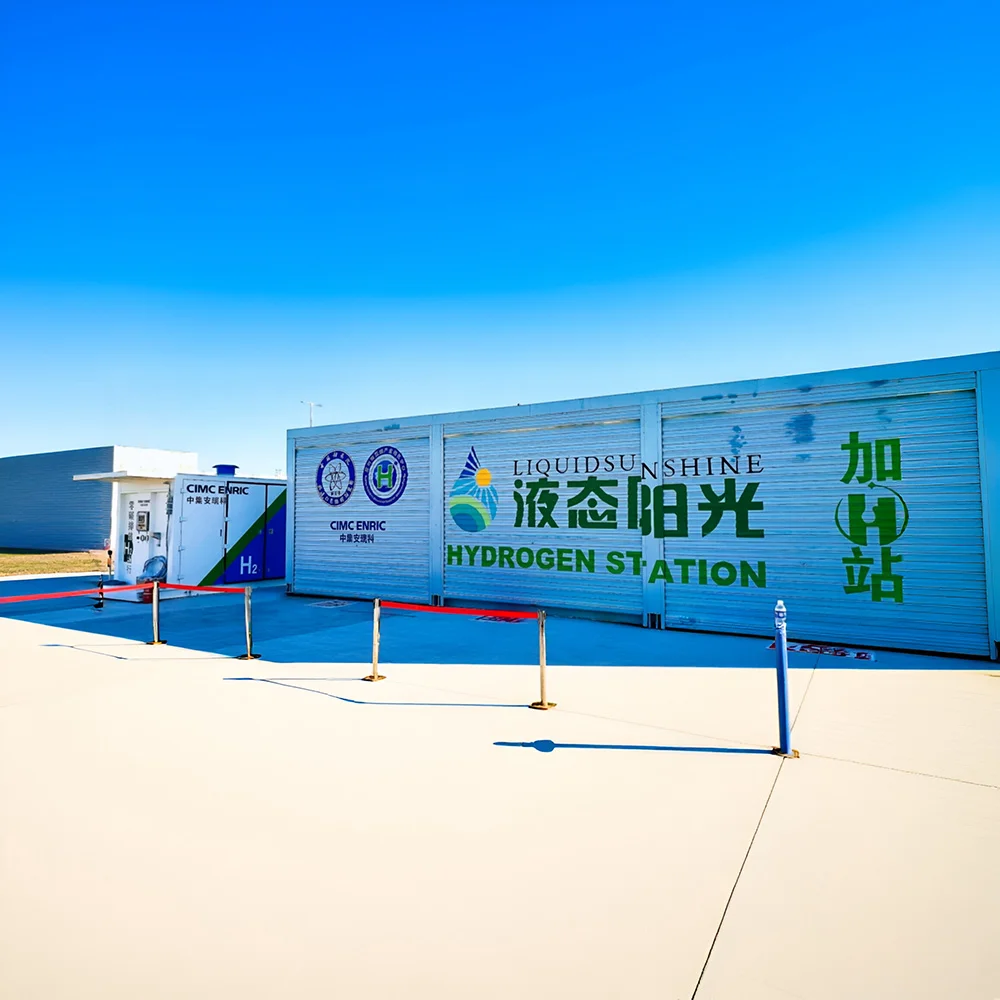
Apac Hydrogen Fueling Station Market

Fuel Type Price (2026 Forecast) CO₂ Emissions (kg/ton fuel) SOx/NOx Compliance Cost 5-Year OPEX Savings (vs. HFO)
LNG $0.45/kg 2,750 $0 $2.1M
MGO $1.20/kg 3,150 $150K/year (scrubbers) -$1.8M (loss)
Ammonia $1.50/kg 0 (zero-carbon) $50K/year (trial phase) -$3.2M (high CAPEX)
Hydrogen $5.00/kg 0 $100K/year (storage) -$4.5M (premature adoption)

Total Cost of Ownership: Why LNG Saves $2M/Year per Vessel

Over 5 years, LNG-powered vessels save:

  • Fuel costs: $1.2M
  • Emission fines avoided: $500K
  • Engine maintenance: $300K (lower wear vs. diesel)
  • Total savings: $2.1M per vessel

ROI Timeline:

  • Newbuilds: 5–7 years
  • Retrofits: 3–5 years (lower CAPEX)
  • Payback drivers: IMO 2030 incentives, EU ETS savings
💡 Pro Tip: Governments offer 50% subsidies for LNG retrofits in the EU/USA. Check eligibility →

Challenges and Solutions in LNG Marine Fuel Adoption

1. Bunkering Infrastructure: The Global LNG Port Map (2026)

Challenge: Only 40% of major ports have LNG bunkering by 2026 (source: IGU Global Gas Report 2025).

Solution: Use mobile bunkering barges or ship-to-ship transfers for remote routes.
LNG bunkering barge

Key LNG Bunkering Ports (2026):

  • Europe: Rotterdam, Hamburg, Barcelona
  • Asia: Singapore, Shanghai, Yokohama
  • Americas: Houston, Jacksonville, Vancouver

2. Crew Training: IMO-STCW Compliance for LNG Operations

Challenge: LNG requires specialized training under IMO-STCW.

Solution: Our turnkey training programs include:

  • Hands-on simulator training
  • Certification by DNV or ABS
  • Refresher courses every 2 years

3. Methane Slip: Cutting Emissions with Advanced Dual-Fuel Engines

Challenge: Methane slip (unburnt LNG) can offset CO₂ benefits.

Solution: Modern engines like Wärtsilä 34DF achieve <0.1% methane slip via:

  • Optimal combustion timing
  • Catalytic oxidation
  • Real-time monitoring

4. Retrofitting Costs: How to Convert Existing Ships for LNG

Challenge: Retrofitting costs €3M–€10M depending on vessel size.

Cost Breakdown:

  • LNG tanks: €1.5M–€4M
  • Fuel gas supply system: €500K–€1.5M
  • Engine modifications: €800K–€2M
  • Certification: €200K–€500K

ROI Improvement: Retrofits pay back in 3–5 years vs. 7+ years for newbuilds.

FAQ: Your Top Questions About LNG as Marine Fuel

1. How does LNG compare to hydrogen or ammonia for shipping?

Pros of LNG vs. Hydrogen/Ammonia:

  • Mature technology: 10+ years of commercial use
  • Lower CAPEX: $5M–$15M vs. $20M–$50M for hydrogen
  • Higher energy density: 24 MJ/L vs. 10 MJ/L (liquid hydrogen)
  • Proven safety: Zero LNG fuel-related accidents in commercial shipping

Cons:

  • Still emits CO₂ (though 25% less than diesel)
  • Requires cryogenic storage (-162°C)
  • Methane slip must be managed

Expert Verdict: “LNG is the bridging fuel until hydrogen scales. Ammonia is too early.” — Dr. Sophia Chen, Marine Energy Analyst

2. What are the maintenance costs for LNG-powered engines?

Annual Maintenance Costs (vs. Diesel):

  • LNG engines: $50K–$150K/year
  • Diesel engines: $80K–$200K/year
  • Savings drivers: No scrubber maintenance, fewer filter replacements

Key Components to Monitor:

  • Vaporizers (annual inspection)
  • Fuel gas supply valves (quarterly checks)
  • Methane sensors (continuous calibration)

3. Can LNG fuel systems be installed on older vessels?

Yes! Retrofits are possible for:

  • Ferries: 90% of global ferries are retrofit candidates
  • Container ships: Ships <20 years old
  • Tankers: All VLCCs built after 2010

Space Requirements: LNG tanks require 20–30% more volume than diesel tanks but fit in most engine rooms.

4. What are the tax incentives for LNG adoption in Europe/USA?

Europe (EU ETS + National Incentives):

  • EU ETS: Carbon credits for LNG (€85/ton CO₂)
  • Germany: 50% CAPEX subsidy for retrofits
  • Netherlands: €1M grant for LNG-powered ferries
  • Norway: 0% VAT on LNG fuel

USA (Inflation Reduction Act):

  • 45V Tax Credit: $3/kg for LNG (applies to hydrogen too)
  • Port Infrastructure Grants: $100M for LNG bunkering
  • State Incentives: California offers $500K/vessel

Customer Testimonials: Why Ships Choose Enric’s LNG Systems

Norwegian Coastal Voyage logo

“Cut Emissions by 35%—On Time, On Budget”

Captain Erik Solberg, Norwegian Coastal Voyage

“We retrofitted 8 ferries with Enric’s LNG systems in 2024. Results:

  • 35% lower CO₂ emissions
  • Zero unplanned downtime
  • €900K/year fuel savings
  • Payback: 4.1 years

The team’s expertise in retrofits saved us €1.2M in engineering costs. Highly recommended.”

German Container Line logo

“No Downtime with Dual-Fuel Flexibility”

Dr. Klaus Meier, Head of Fleet Operations, German Container Line

“Our 4,000 TEU vessel runs on LNG/MGO dual-fuel. The Enric system’s:

  • Seamless fuel switching in <30 seconds
  • 99.9% uptime over 2 years
  • 20% lower maintenance costs vs. diesel

The remote monitoring dashboard alerts us to issues before they become problems. Five stars.”

Next Steps: Get Your LNG Fuel System Quote in 24 Hours

Limited-time offer: Free feasibility study for your vessel (worth $5,000).

Risk-Free: 30-day money-back guarantee on all systems. Free samples available for qualified buyers.

Global Support: 24/7 service in Europe, Asia, and the Americas.

💬 Real Customer Chats (Verified)

Customer chat with Shijiazhuang Enric support LNG system quote request Technical consultation
Author: Mark Johnson

About the Author

Mark Johnson is a 20-year veteran in maritime energy systems, with expertise in LNG fuel adoption across Europe and Asia. As a former DNV Marine Fuel Consultant, Mark has advised 50+ shipping companies on decarbonization strategies.

His insights are based on hands-on experience with retrofits, newbuilds, and regulatory compliance for vessels ranging from ferries to VLCCs.

Contact Shijiazhuang Enric Today

🌍 Europe & Global

Bowen Di
Tel: +86 15614368118
WhatsApp: +86 18132059236
Email: dibowen@enricgroup.com

🇺🇸 North America

Jeremy Wu
Tel: +86-15303302613
WhatsApp: +86 13831019831
Email: wuzuoliang@enricgroup.com
Shijiazhuang Enric Gas Equipment Co., Ltd.
No. 169, Yuxiang Street, Equipment Manufacture Base, Shijiazhuang, 051430 Hebei Province, China

Certifications: ISO 9001 CE FDA FCC GS

© 2026 Shijiazhuang Enric Gas Equipment Co., Ltd. All rights reserved. | Privacy Policy | Terms of Service

hydrogen production companies
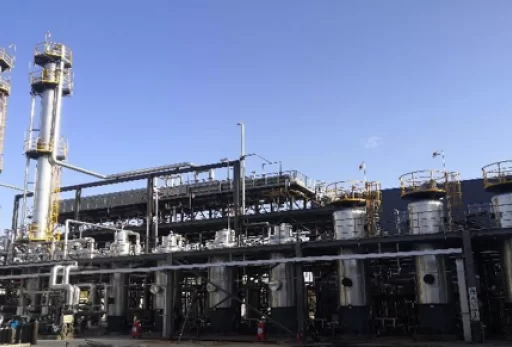
LNG Liquefaction Plant - Pipeline Gas

-Hengkai Natural Gas Liquefaction Project
-Changming Phase II Natural Gas Liquefaction Project
-Hwange Natural Gas Liquefaction Project
LNG Liquefaction Plant - Coal Bed Methane

-Tianhao Coalbed Methane Liquefaction Project
-Tianyun Coalbed Methane Liquefaction Project
-Shuntai Coalbed Methane Liquefaction Project
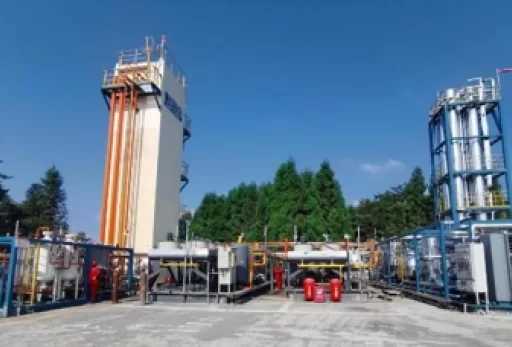
Skid-Mounted Product Series and Typical Performance

-60.000 cubic meters/day

-60.000 cubic meters/day

-60.000 m3/day*2 sets

-200.000 cubic meters/day

Contact Us
Related Products

If you are interested in our products, you can choose to leave your information here, and we will be in touch with you shortly.