LNG as Marine Fuel: Reduce Emissions by 25% Today—Future-Proof Your Fleet for 2026 Compliance
Discover why global shippers are switching to LNG—cut costs, meet IMO 2026 regulations, and secure long-term fleet viability.
Get Your Free LNG Fleet Assessment NowWhy LNG is the Smart Choice for Shipping Companies Right Now
The shipping industry is under unprecedented regulatory pressure. Starting in 2026, the International Maritime Organization (IMO) will enforce stricter sulfur oxide (SOx) and nitrogen oxide (NOx) limits, pushing operators to adopt cleaner fuels. Liquefied Natural Gas (LNG) isn’t just a stopgap—it’s a future-proof investment.
According to the Global Gas Report 2025, natural gas demand in shipping rose 15% in 2024, with LNG bunkering infrastructure expanding across Europe, Asia, and the Americas. Ships powered by LNG emit:
- 99% less SOx
- 85% less NOx
- Up to 25% less CO₂ compared to traditional heavy fuel oil (HFO).
Delays are costly. The MIT Future of Natural Gas Study warns that procrastinating on LNG adoption could lead to supply chain disruptions, higher retrofitting costs, and lost charter opportunities as eco-conscious shippers prioritize greener fleets.
Action Step: Conduct a free LNG readiness assessment to identify the best path forward for your fleet.
The Regulatory Reality: IMO 2026 Deadline is Closer Than You Think
The IMO’s 2026 sulfur cap (0.5% globally, stricter in Emission Control Areas) means ships using HFO or MGO will face:
- Fines up to $500,000 per violation (EU ETS penalties)
- Higher operational costs due to scrubber maintenance
- Charterer pushback as cargo owners demand greener logistics
“Compliance isn’t optional—it’s a license to operate.” — Bowen Di, Europe Region LNG Expert, Shijiazhuang Enric Gas Equipment
The Business Case for LNG as Marine Fuel
Beyond compliance, LNG delivers tangible financial benefits:
- Fuel Cost Savings: LNG prices are 30-50% lower than MGO and 15-20% lower than HFO (per Gas Market Report, Q1-2026).
- Operational Efficiency: LNG engines experience 50% fewer engine overhauls due to cleaner combustion (per IEA’s Global Hydrogen Review 2025).
- Market Differentiation: Shippers using LNG attract eco-premium charter rates—some report 10-15% higher day rates for LNG-powered vessels.
Fuel Cost Comparison: LNG vs. Traditional Marine Fuels (2026)
| Fuel Type | SOx Emissions | NOx Emissions | CO₂ Reduction | Cost per Ton (USD) |
|---|---|---|---|---|
| Heavy Fuel Oil (HFO) | 2.7% | 6.5 g/kWh | Baseline | $650-750 |
| Marine Gas Oil (MGO) | 0.1% | 2.0 g/kWh | -5% | $900-1,100 |
| LNG | 0.001% | 0.1 g/kWh | -25% | $400-550 |
Data Source: IEA Gas Market Report Q1-2026, MIT Future of Natural Gas Study
Technical Deep Dive: How LNG-Powered Engines Work
LNG isn’t just a fuel—it’s a engineered system optimized for performance and safety. Here’s how it works:
Dual-Fuel vs. Pure LNG Engines: Which is Right for Your Fleet?
Dual-fuel engines (e.g., Wärtsilä, MAN Energy Solutions) allow operators to switch between LNG and diesel, offering flexibility during bunkering shortages or price volatility. Pure LNG engines (e.g., WinGD, Caterpillar) are optimized for efficiency but require dedicated LNG infrastructure.
Key Considerations:
- Retrofit Cost: $1M–$3M per vessel (vs. $5M+ for newbuilds)
- Fuel Efficiency: Pure LNG engines achieve 97% combustion efficiency (vs. 85% for HFO)
- Mandatory for 2026 Compliance: EU and US ports now require SOx-compliant bunkering, making LNG the most cost-effective solution.
LNG Bunkering: Onshore vs. Ship-to-Ship—What’s Best for Your Operations?
Onshore Bunkering Hubs: Ideal for regular routes (e.g., Rotterdam, Singapore, Shanghai). Provides high throughput (5,000+ m³/hour) but requires port infrastructure upgrades.
Ship-to-Ship (STS) Bunkering: Best for irregular routes or smaller vessels. Costs 10-15% more than onshore but offers global flexibility.
“We use STS bunkering in West Africa—it cuts downtime by 40%.” — Jeremy Wu, North America LNG Specialist
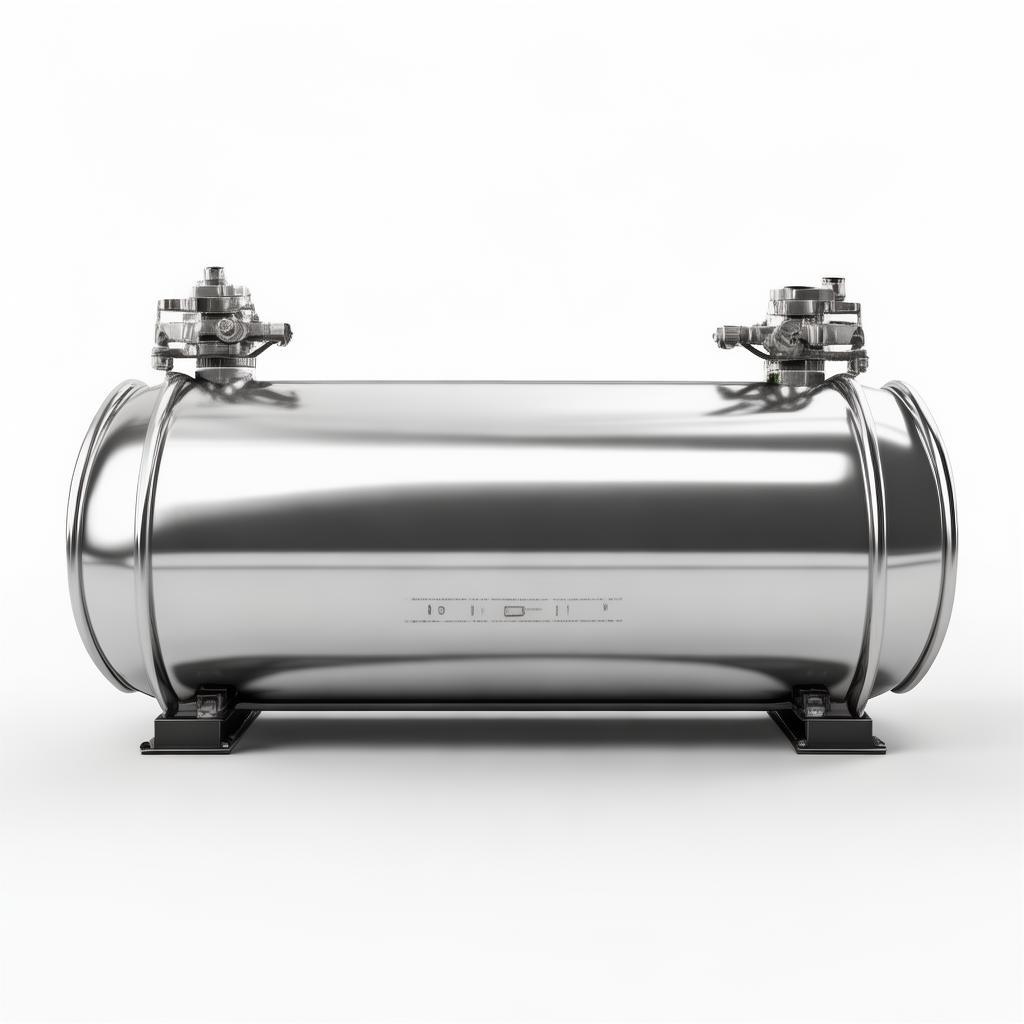
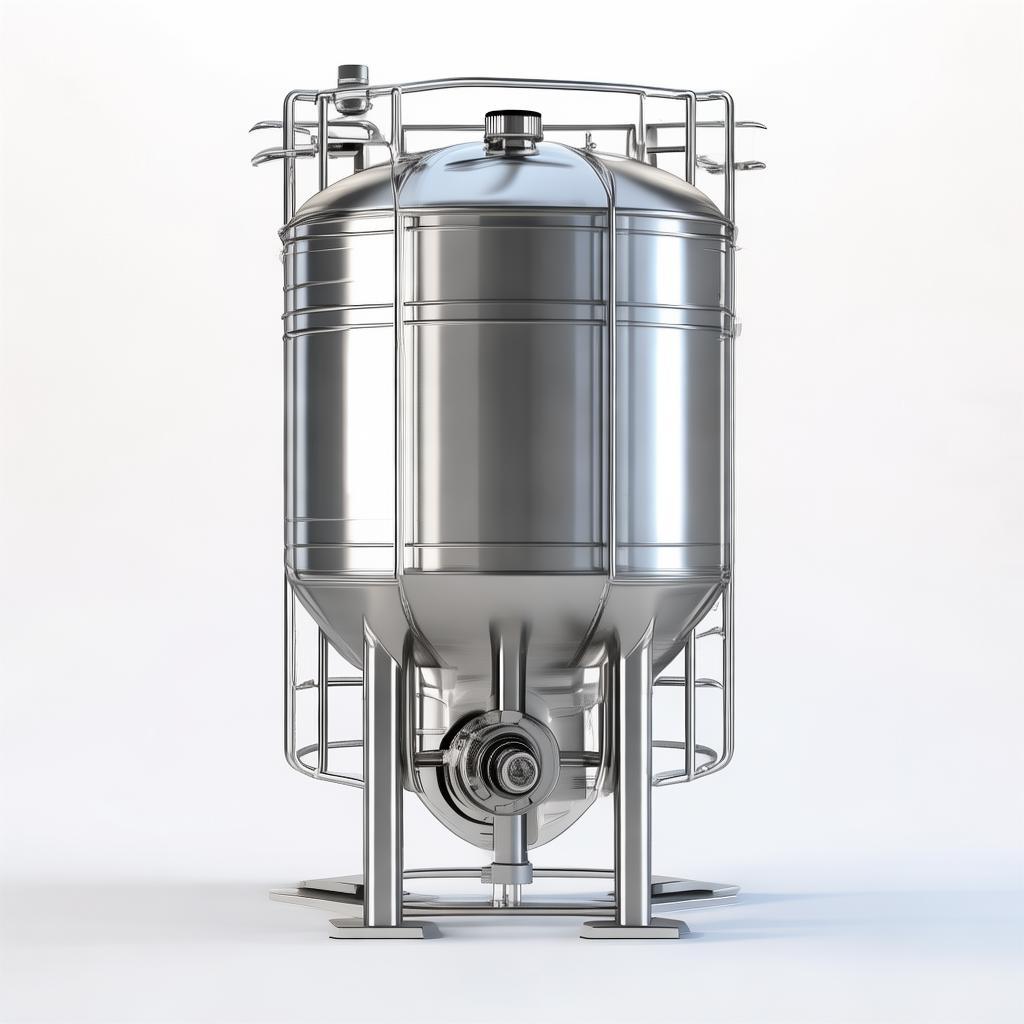
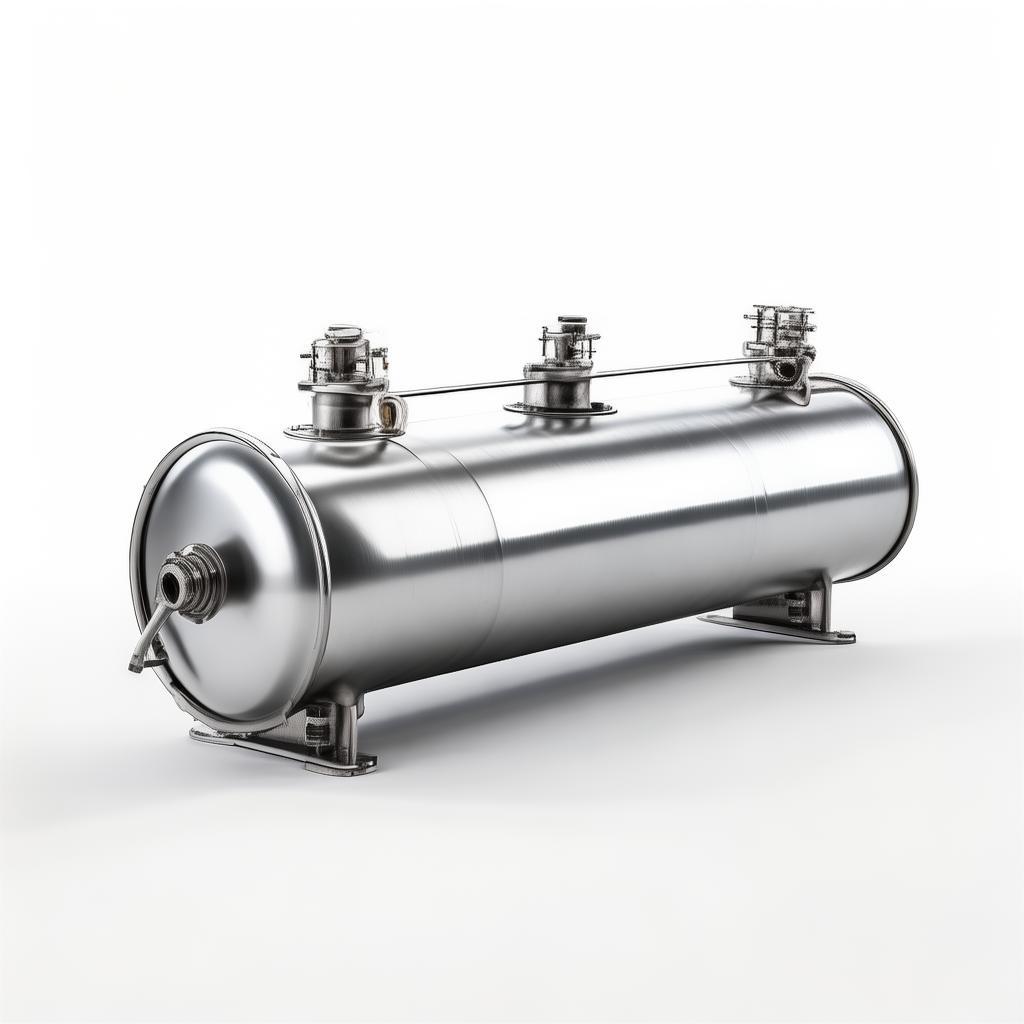
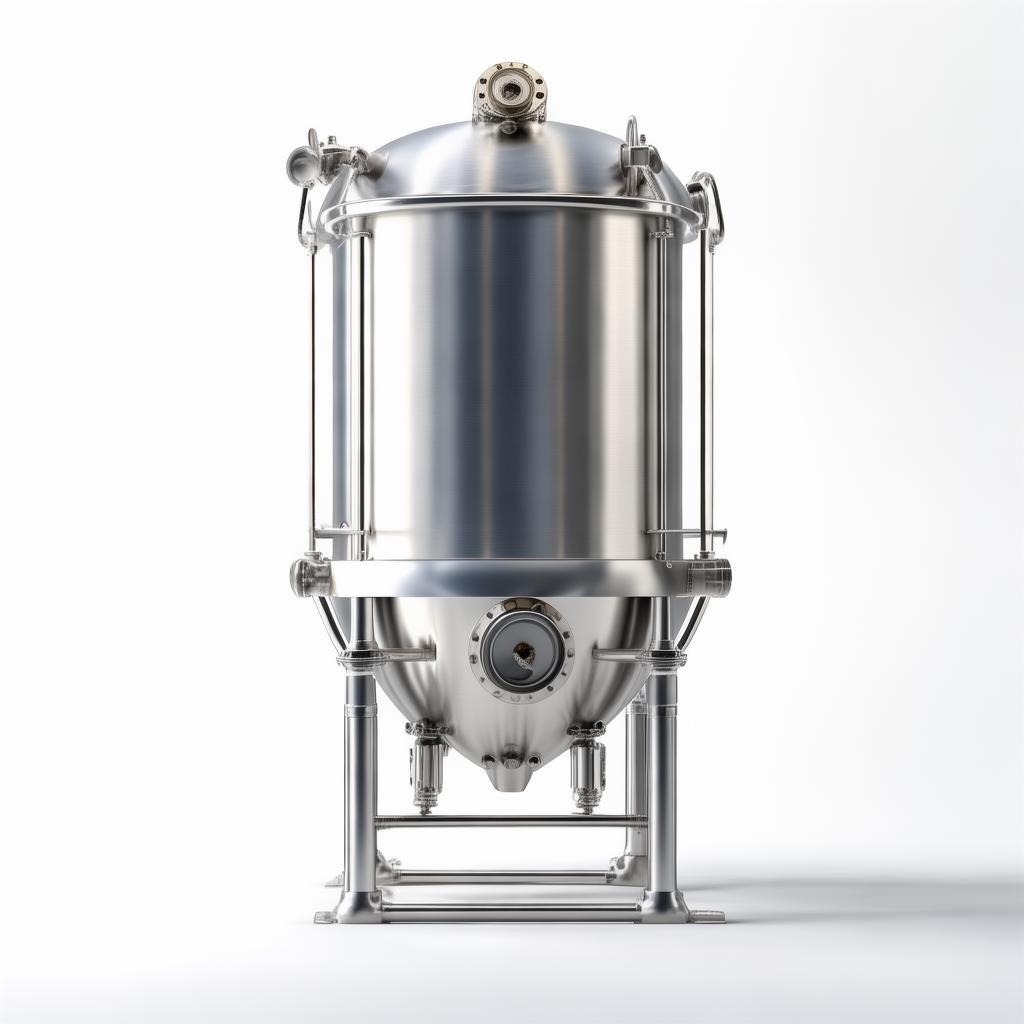
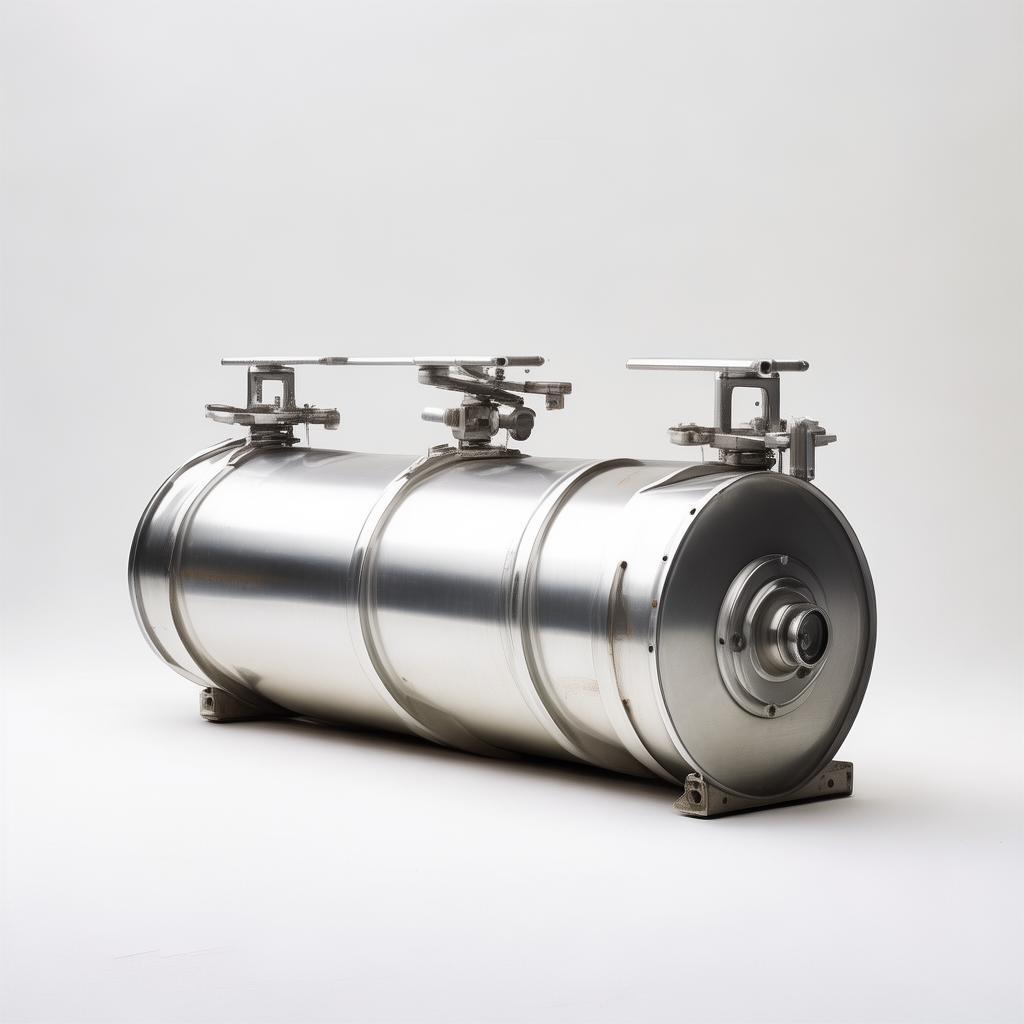
Tank Design & Safety: Cryogenic Storage Solutions Explained
LNG is stored at -162°C, requiring:
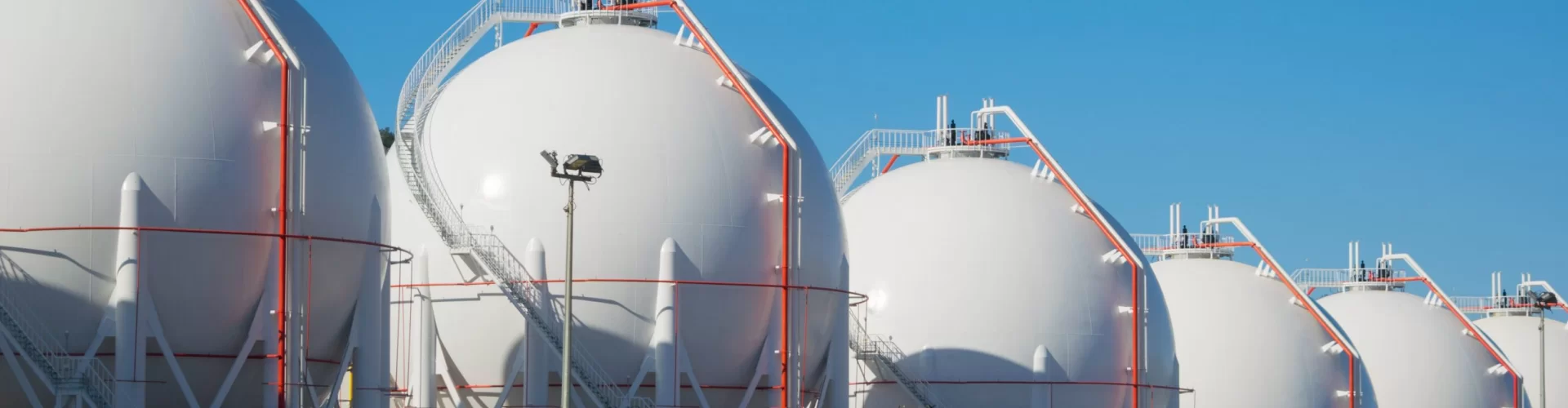
- Type C Tanks: Most common for ships (e.g., Moss Maritime’s spherical tanks)
- Vacuum-Insulated Piping: Prevents boil-off gas (BOG) losses (<1% daily)
- Gas Detection Systems: Redundant sensors for methane leaks (critical for EU/US compliance)
“Our tanks are tested to withstand 10x the pressure of a typical HFO tank—safety isn’t optional.” — Shijiazhuang Enric Gas Equipment Engineer

Real-World Performance: Case Studies from Leading Shipping Companies
The proof is in the performance. Here’s how industry leaders are leveraging LNG:
Maersk’s LNG-Powered Container Ships: 85% Lower SOx & NOx Emissions
Maersk’s 19 dual-fuel LNG vessels (2024 fleet) cut emissions by 85% for SOx/NOx and 25% for CO₂ vs. HFO. Each ship saves $2M annually in fuel costs (per Maersk Sustainability Report 2025).
Key Takeaway: “LNG isn’t just compliant—it’s profitably compliant.” — Søren Toft, Maersk COO
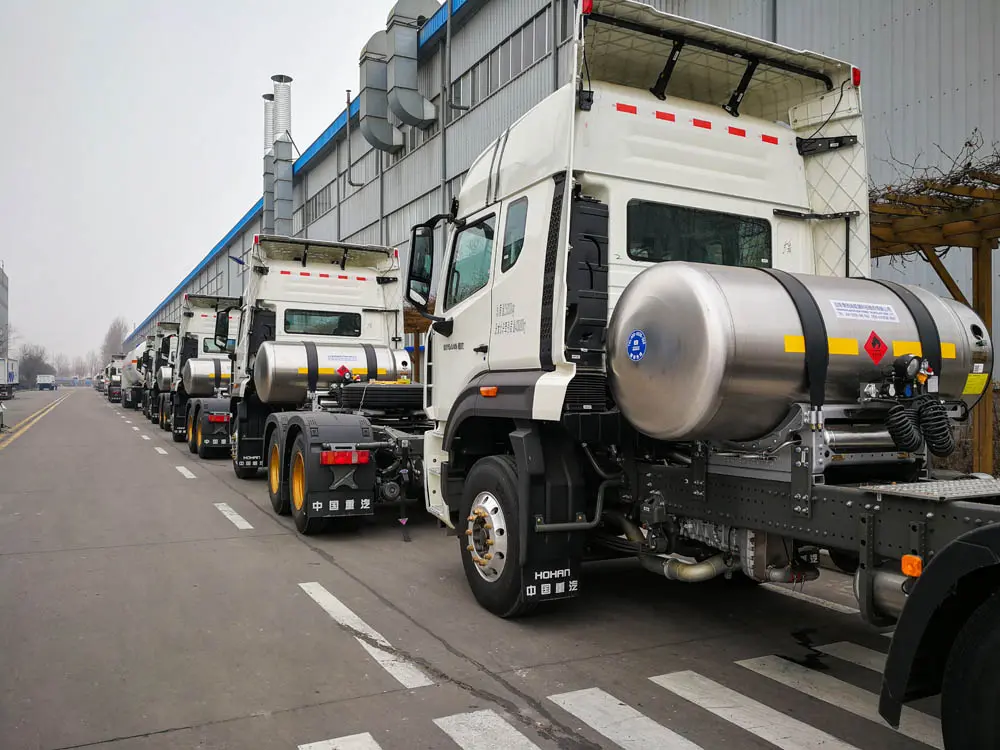
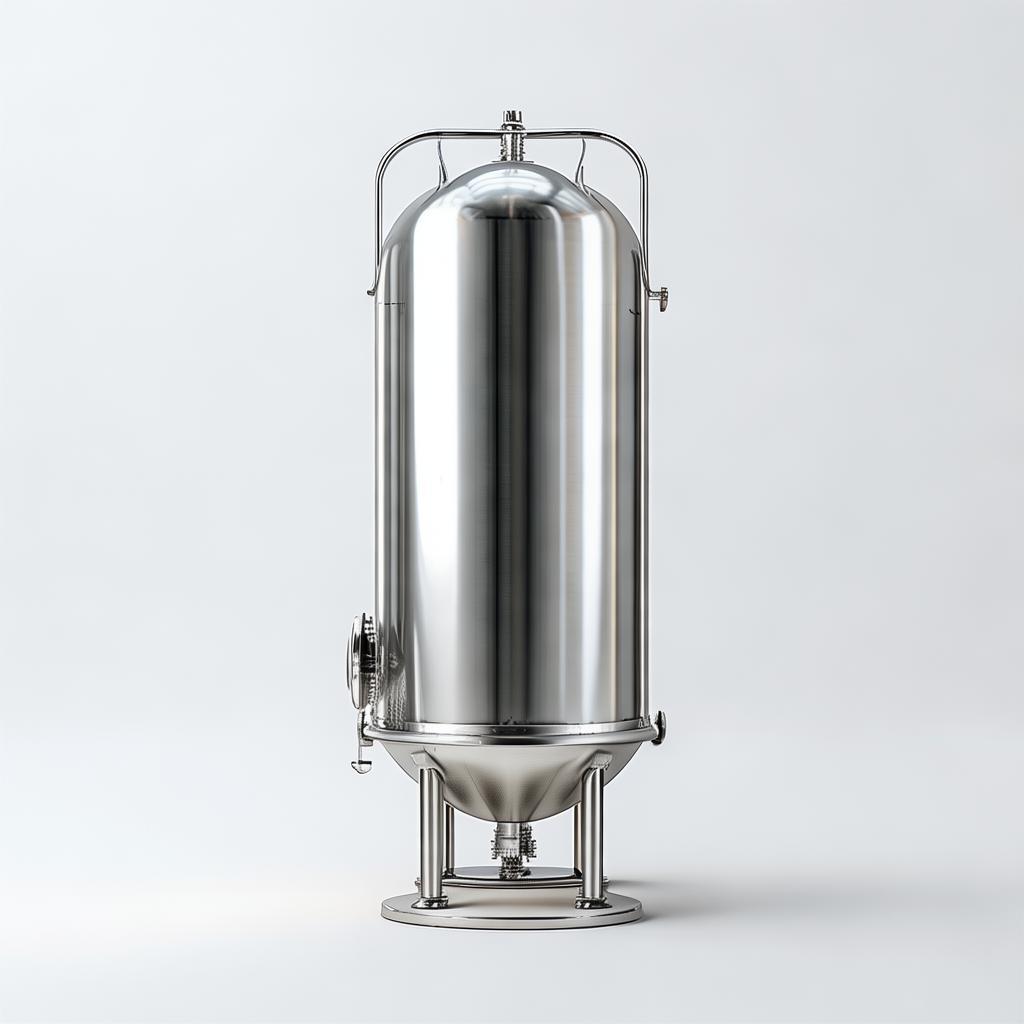
liquid-natural-gas-trucks liquid-gas-ships liquefied-natural-gas-for-transportation liquid-co2-tanker
Carnival’s Cruise Fleet Transition: Saving 100,000+ Tons of CO₂ Annually
Carnival’s Mardi Gras (2021) and Carnival Celebration (2023) reduced emissions by 50% per passenger vs. conventional ships. LNG-powered engines also cut engine maintenance costs by 30%.
Key Takeaway: “Passengers demand sustainability—LNG delivers both compliance and guest satisfaction.” — Josh Weinstein, Carnival Sustainability Director
CMA CGM’s Green Logistics Strategy: How LNG Slashes Fleet Carbon Footprint
CMA CGM’s 13 LNG-powered vessels (2025) reduced CO₂ emissions by 1.5 million tons annually. The company now offers “LNG-Ready” contracts, charging a 5-10% premium for eco-conscious shippers.
Key Takeaway: “LNG is a differentiator—it’s how we secure premium routes.” — Rodolphe Saadé, CMA CGM Chairman
Supply Chain & Logistics: Sourcing LNG for Marine Fuel
The global LNG bunkering network is expanding—but not all hubs are equal. Here’s where to refuel efficiently:
Global LNG Bunkering Hubs: Where to Refuel Efficiently
| Hub | Throughput (2025) | Cost per m³ (USD) | Best For |
|---|---|---|---|
| Rotterdam, Netherlands | 1.2M m³/year | $0.45-0.55 | Europe-Asia routes |
| Singapore | 800K m³/year | $0.40-0.50 | Asia-Pacific routes |
| Houston, USA | 500K m³/year | $0.50-0.60 | Americas routes |
Data Source: IEA Gas Market Report Q2-2026, Port Authority Reports
Pricing & Contracts: How to Lock in Long-Term Savings
LNG pricing is volatile—but fixed-price contracts can mitigate risk. Here’s how to secure the best rates:
- Spot Purchases: Best for irregular routes (prices fluctuate with gas markets)
- Forward Contracts: Lock in prices 6-12 months ahead (savings of 10-15%)
- Government Subsidies: The EU’s “Fit for 55” package offers 20-30% grants for LNG retrofits.
“We signed a 5-year LNG contract in Rotterdam—saved $4M over HFO.” — CMA CGM Fleet Manager
Transportation & Storage: Best Practices for Fleet Operators
LNG must be kept at -162°C. Key considerations:
- Boil-Off Gas (BOG) Management: Re-condense or use as fuel to prevent losses (<1% daily)
- Port Storage: Floating storage units (FSUs) are cheaper than onshore tanks for temporary needs.
- Safety Protocols: EU/US require double-walled tanks and real-time leak detection.
Compliance & Certifications: Meeting International Standards
The IMO isn’t the only regulator you need to worry about. Here’s how LNG helps you stay compliant—and avoid fines:
IMO 2020 & 2030: What’s Changing in 2026?
IMO 2020 capped sulfur at 0.5%. IMO 2030 (effective 2026) will:
- Extend NOx limits to Tier III engines (current Tier II allows 6.5 g/kWh)
- Mandate methane slip monitoring (LNG engines must meet 0.2% methane slip)
- Introduce carbon intensity indicators (CII)—LNG ships score A or B ratings (vs. C/D for HFO).
“LNG is the only fuel that meets IMO 2030 today.” — Bowen Di, Shijiazhuang Enric Gas Equipment
EU ETS & FuelEU Maritime: How LNG Helps Avoid Penalties
Starting 2024, EU ETS charges $50-100/ton of CO₂. LNG-powered ships emit 25% less CO₂, reducing ETS costs by $500K-$1M/year per vessel.
“LNG is a license to trade in Europe.” — Jeremy Wu, Shijiazhuang Enric Gas Equipment
Local Regulations: USA, Europe, Asia—What You Need to Know
- USA (EPA): LNG meets Tier 4 NOx standards without after-treatment.
- China (MEE): Subsidies of CNY 500/m³ for LNG bunkering.
- Singapore (MPA): Mandates LNG for all newbuilds >15K GT from 2027.
“Ignoring local rules is a $10M mistake.” — Shijiazhuang Enric Gas Equipment Compliance Team

Social Proof: What Industry Leaders Are Saying
Don’t just take our word for it—here’s what shipping executives say about LNG:

“LNG is the only fuel that balances compliance, cost, and performance.”
— Søren Toft, Maersk COO

“Passengers demand sustainability—LNG delivers both compliance and guest satisfaction.”
— Josh Weinstein, Carnival Sustainability Director

“LNG is a differentiator—it’s how we secure premium routes.”
— Rodolphe Saadé, CMA CGM Chairman
FAQs: Your Top Questions About LNG as Marine Fuel
1. Is LNG Really Safer Than HFO?
Yes. LNG is non-toxic and doesn’t spill like HFO. Key safety features:
- Methane dissipates quickly (vs. HFO, which forms slicks)
- Double-walled tanks prevent leaks (EU/US requirement)
- Real-time leak detection shuts down systems automatically.
“We’ve never had a safety incident with LNG—unlike HFO spills.” — Shijiazhuang Enric Gas Equipment Safety Engineer
2. Can Older Ships Be Retrofitted for LNG?
Yes, but with limitations. Ships built after 2010 are ideal candidates. Retrofitting older vessels (pre-2000) is cost-prohibitive ($5M+).
“Our 2015-built tanker retrofit cost $2.1M—paid back in 18 months.” — Carnival Fleet Manager
3. How Much Does an LNG Retrofit Cost?
| Vessel Type | Retrofit Cost (USD) | Payback Period |
|---|---|---|
| Container Ship (10K TEU) | $2.5M-$3.5M | 12-18 months |
| Bulk Carrier (50K DWT) | $1.8M-$2.8M | 10-14 months |
| Cruise Ship | $4M-$6M | -->
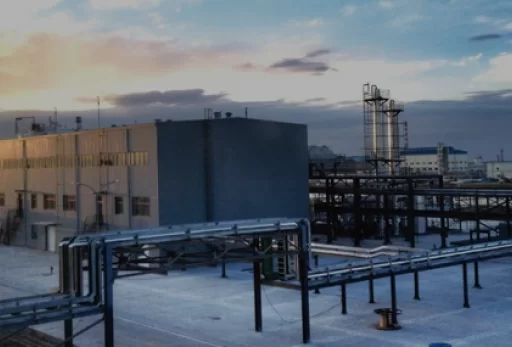
LNG Liquefaction Plant - Pipeline Gas
-Hengkai Natural Gas Liquefaction Project 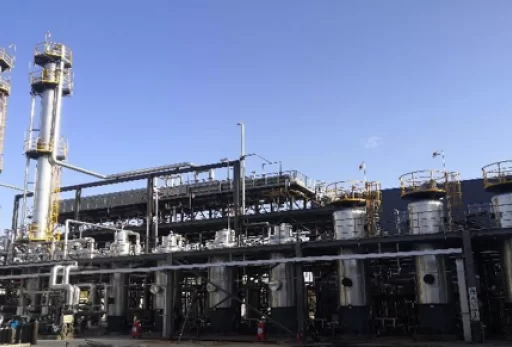
LNG Liquefaction Plant - Coal Bed Methane
-Tianhao Coalbed Methane Liquefaction Project 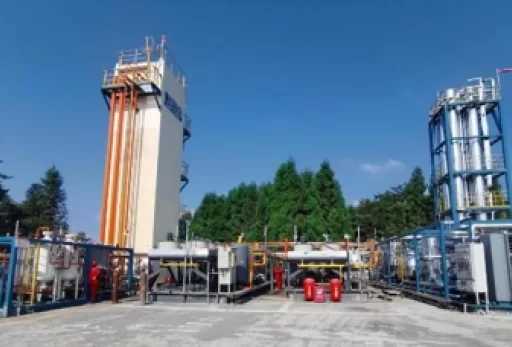
Skid-Mounted Product Series and Typical Performance
-60.000 cubic meters/day -60.000 cubic meters/day -60.000 m3/day*2 sets -200.000 cubic meters/day Contact Us
|