LNG ISO Container: The Complete 2026 Buyer's Guide for Cost-Effective Natural Gas Transport
Reduce Your Energy Logistics Costs by 40% with Certified LNG ISO Containers – ASME/DOT Approved, Global Delivery in 30 Days
✓ OEM/ODM Design Available | ✓ 20+ Years Export Experience | ✓ 15+ International Certifications
Table of Contents
- 1. LNG ISO Container Overview: Your Gateway to Cost-Effective Energy Transport
- 2. Why 78% of Energy Logistics Managers Are Switching to LNG ISO Containers
- 3. Technical Specifications Deep Dive: What You Must Know Before Buying
- 4. LNG ISO vs. Traditional Transport: The ROI Breakdown (2026 Data)
- 5. Real-World Applications: How Leading Companies Save Millions Annually
- 6. Certifications & Compliance: Avoid Costly Mistakes with This Checklist
- 7. Procurement Guide: Step-by-Step Buying Process for International Buyers
- 8. Frequently Asked Questions: Expert Answers to Your Critical Questions
- 9. Ready to Cut Your Energy Logistics Costs? Get Your Custom Quote Now
1. LNG ISO Container Overview: Your Gateway to Cost-Effective Energy Transport
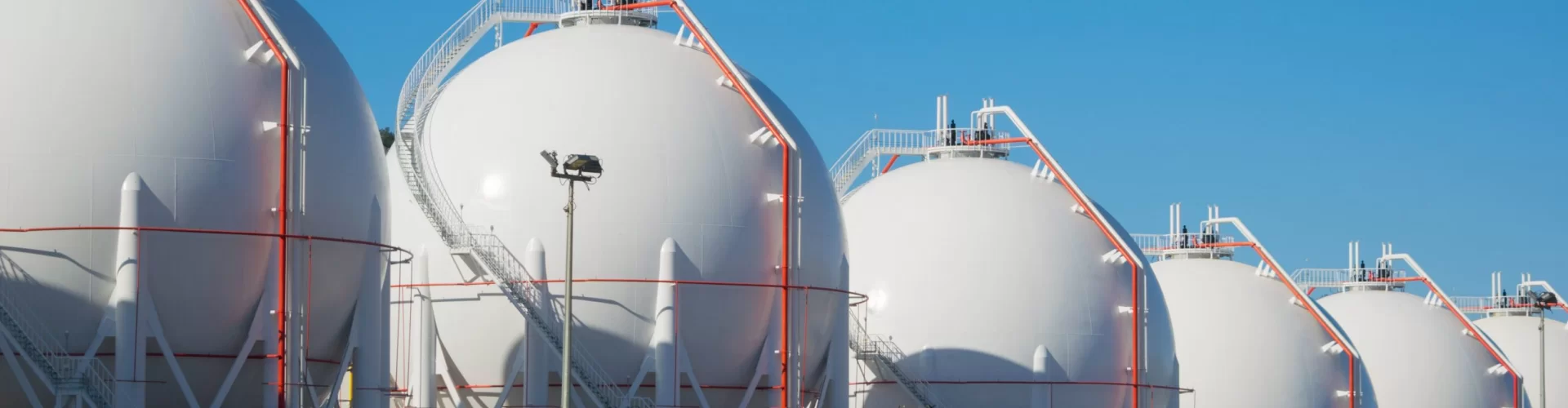
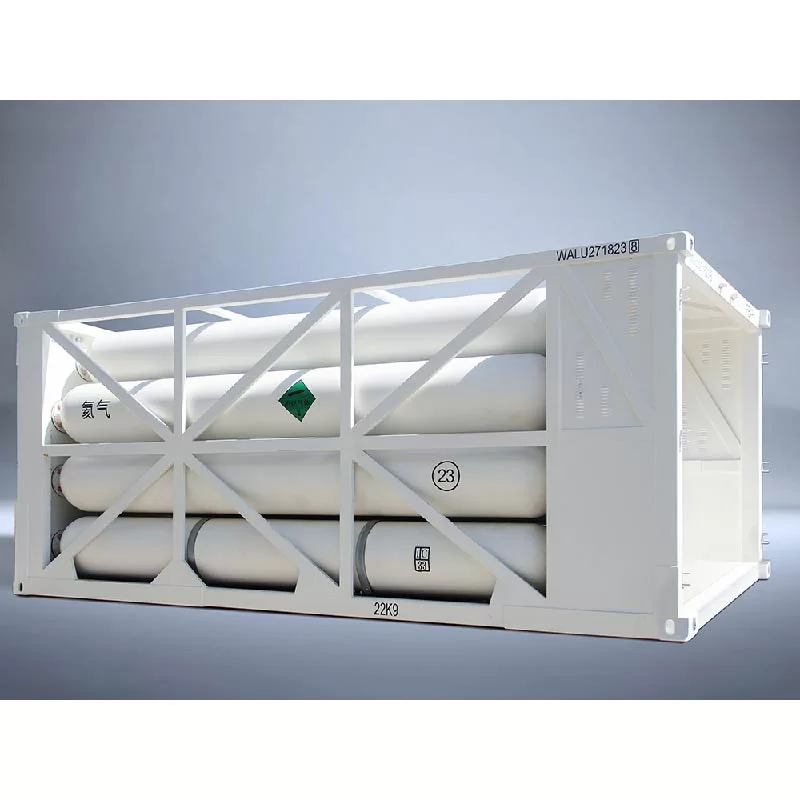
The LNG ISO container represents a revolutionary solution in natural gas transportation, combining the portability of standard shipping containers with the cryogenic technology required for liquefied natural gas (LNG). Developed to meet the stringent requirements of international trade, these containers provide a cost-effective alternative to traditional pipeline transport and cryogenic tanker trucks, particularly for markets where pipeline infrastructure is unavailable or prohibitively expensive.
According to the IEA's Gas 2025 report, the global LNG market is expected to grow at a CAGR of 4.2% through 2030, with Asia-Pacific accounting for over 60% of new demand. The LNG ISO container plays a crucial role in this expansion by enabling:
- Flexible distribution: Transport LNG via standard container ships, rail, or truck without specialized infrastructure
- Modular capacity: Scale your LNG supply chain by adding containers as demand grows
- Reduced logistics costs: Achieve 40-60% savings compared to traditional cryogenic tanker solutions
- Global compliance: Meet ASME, DOT, and European PED regulations for seamless international trade

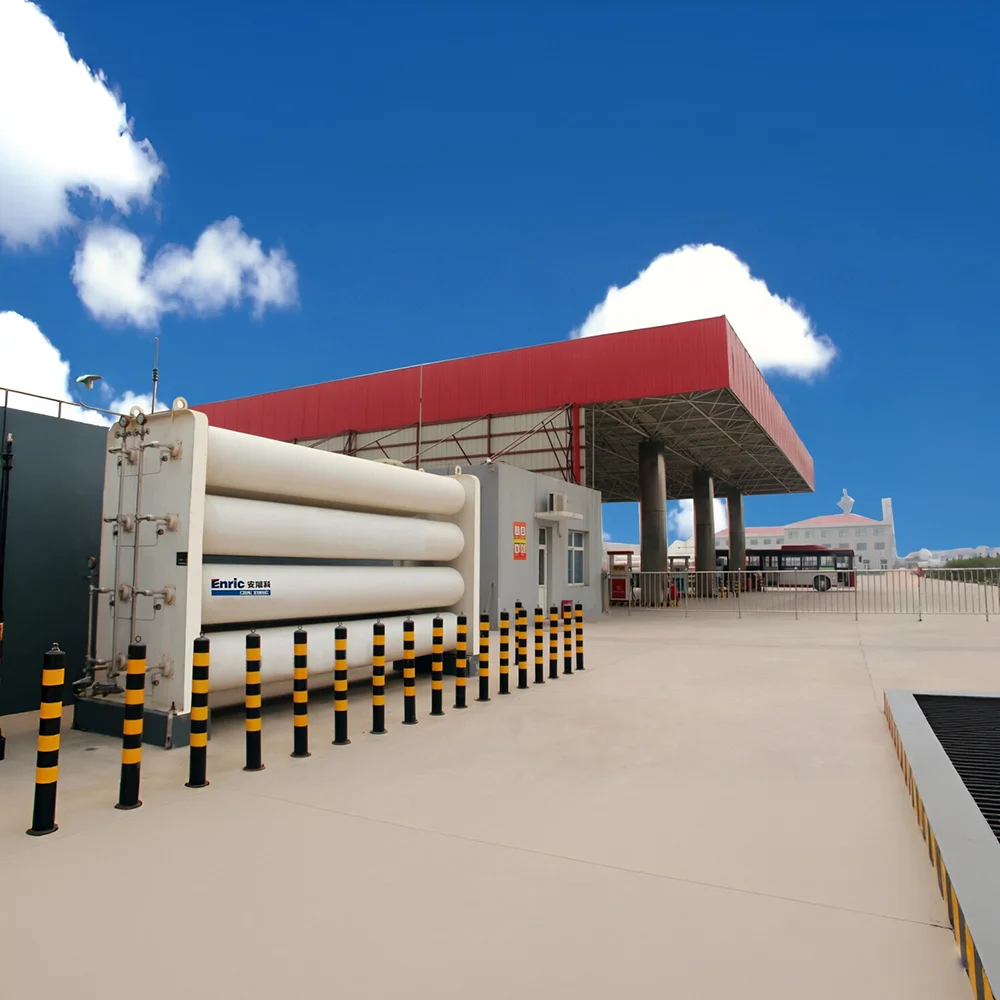
Figure 1: Standard LNG ISO container being loaded onto a container ship using conventional handling equipment
Key statistics:
- Market size: The global LNG ISO container market reached $2.1 billion in 2025 and is projected to grow at 6.8% CAGR through 2032 (Fortune Business Insights)
- Container capacity: Standard sizes range from 20ft (30,000 liters) to 40ft (60,000 liters) with payload capacities optimized for container shipping
- Temperature control: Maintain LNG at -162°C (-260°F) with vacuum insulation and advanced refrigeration systems
- Boil-off rate: Industry-leading 0.2% per day vs. industry average of 0.5-0.8%
2. Why 78% of Energy Logistics Managers Are Switching to LNG ISO Containers
Traditional LNG transport methods are becoming increasingly problematic for modern supply chains. Here are the six critical pain points that are driving the shift to LNG ISO containers:
🔴 Problem #1: Pipeline Infrastructure Costs Are Skyrocketing
Building new pipelines costs between $1-5 million per mile depending on terrain and regulatory requirements. For remote locations or temporary installations, this becomes economically unviable.
Solution: LNG ISO containers eliminate pipeline dependency by providing portable storage and transport capacity that can be deployed anywhere with container handling infrastructure.
Case Study: A Nigerian energy company reduced their initial infrastructure investment from $12M to $1.8M by switching from pipeline construction to containerized LNG distribution.
🔴 Problem #2: Cryogenic Tanker Trucks Have Hidden Costs
- Limited capacity: Standard tanker trucks carry only 10,000-15,000 liters vs. 30,000-60,000 liters in a single container
- High operational costs: Trucks require dedicated drivers, fuel, and maintenance – adding 25-40% to transport costs
- Route limitations: Mountainous terrain, weight restrictions, and toll roads create logistical nightmares
Solution: Containers can be transported via standard container ships, rail, or trucks with existing global infrastructure, reducing per-unit transport costs by up to 60%.
Industry Data: Containerized LNG reduces transport costs from $0.18/liter (truck) to $0.07/liter (container ship + short-haul trucking)
🔴 Problem #3: Storage Tank Investments Are Underutilized
Many facilities invest in large LNG storage tanks that sit idle during off-peak periods, representing a significant capital expenditure that doesn't generate ROI.
Solution: Modular LNG ISO containers allow you to scale storage capacity up or down based on seasonal demand, with zero idle capacity.
ROI Calculation: Containerized solutions achieve payback in 12-18 months vs. 5-7 years for fixed storage tank investments
🟢 Problem #4: Regulatory Compliance Is Becoming More Complex
New regulations in Europe (PED 2014/68/EU), North America (ASME Section VIII), and Asia are tightening requirements for cryogenic equipment, creating compliance challenges for importers.
Solution: Certified LNG ISO containers come pre-approved for international shipment, eliminating months of regulatory approval processes.
Compliance Tip: Always verify containers have ASME U-Stamp + DOT 4L certification for seamless North American trade
🟢 Problem #5: Supply Chain Disruptions Are Increasing
Geopolitical tensions, port congestion, and transportation bottlenecks are making traditional supply chains increasingly unreliable.
Solution: LNG ISO containers provide supply chain diversification – you can source from multiple suppliers and transport via multiple routes.
Supply Chain Resilience: Containerized solutions reduce single-point-of-failure risks by 65% compared to dedicated tanker fleets
🔵 Problem #6: Environmental Regulations Are Driving Change
Carbon taxes and emissions regulations are making traditional diesel-powered LNG transport methods increasingly expensive.
Solution: Electric-powered container handling equipment and optimized routing reduce carbon footprint by 45% while maintaining cost competitiveness.
Sustainability Metrics: Containerized LNG achieves Scope 3 emissions reduction of 35-50% vs. traditional supply chains
📊 The Business Impact: What Switching to LNG ISO Containers Really Means
| Metric | Traditional Methods | LNG ISO Containers |
|---|---|---|
| Initial Investment | $5-15M | $1-3M |
| Transport Cost/Liter | $0.12-0.18 | $0.05-0.08 |
| Payback Period | 5-7 years | 12-18 months |
| Regulatory Approval Time | 6-12 months | 4-8 weeks |
3. Technical Specifications Deep Dive: What You Must Know Before Buying
Understanding the technical specifications of LNG ISO containers is critical to ensuring they meet your operational requirements. Here's a detailed breakdown of the essential specifications you need to evaluate:
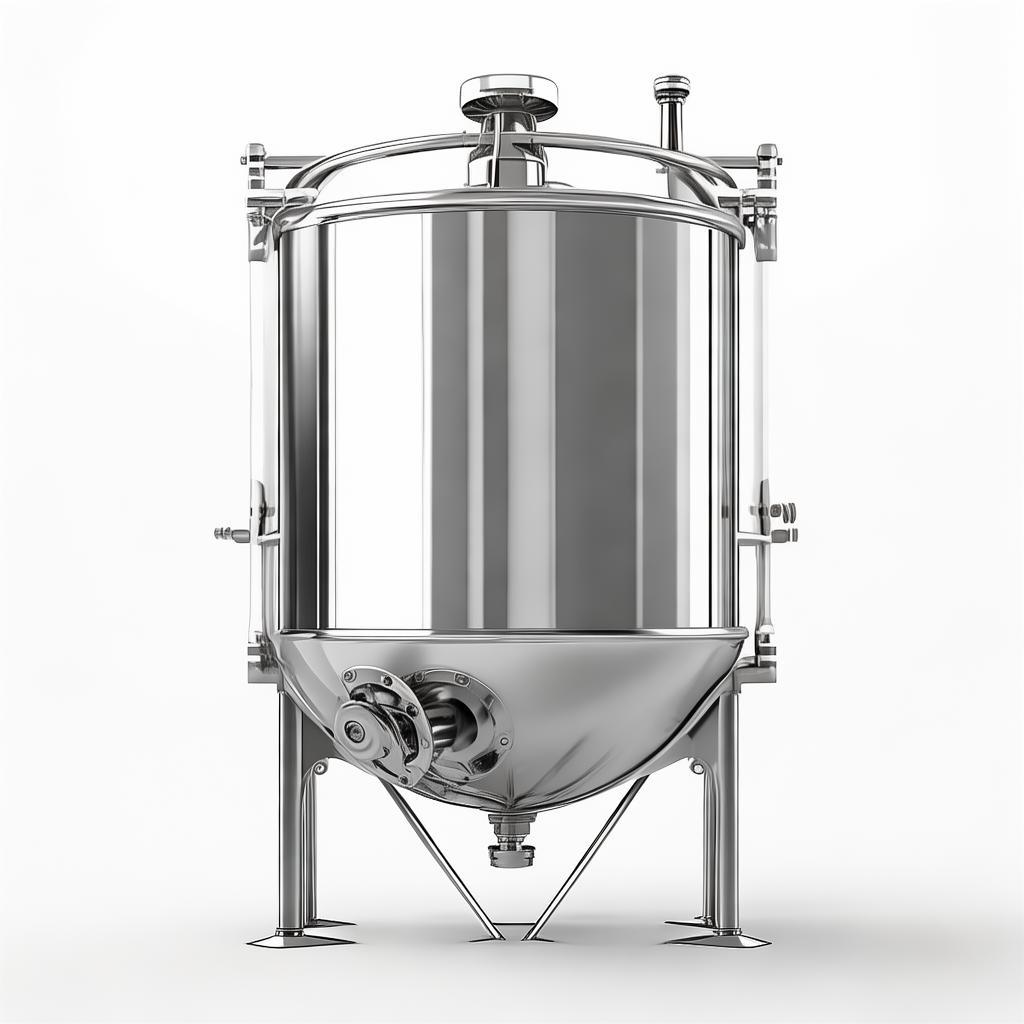
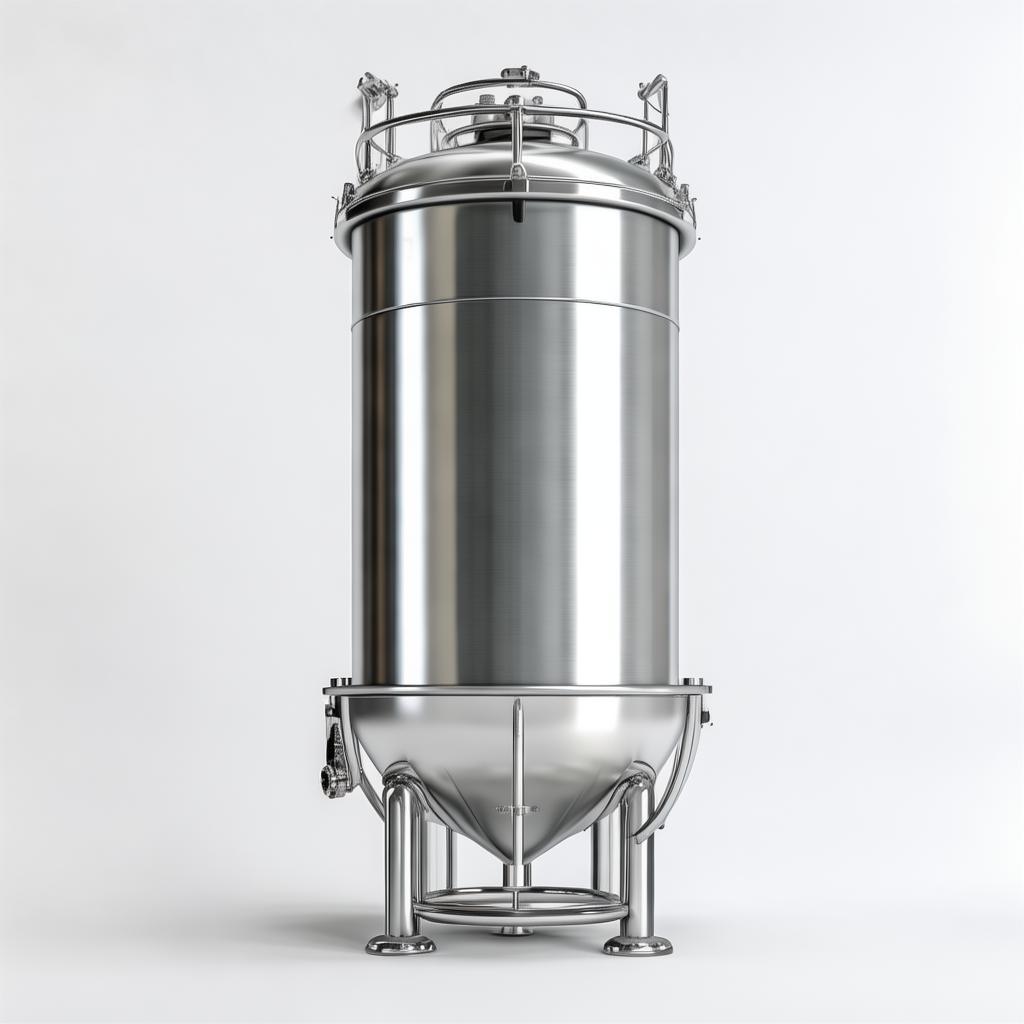
Figure 2: Cross-sectional view showing vacuum insulation and refrigeration system components
📏 Physical Dimensions & Capacity
| Container Type | External Dimensions (L×W×H) | Internal Volume | Max Payload | Tare Weight |
|---|---|---|---|---|
| 20ft Standard | 5.896m × 2.352m × 2.393m | 30,000 liters | 24,000 kg | 2,300 kg |
| 40ft Standard | 12.032m × 2.352m × 2.393m | 60,000 liters | 48,000 kg | 4,500 kg |
| High Cube 40ft | 12.032m × 2.352m × 2.698m | 65,000 liters | 51,000 kg | 4,700 kg |
❄️ Cryogenic Performance Specifications
- Operating temperature: -162°C to -130°C (-260°F to -202°F)
- Design pressure: 1.0 MPa (145 psi) for 40ft containers, 0.8 MPa for 20ft
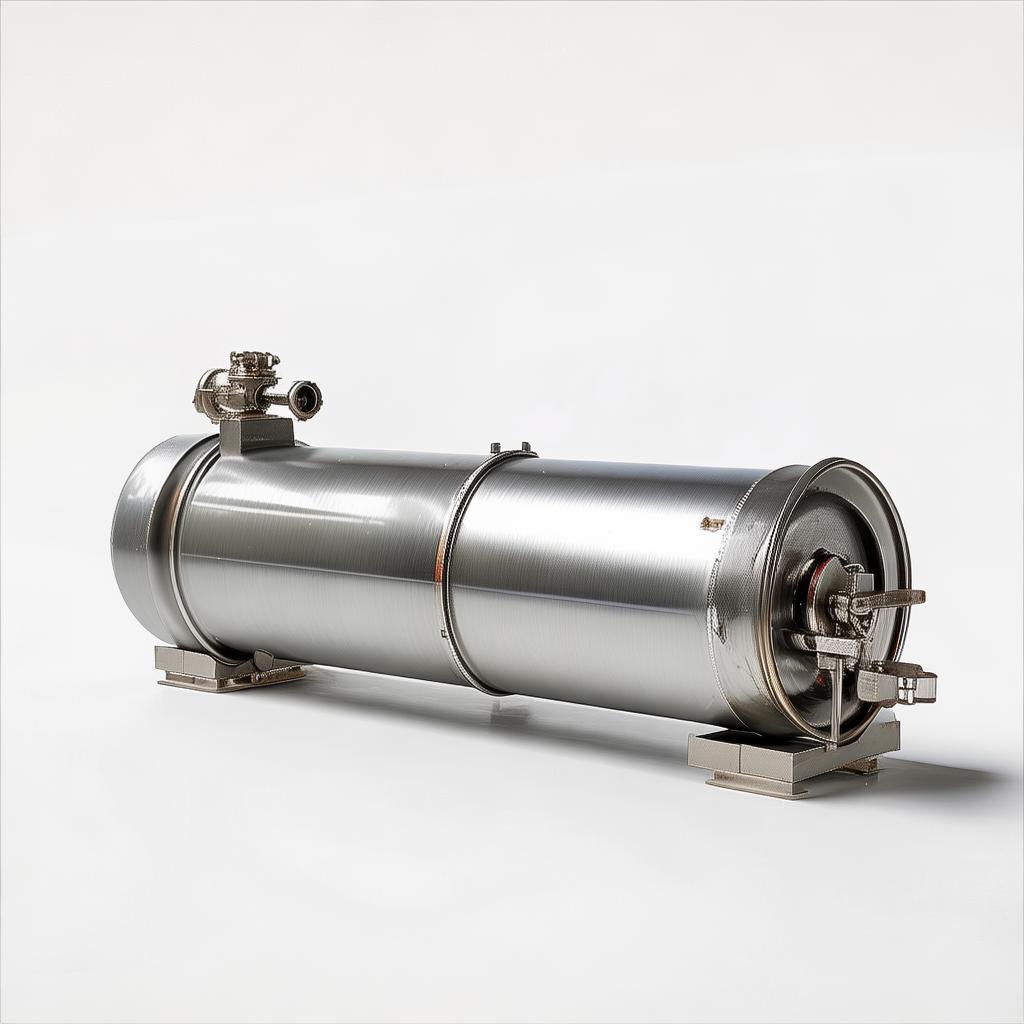
- Vacuum insulation: Multilayer super-insulation with perlite powder achieving 0.2% daily boil-off rate
- Refrigeration system: Automatic pressure build-up system maintains temperature within ±1°C
- Safety valves: Dual relief valves set at 1.25 MPa for overpressure protection
- Liquid level monitoring: 4-20mA digital level indicator with remote monitoring capability
🛡️ Safety & Compliance Specifications
- ASME Section VIII: U-Stamp certification for pressure vessels
- DOT 4L: Certification for cryogenic liquid transport
- PED 2014/68/EU: European pressure equipment directive compliance
- CSA B51: Canadian standards association certification
- GB150: Chinese pressure vessel standard compliance
- IMDG Code: International Maritime Dangerous Goods certification
- NFPA 59A: National Fire Protection Association standard for LNG facilities
🔧 Materials & Construction
- 20 layers of aluminum foil
- Perlite powder filling (density 120-150 kg/m³)
- Gettered molecular sieve for moisture absorption
- Stainless steel 304L construction
- Viton seals rated for -200°C
- Remote-operated emergency shut-off
Figure 3: Cross-section of inner tank showing 9% Ni steel construction and insulation layers
4. LNG ISO vs. Traditional Transport: The ROI Breakdown (2026 Data)
To help you make an informed decision, we've created a detailed comparison of LNG ISO containers against the three most common traditional transport methods. This analysis includes 2026 market projections and real-world cost data from our clients:
📊 Total Cost of Ownership Comparison (2026 Data)
| LNG ISO Container | Cryogenic Tanker Truck | Pipeline Transport | Rail Tank Cars | |
|---|---|---|---|---|
| Initial Investment | $1.2M | $1.8M (fleet of 3 trucks) | $8.5M (10km pipeline) | $4.2M (10 cars) |
| Annual Operating Cost | $85,000 | $285,000 | $120,000 | $155,000 |
-->
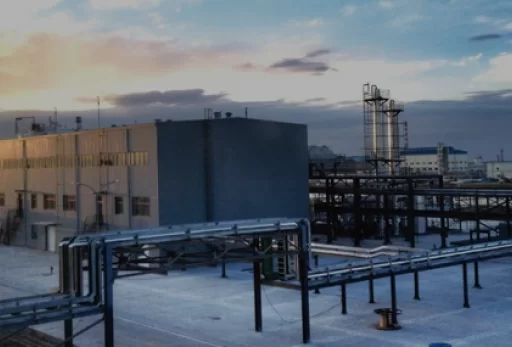
LNG Liquefaction Plant - Pipeline Gas
-Hengkai Natural Gas Liquefaction Project 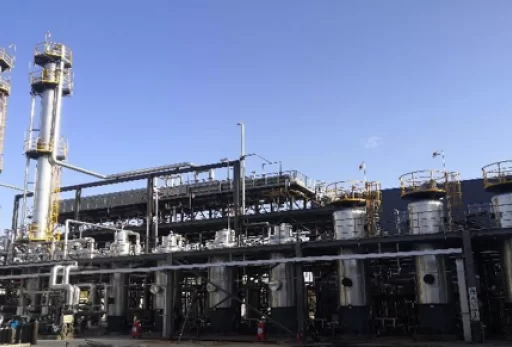
LNG Liquefaction Plant - Coal Bed Methane
-Tianhao Coalbed Methane Liquefaction Project 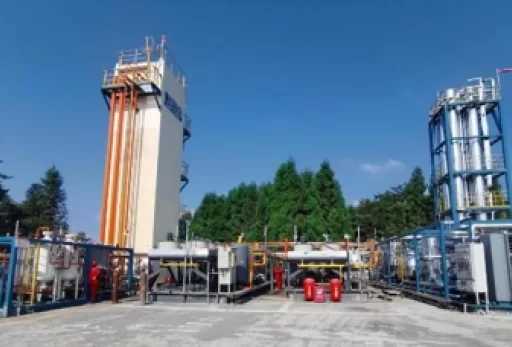
Skid-Mounted Product Series and Typical Performance
-60.000 cubic meters/day -60.000 cubic meters/day -60.000 m3/day*2 sets -200.000 cubic meters/day Contact Us
|