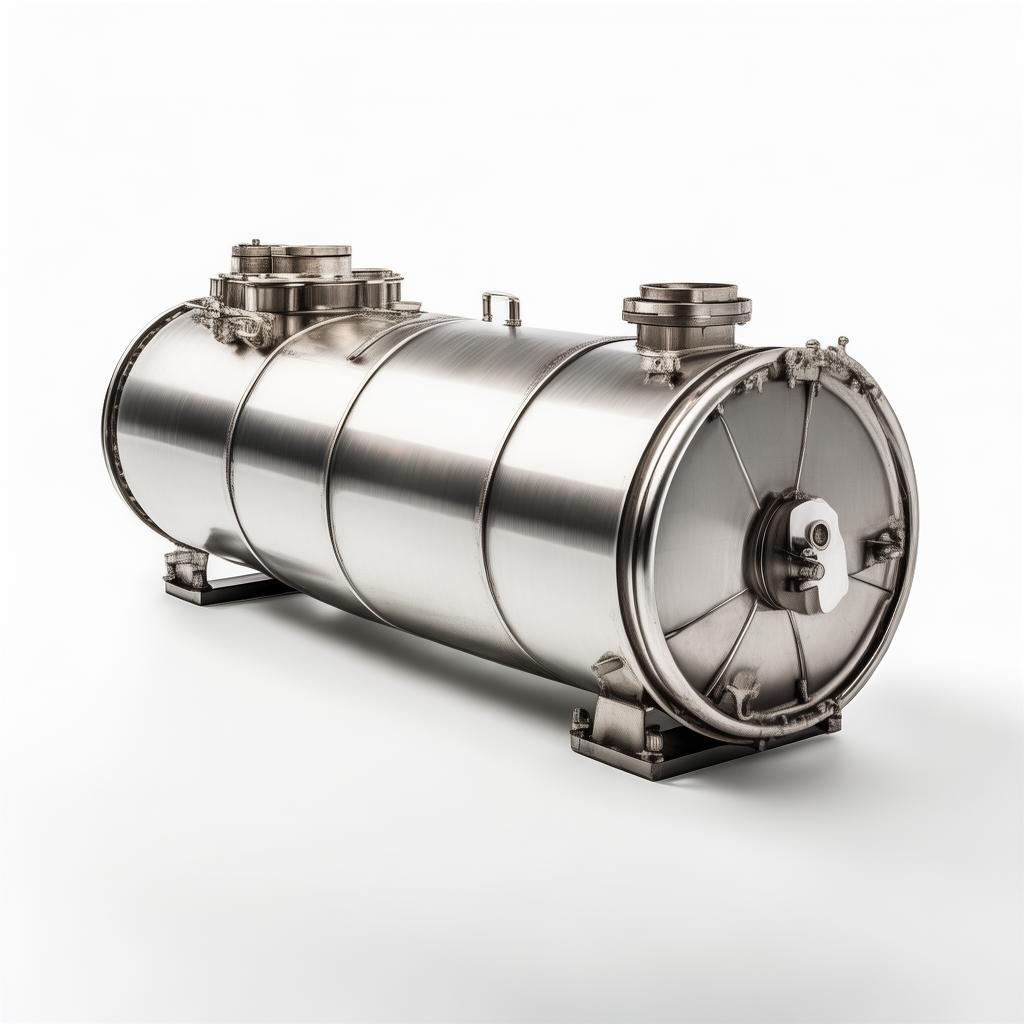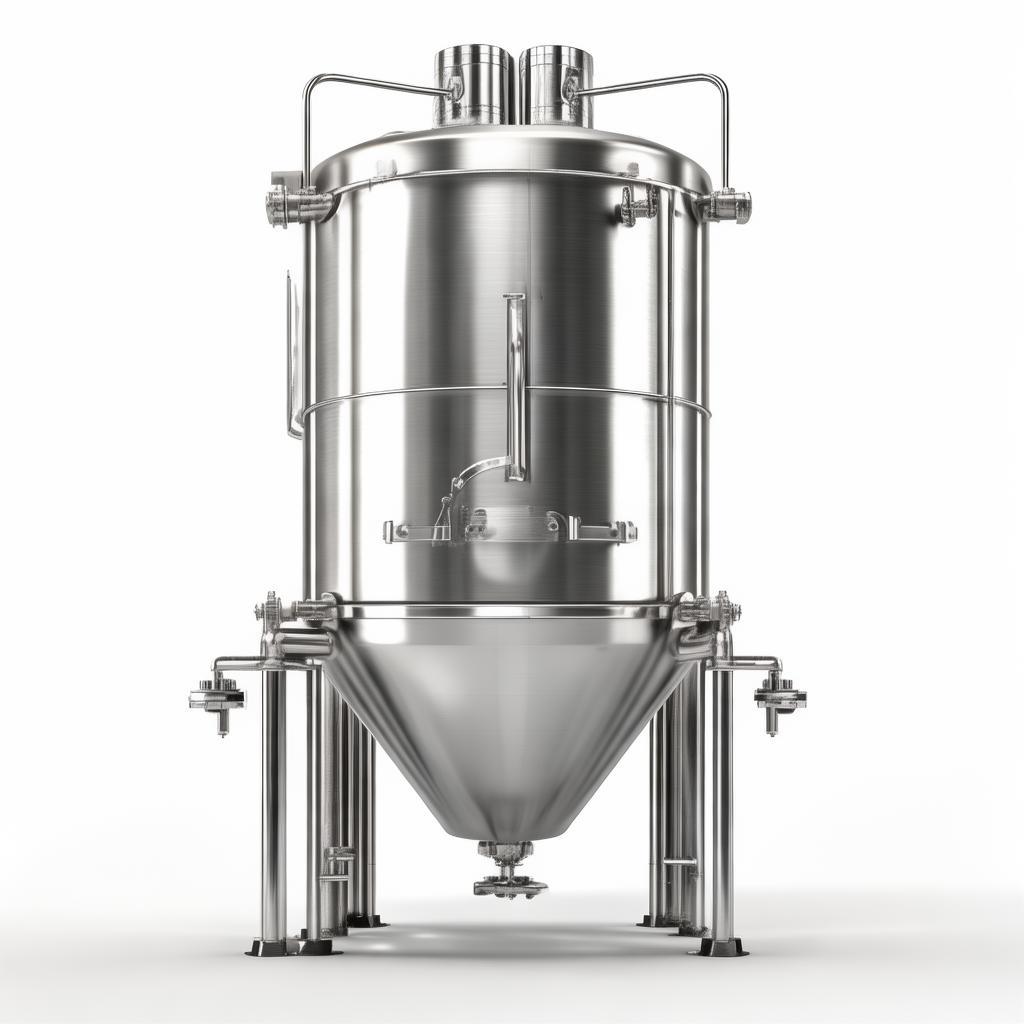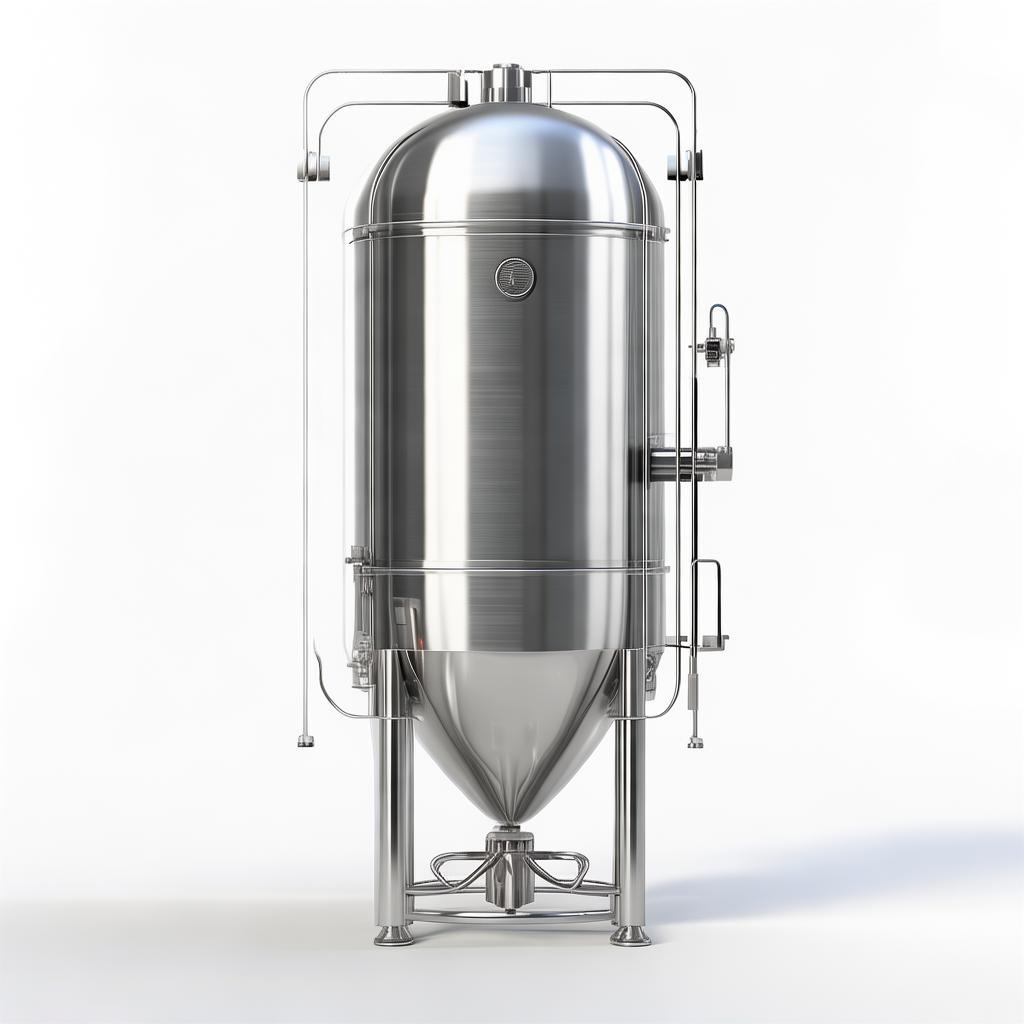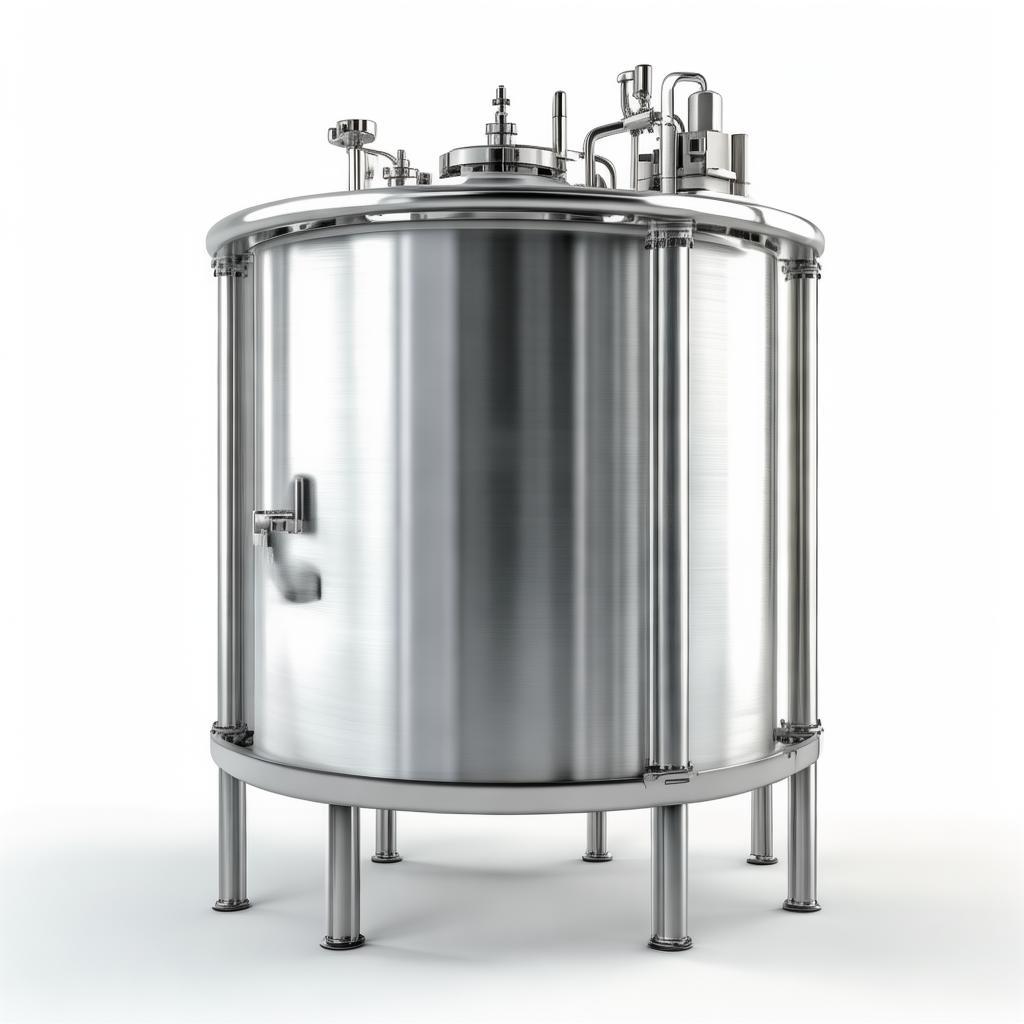
🚀 LNG Storage Tank Types: The Ultimate Guide for Industrial Buyers (2026) – High-Quality, Compliant Tanks from China’s Leading Manufacturer
Reduce downtime, cut costs, and ensure compliance with the right LNG tank for your project. Compare above-ground vs. below-ground, full containment vs. membrane, and portable options. Get free expert consultation today!
📋 Table of Contents
- Why This Guide? – Industry Pain Points & Trends
- LNG Storage Tank Types – Which One Fits Your Project?
- Technical Specifications – Materials, Insulation & Standards
- Real-World Applications – Where Each Tank Excels
- Why Choose Enric Gas Equipment? – 15+ Years of Expertise
- Compliance & Certifications – Avoid Costly Mistakes
- Buying Guide – How to Select the Right Tank
- Customer Success Stories – Proven Results
- FAQs – Your Top Questions Answered
- Get Your Free Consultation – Limited-Time Offer
🔍 Why This Guide? – The 5 Critical Challenges Industrial Buyers Face When Sourcing LNG Storage Tanks
The global LNG market is projected to reach $126.5 billion by 2030 (CAGR 5.1%), driven by demand in power generation, industrial fuel, and maritime transport. Yet, sourcing the right LNG storage tank remains a minefield for corporate buyers. Here’s why:
1️⃣ Compliance Risks & Regulatory Nightmares
68% of LNG tank buyers report delays due to missing certifications (ASME, PED, EN 13445). One misstep in local regulations can cost $500K+ in fines and project halts.
Solution: Work with a manufacturer that holds ASME Section VIII, DOT, CE, and ISO 9001 certifications (see our credentials).
2️⃣ Boil-Off Gas (BOG) Losses – The Silent Profit Killer
Poor insulation in LNG tanks can lead to boil-off losses of 0.3–0.7% per day. For a 50,000 m³ tank, that’s $1.2M+ in lost LNG annually at current prices.
Solution: Enric’s tanks use vacuum + perlite insulation to cut losses to < 0.1%/day.
3️⃣ Supply Chain & Lead Time Disasters
Average lead time for LNG tanks: 12–18 months. Delays from customs, inspections, or supplier failures can derail projects costing $10M+.
Solution: Enric’s modular design + stocked inventory cuts lead times to 6–9 months for standard tanks.
4️⃣ Hidden Costs in "Cheap" Tanks
A $1M "budget" tank might seem attractive until you factor in:
- Higher maintenance (cathodic protection, insulation repairs)
- Lower resale value (poor material quality)
- Insurance premiums (higher risk of leaks/failures)
Solution: Invest in 9% nickel steel + aluminum alloys for 20+ years of service.
5️⃣ Lack of Customization = One-Size-Fits-None
Generic LNG tanks fail to meet unique demands:
- Offshore platforms need corrosion-resistant coatings
- Urban areas require noise-reducing designs
- Cold climates demand anti-freeze insulation
Solution: Enric offers OEM/ODM customization (see our capabilities).
Pro Tip: Always ask suppliers for:
- Third-party inspection reports (TÜV, Lloyd’s Register)
- Warranty terms (10+ years for structural integrity)
- Local distributor support (avoid time zone nightmares)
liquified-natural-gas-lng-tanks-manufacturer liquefied-natural-gas-tank lng-iso-tank-capacity liquid-natural-gas-tanks
📊 Global LNG Market Trends (2024–2030) – Data You Can’t Ignore
The LNG storage tank market is evolving rapidly. Here’s what the data says:
📈 Demand Growth
Global LNG demand is set to grow at 5.9% CAGR (2025–2030), driven by:
- Asia-Pacific: China +20%/year (LNG imports for power & industry)
- Europe: Post-Ukraine war, LNG imports +35% since 2022
- Maritime: IMO 2020 compliance fuels LNG bunkering growth (+15%/year)
🏭 Supply Chain Shifts
China is now the #1 LNG exporter (2024), overtaking Australia/Qatar. Why?
- Cost advantage: Chinese tanks are 20–30% cheaper than European/US suppliers
- Speed: Lead times 30% faster (6–9 months vs. 12+ months)
- Certifications: ASME, PED, EN 13445 – fully compliant for global markets
🔧 Technological Innovations
Next-gen LNG tanks now feature:
- Smart sensors: Real-time monitoring of pressure, temperature, and BOG
- Hybrid insulation: Vacuum + aerogel = 50% less heat loss
- Modular designs: Easier transport/installation (cuts on-site time by 40%)
🏗️ LNG Storage Tank Types Explained – Which One Fits Your Project?
Choosing the right LNG tank isn’t just about capacity—it’s about safety, compliance, cost, and application. Below, we break down the 5 most common types, their pros/cons, and ideal use cases.
🔺 Above-Ground LNG Storage Tanks
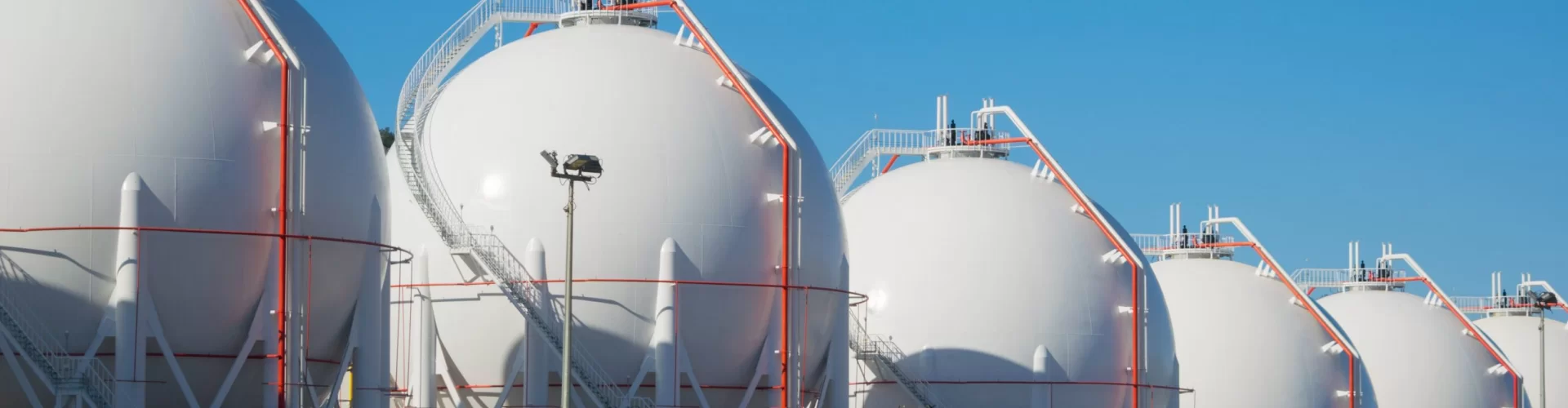
The most common type, used in power plants, industrial sites, and LNG fueling stations. These tanks are easy to install, inspect, and maintain, but require careful placement for safety.
✅ Pros:
- Lower installation cost (vs. below-ground)
- Easier access for maintenance/inspections
- Modular designs available (e.g., 1,000 m³ to 200,000 m³)
- Compliance-friendly: ASME, EN 13445, PED
❌ Cons:
- Higher BOG losses (unless high-end insulation is used)
- Visual impact (not ideal for urban areas)
- Vulnerable to extreme weather (high winds, earthquakes)

🔻 Below-Ground LNG Storage Tanks
Ideal for urban areas, chemical plants, and high-risk zones, these tanks are buried for maximum safety and noise reduction. However, they’re 2–3x more expensive to install.
✅ Pros:
- Zero visual impact (critical for cities)
- Better insulation: Reduced BOG losses by 30%
- Earthquake/blast resistant
- Lower insurance premiums (perceived as safer)
❌ Cons:
- High CAPEX: $2.5M–$5M for a 10,000 m³ tank
- Longer lead times (6–12 months)
- Harder to inspect/repair
- Regulatory hurdles: Requires geotechnical studies
🛡️ Full Containment vs. Membrane Tanks – ROI Comparison
The two most popular above-ground tank designs. Which saves you more money?
| Feature | Full Containment Tank | Membrane Tank |
|---|---|---|
| Construction | Double-wall (primary + secondary containment) | Single-wall with stainless steel membrane |
| BOG Loss | < 0.1%/day | 0.2–0.4%/day |
| Pressure Rating | Up to 1.2 MPa | Up to 0.5 MPa |
| Cost (per m³) | $800–$1,200 | $500–$900 |
-->
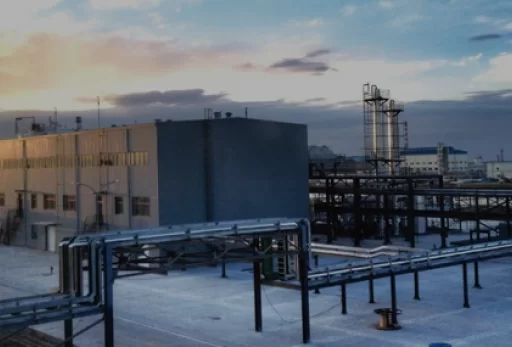
LNG Liquefaction Plant - Pipeline Gas
-Hengkai Natural Gas Liquefaction Project 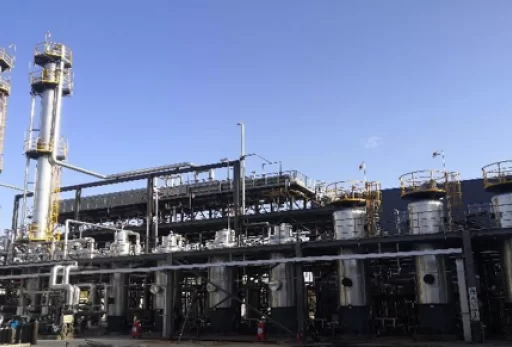
LNG Liquefaction Plant - Coal Bed Methane
-Tianhao Coalbed Methane Liquefaction Project 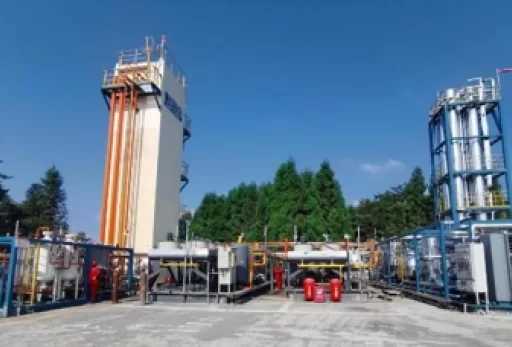
Skid-Mounted Product Series and Typical Performance
-60.000 cubic meters/day -60.000 cubic meters/day -60.000 m3/day*2 sets -200.000 cubic meters/day Contact Us
|