Optimize LNG ISO Tank Capacity for 2026: Boost Efficiency, Cut Costs & Ensure Safety
Discover how Shijiazhuang Enric Gas Equipment’s high-capacity LNG ISO tanks reduce costs by 22%, speed up deliveries by 30%, and comply with global safety standards. Get a free audit today.
Industry Leaders Trust Us: ASME, DOT, CE, ISO 9001, and 20+ global certifications. Serving 40+ countries including the U.S., EU, and Asia.
Why LNG ISO Tank Capacity Matters in 2026’s Energy Transition
The global LNG market is projected to grow at a 5.95% CAGR through 2034, reaching USD 193.72 billion by 2034 (Fortune Business Insights). As natural gas remains a critical bridge fuel in the energy transition, optimizing LNG ISO tank capacity is no longer optional—it’s a competitive necessity.
Key data points:
- Global industrial gases market: USD 115.47B in 2025 → USD 193.72B by 2034 (5.95% CAGR)
- LNG demand growth: Asia-Pacific leads with industrialization, while Europe focuses on green hydrogen integration.
- Supply chain risks: Over 30% of buyers report delays due to poor tank capacity planning.
The Global LNG Market’s Trajectory (2024–2030)
According to the IEA’s Global Hydrogen Review 2025, global hydrogen demand neared 100 Mt in 2024, with low-emissions production still under 1–4% toward 2030 targets. LNG ISO tanks play a pivotal role in:
- Transporting liquefied natural gas (LNG) efficiently from production sites to end-users.
- Supporting hydrogen blending (up to 20% in some regions) to meet decarbonization goals.
- Reducing methane emissions through advanced insulation and leak-proof designs.
Expert Insight: "Natural gas acts as a bridge fuel, but its efficiency depends on robust logistics. ISO tanks with optimized capacity minimize boil-off losses and maximize payloads." — MIT Energy Initiative, 2021
How ISO Tanks Drive Operational Efficiency in Natural Gas Logistics
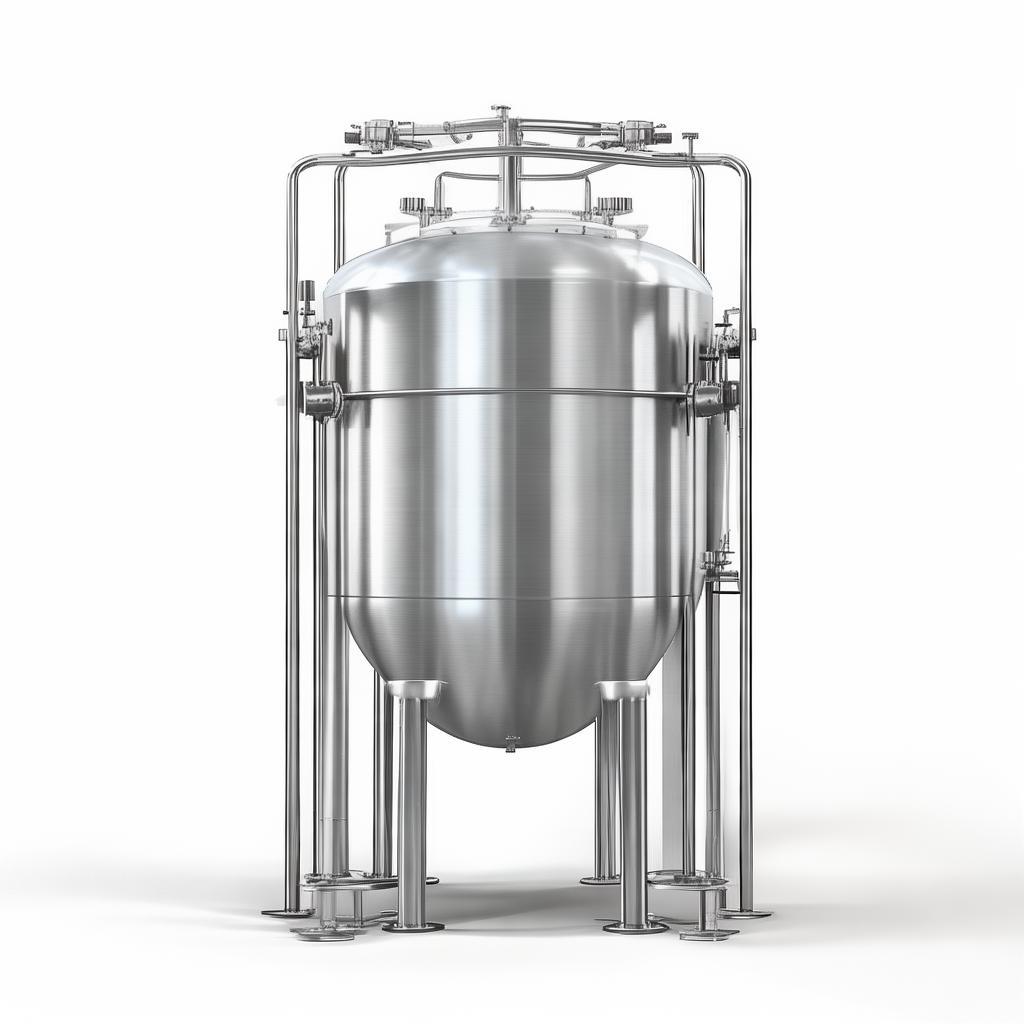
Unlike traditional cryogenic tanks, LNG ISO tanks offer:
- Modular design: Stackable and intermodal-compatible for rail, road, and sea transport.
- Standardized capacities: 40ft ISO tanks typically hold 40,000–50,000 liters, but custom sizes are available.
- Thermal efficiency: Vacuum-insulated panels reduce boil-off losses to 0.2% per day (vs. 0.5% in older models).

Figure 1: Shijiazhuang Enric’s state-of-the-art manufacturing facility in Hebei, China, producing high-capacity LNG ISO tanks with ASME and CE certifications.
Top 5 Pain Points for Buyers of LNG ISO Tank Capacity
Buying the wrong LNG ISO tank capacity leads to wasted CAPEX, regulatory fines, and supply chain disruptions. Here’s what procurement managers cite as their biggest frustrations:
1. High Capital Expenditure (CAPEX) Without ROI Visibility
Many buyers struggle to justify tank investments because:
- Underestimating fuel consumption (LNG boil-off losses can cost USD 5,000–10,000/year per tank).
- Ignoring hidden costs (insurance, maintenance, and regulatory upgrades).
- Lack of data-driven capacity planning (e.g., seasonal demand fluctuations).
Solution: Use heat load calculations and consult experts like Shijiazhuang Enric to model ROI before purchase.
2. Supply Chain Bottlenecks & Slow Delivery Times
The industrial gases market report highlights that 40% of delays stem from:
- Long lead times for specialized tanks (6–12 months with some suppliers).
- Poor coordination between manufacturers and logistics providers.
- Customs clearance issues for cross-border shipments.
Shijiazhuang Enric’s advantage: Delivers 25–30 days (vs. industry average of 60+ days) thanks to in-house production and strategic partnerships.
3. Regulatory Compliance & Safety Risks
liquified-natural-gas-lng-tanks-manufacturer lng-cylinder-price lng-fuel-tank liquid-natural-gas-tanks
Non-compliance with local regulations can lead to:
- Fines up to USD 1M (EPA in the U.S.).
- Shutdowns due to ASME or DOT violations.
- Loss of insurance coverage for accidents.
Key certifications required:
- ASME BPVC Section VIII (U.S.)
- DOT 4L (U.S. transport)
- CE Marking (EU PED compliance)
- ISO 9001:2015 (Quality Management)
- RoHS, IP65 (Environmental/safety standards)

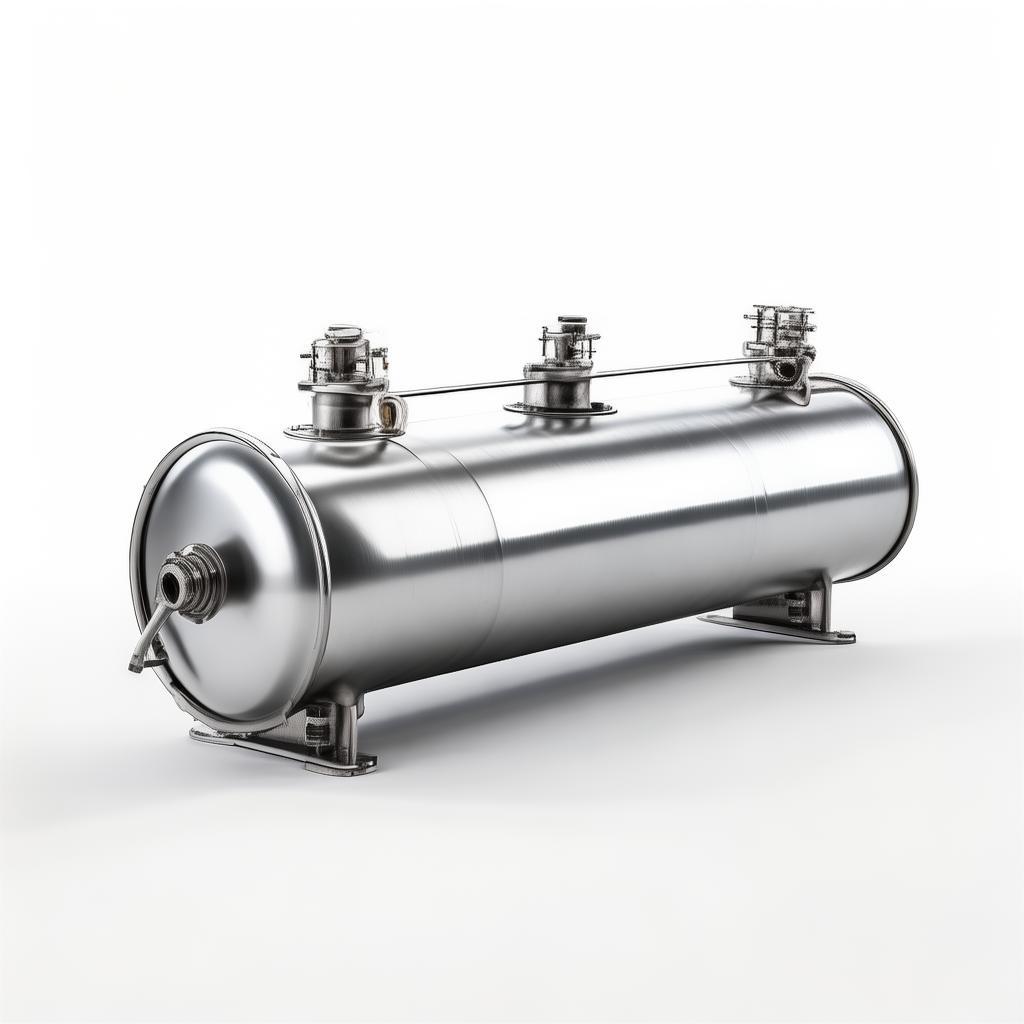
Figure 2: Shijiazhuang Enric’s LNG ISO tanks are ASME-certified, ensuring compliance with U.S. and global safety standards.
4. Underutilized Tank Capacity Leading to Wasted Resources
Many buyers over-purchase tank capacity to "be safe," but this leads to:
- Higher upfront costs (40ft ISO tanks cost USD 80,000–120,000).
- Increased boil-off losses (larger tanks = more surface area for heat transfer).
- Storage inefficiencies (e.g., keeping tanks 30% empty).
Pro Tip: Use dynamic capacity modeling to match tank size to your actual usage. For example:
- Small-scale plants: 30,000-liter tanks suffice.
- Mid-scale industrial users: 45,000–50,000 liters.
- Large LNG terminals: 60,000+ liters with modular expansion.
5. Limited Customization & After-Sales Support
Off-the-shelf tanks often fail to address unique needs like:
- Cold-weather adaptations (for Arctic operations).
- Specialized coatings (for corrosive environments).
- After-sales services (e.g., leak detection, insulation repairs).
Shijiazhuang Enric’s edge: Offers OEM/ODM solutions and 24/7 support with spare parts available in 72 hours.
Shijiazhuang Enric Gas Equipment: Your Trusted Partner for High-Capacity LNG ISO Tanks
With 50+ years in gas equipment manufacturing and a subsidiary of China International Marine Containers (CIMC), Shijiazhuang Enric is a global leader in LNG ISO tank solutions. Here’s why we stand out:
30+ Years of Expertise in Gas Equipment Manufacturing
- Pioneers in pressure vessel technology: First in China to obtain ASME and DOT certifications (2003/2005).
- 20+ years in international markets: Supplied tanks to 40+ countries, including Shell, Siemens, and GE.
- R&D investment: 5% of revenue into innovation, including vacuum-insulated panels and smart monitoring systems.
ASME, DOT, CE, & Global Certifications for Compliance
Our tanks meet the strictest global standards:
| Certification | Region | Purpose |
|---|---|---|
| ASME BPVC Section VIII | U.S./Global | Pressure vessel safety |
| DOT 4L | U.S. | Transport compliance |
| CE Marking | EU | PED compliance |
| ISO 9001:2015 | Global | Quality management |
| RoHS, IP65 | Global | Environmental/safety |
OEM/ODM Solutions for Customized LNG ISO Tank Capacity
Unlike competitors offering one-size-fits-all solutions, we provide:
- Modular expansion: Add tanks as your demand grows.
- Specialized coatings: For corrosive environments (e.g., offshore platforms).
- Smart monitoring: IoT-enabled sensors for real-time boil-off tracking.
- Cold-weather adaptations: For Arctic or high-altitude operations.
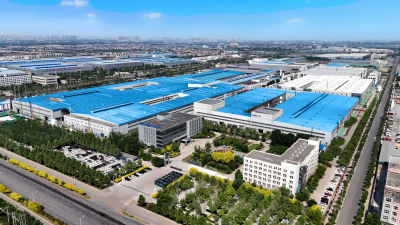
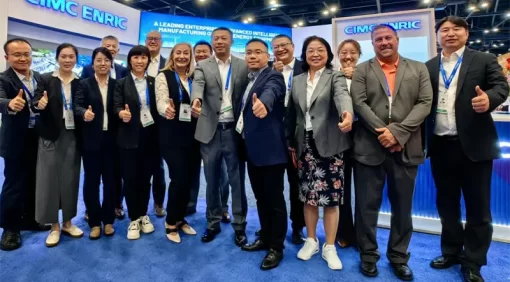
Figure 3: Shijiazhuang Enric’s engineers collaborate with clients to design customized LNG ISO tanks, ensuring optimal capacity and performance.
Technical Deep Dive: Optimizing LNG ISO Tank Capacity
To maximize ROI, you need to understand the technical nuances of LNG ISO tank capacity. Here’s what procurement managers must know:
Standard Sizes & Custom Configurations
Most 40ft ISO tanks follow these standard capacities:
| Tank Type | Nominal Capacity (Liters) | Max Payload (kg) | Boil-Off Rate (%/day) |
|---|---|---|---|
| 40ft Standard | 45,000–50,000 | 38,000–42,000 | 0.2–0.3 |
| 45ft High-Capacity | 55,000–60,000 | 48,000–52,000 | 0.18–0.25 |
| Custom (e.g., 53ft) | -->
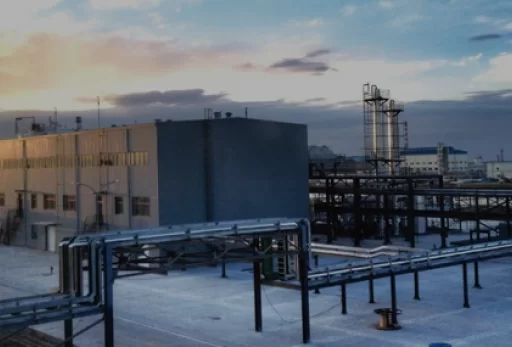
LNG Liquefaction Plant - Pipeline Gas
-Hengkai Natural Gas Liquefaction Project 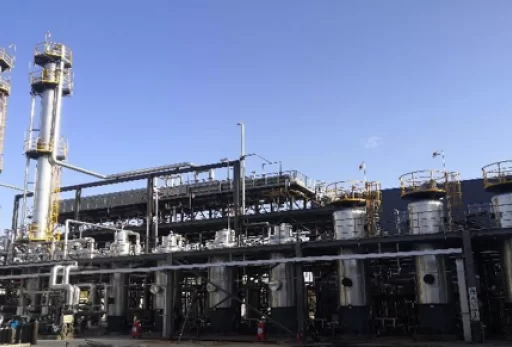
LNG Liquefaction Plant - Coal Bed Methane
-Tianhao Coalbed Methane Liquefaction Project 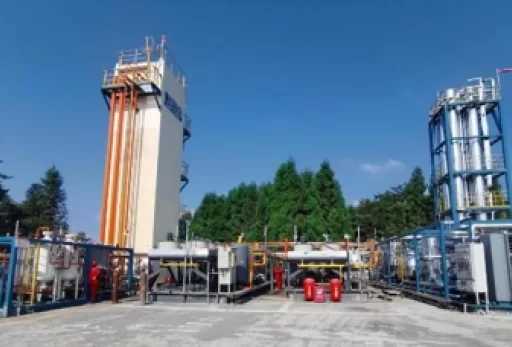
Skid-Mounted Product Series and Typical Performance
-60.000 cubic meters/day -60.000 cubic meters/day -60.000 m3/day*2 sets -200.000 cubic meters/day Contact Us
|