Stop guessing. Discover the exact alloys, composites, and polymers that keep your gases, liquids and chemicals safe, compliant, and cost‑effective.
According to the Industrial Gases Market 2025 report, over 40 % of procurement delays are linked to material mismatches.
| Material | Typical Grade | Pressure Rating (Bar) | Temp. Range (°C) | Key Standards | Typical Applications |
|---|---|---|---|---|---|
| Carbon Steel | ASTM A516‑70 | ≤ 250 | ‑40 → +120 | ASME‑VIII, EN 13445 | Crude oil, water, low‑grade chemicals |
| Stainless Steel | 316L / 304L | ≤ 300 | ‑50 → +350 | ISO 9001, FDA‑21CFR | Food‑grade, pharma, high‑purity gases |
| Aluminium Alloy | 6061‑T6 | ≤ 150 | ‑30 → +200 | ASME‑VIII, CE‑Mark | Light‑weight transport, offshore |
| FRP (Fiberglass‑Reinforced Plastic) | E‑Glass/ Vinyl Ester | ≤ 80 | ‑20 → +120 | ISO 9001, EN 13121‑3 | Corrosive acids, wastewater |
| HDPE (High‑Density Polyethylene) | PE‑100 | ≤ 30 | ‑40 → +80 | ISO 4427, ASTM D1998 | Fuel storage, LPG, bio‑methane |
Enric’s in‑house testing lab (ISO 17025 accredited) validates every batch against the latest ASME‑VIII and EN 13445 criteria, guaranteeing the material you order is exactly what you need.

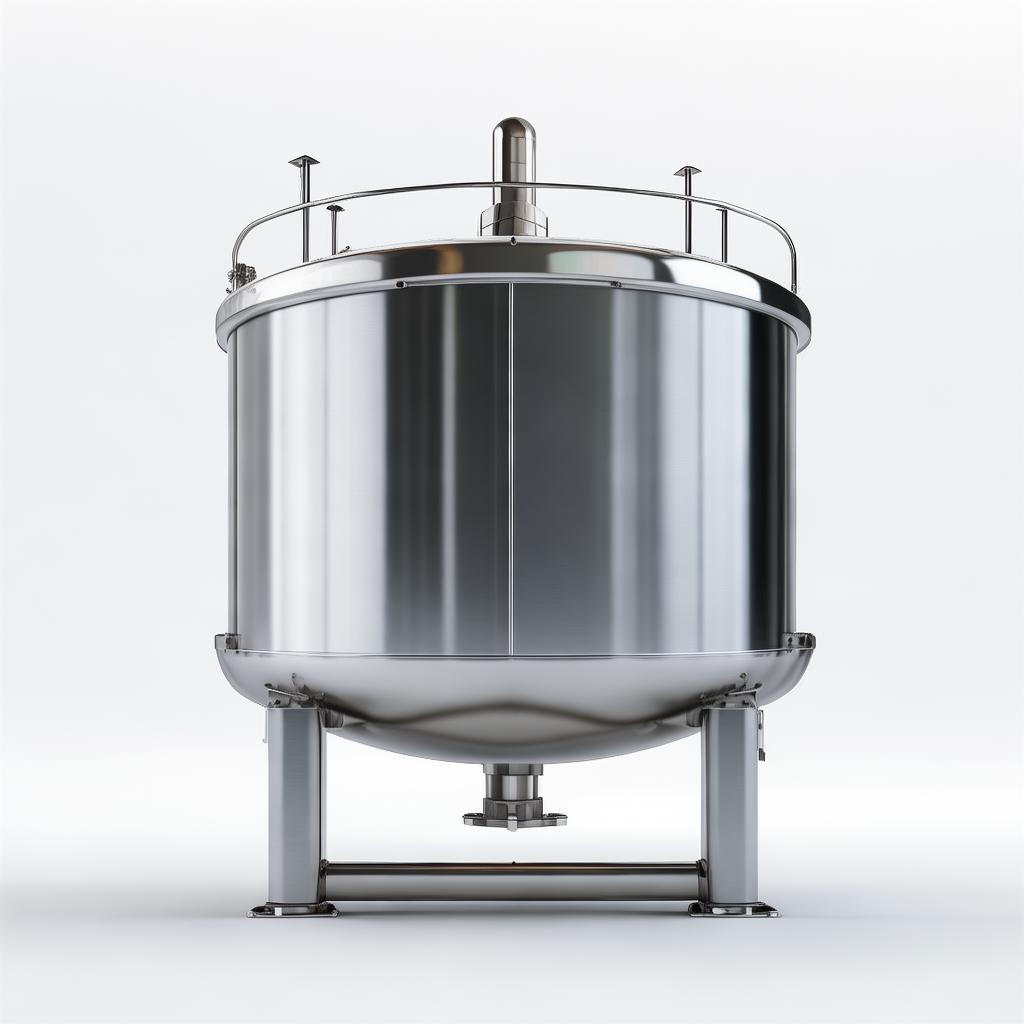
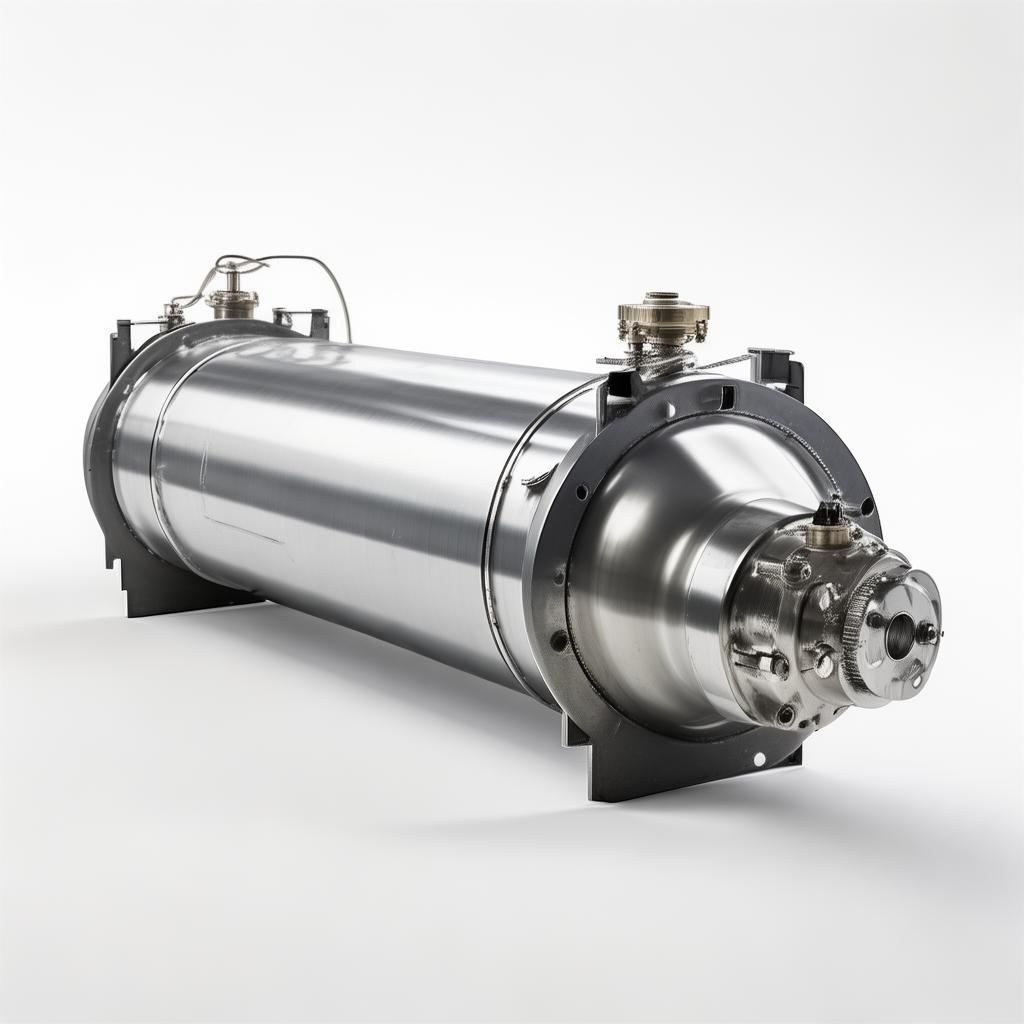
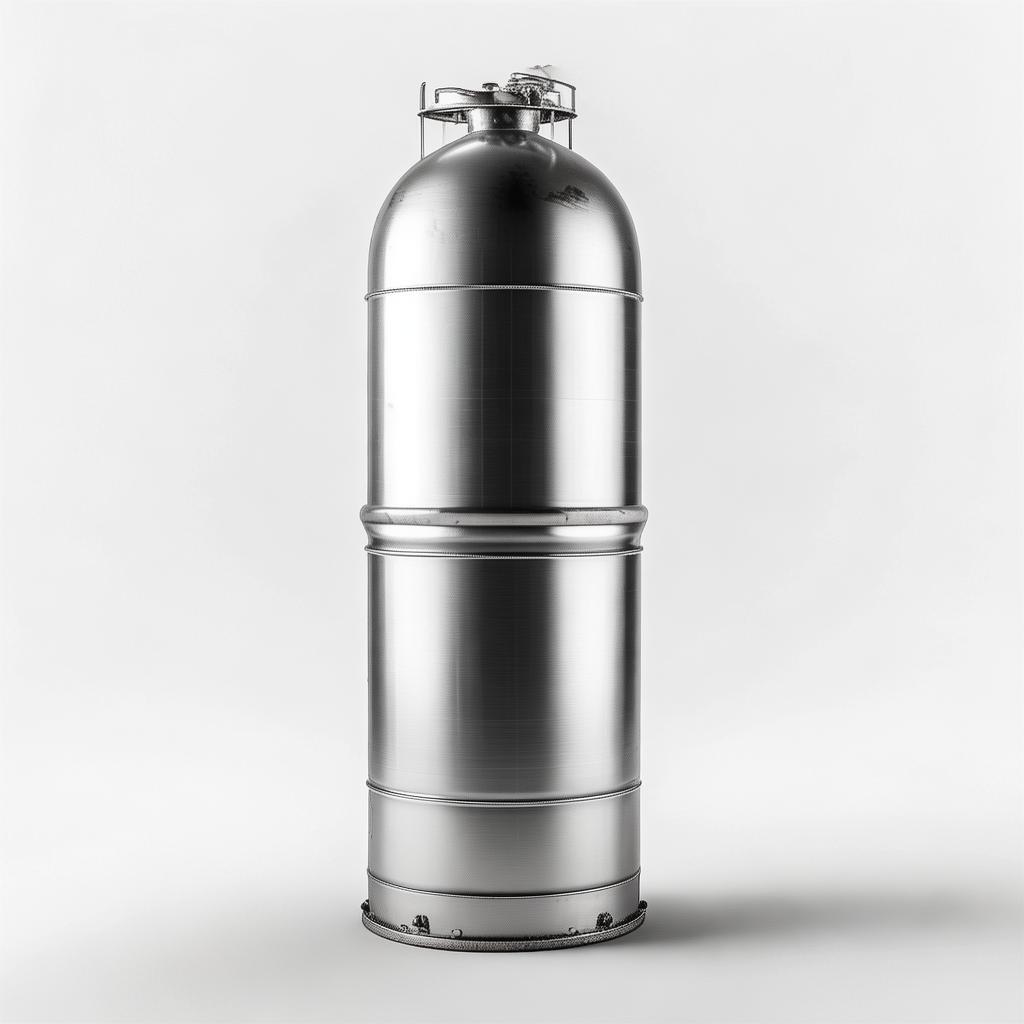
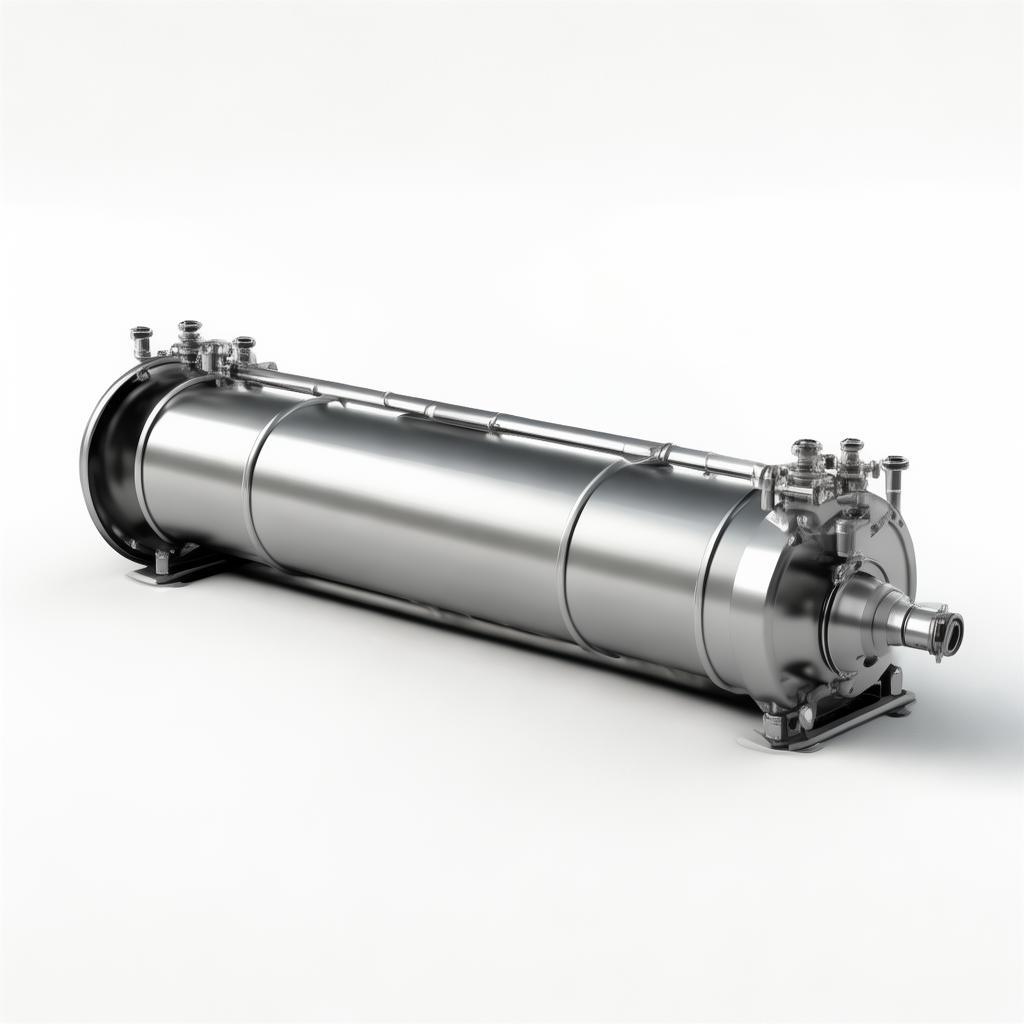
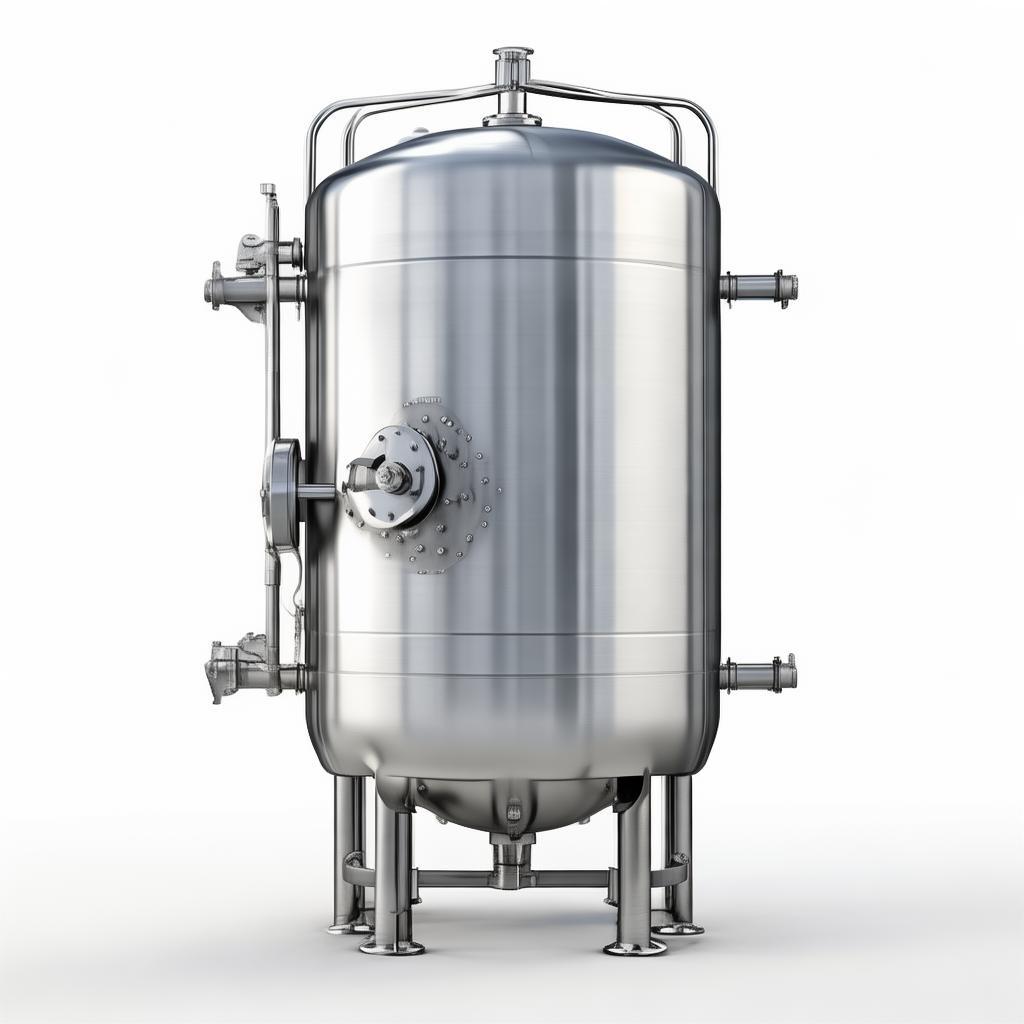
Figure 1: Production line where steel, stainless and composite tanks are fabricated.
thermal-energy-storage-tank vaccum-tank industrial-tank-construction what-are-lpg
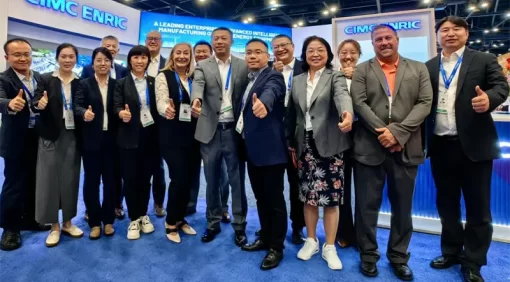
Our tanks are in service at more than 150 major enterprises worldwide.


“Switching to Enric’s 316L stainless tanks cut our annual maintenance budget by USD 120 k and eliminated compliance gaps in EU‑REACH.” – Maria K., Procurement Director, Siemens AG




Stainless steel 316L or 904L is the industry standard for temperatures up to 350 °C and pressures ≤ 300 bar. For even higher temperatures, a Nickel‑based alloy (Inconel 625) is recommended, though cost rises ~45 %.
Yes. Our engineering team uses finite‑element analysis (FEA) to optimize thickness for your exact pressure‑temperature envelope, typically ranging from 6 mm to 25 mm.
You need CE‑Mark (EN 13445‑2), ISO 22000 for hygiene, and FDA‑21CFR Part 11 compliance if you export to the U.S. Enric provides full documentation on request.
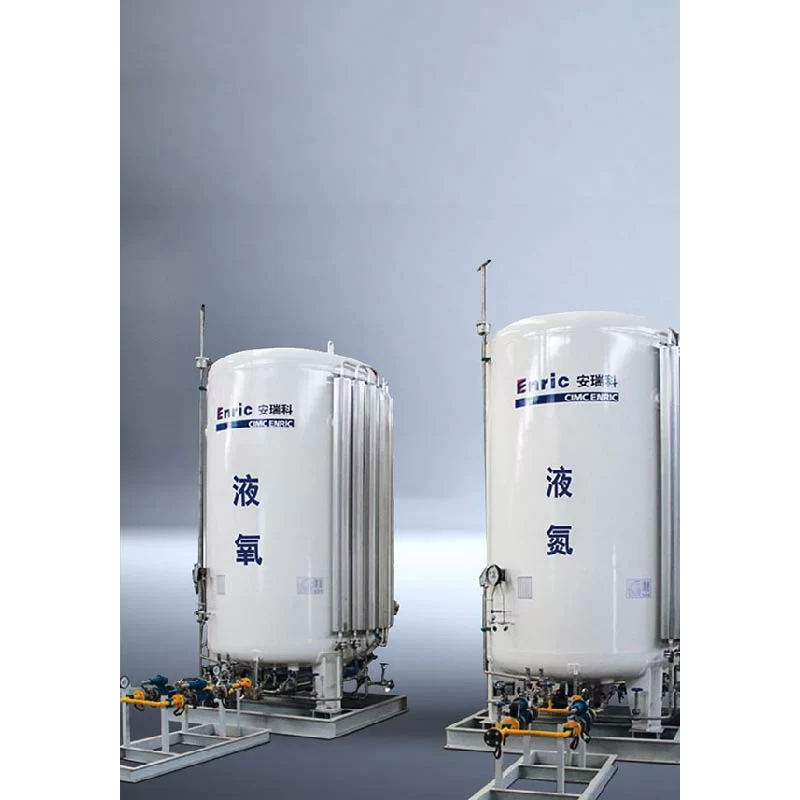
Standard stock‑size 5 m³ 316L tanks are ready for dispatch within 5 working days. For custom dimensions, the average lead‑time is 14 days (including NDT & certification).
Yes. Our Global Service Network provides annual hydrostatic testing, ultrasonic thickness gauging, and on‑site repairs under a 5‑year warranty.
Limited‑time offer: Free 1‑month on‑site inspection for orders placed before 31 July 2026.
 John P., Operations Manager, Shell – “The FRP tanks arrived 3 weeks early, saved us USD 22 k in transport, and passed all corrosion tests on day‑one.”
 Li Wei, Purchasing Lead, Siemens – “Material certification packets were complete and ready for EU audits. No follow‑up needed.”
 Ahmed S., Technical Director, Saudi Aramco – “Stainless‑steel 316L tanks with our custom nozzle pattern reduced installation time by 30 %.”
 Dr. Yan Li – Senior Materials Engineer with 22 years in pressure‑vessel design, former lead consultant for ASME‑VIII projects across North America and Europe. Holds a Ph.D. in Metallurgical Engineering (Tsinghua University) and has authored 15 peer‑reviewed papers on high‑pressure composites. His expertise drives Enric’s material‑selection strategy and ensures every tank meets the strictest global standards.


Shijiazhuang Enric Gas Equipment Co., Ltd.
No. 169, Yuxiang Street, Equipment Manufacture Base, Shijiazhuang, 051430 Hebei Province, China
Tel: +86‑311‑81663811 | Email: gasequipment@enricgroup.com
Europe Contact: Bowen Di – +86 156 1436 8118 | WhatsApp: +86 181 3205 9236 | dibowen@enricgroup.com
North America Contact: Jeremy Wu – +86 153 0330 2613 | WhatsApp: +86 138 3101 9831 | wuzuoliang@enricgroup.com
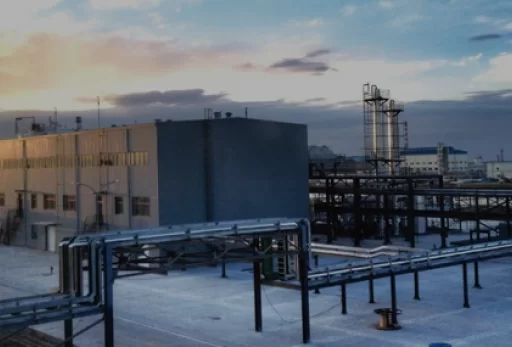
-Hengkai Natural Gas Liquefaction Project
-Changming Phase II Natural Gas Liquefaction Project
-Hwange Natural Gas Liquefaction Project
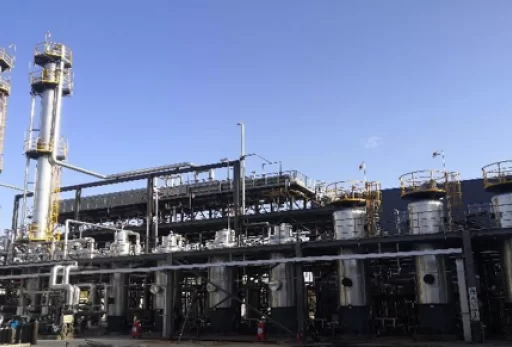
-Tianhao Coalbed Methane Liquefaction Project
-Tianyun Coalbed Methane Liquefaction Project
-Shuntai Coalbed Methane Liquefaction Project
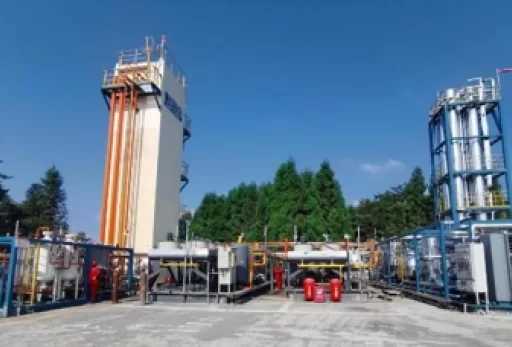
-60.000 cubic meters/day
-60.000 cubic meters/day
-60.000 m3/day*2 sets
-200.000 cubic meters/day