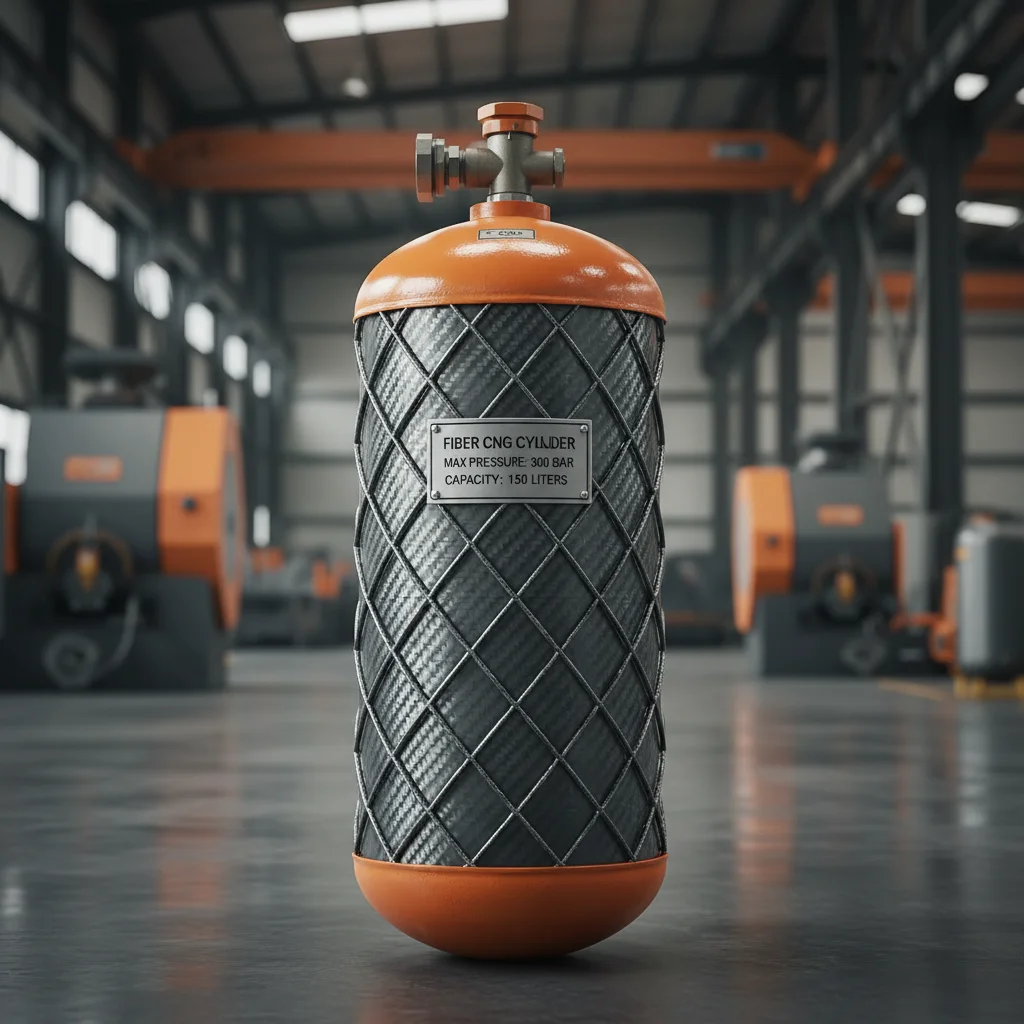
The global shift toward cleaner energy alternatives has intensified the scrutiny on the cost and efficiency of Compressed Natural Gas (CNG) infrastructure. For fleet operators and industrial engineers, understanding the cng kit cylinder price is no longer just about the initial procurement cost, but about the total cost of ownership relative to storage capacity and safety certifications.
The complexity of pricing in high-pressure gas storage arises from the diverse material requirements—ranging from traditional steel to advanced composite wraps—and the stringent regulatory standards such as ASME and DOT. As industries transition toward hydrogen and electronic gas applications, the engineering trade-offs between cylinder weight, working pressure, and lifecycle durability have become the primary drivers of market valuation.
This technical analysis examines the structural factors influencing storage pricing, the engineering requirements for high-pressure containment, and how integrated storage solutions can optimize operational expenditure. By evaluating the relationship between material grade and long-term reliability, we provide a framework for making informed procurement decisions in the gas equipment sector.


The core of any CNG storage system is the pressure vessel, which must maintain structural integrity under extreme cyclic loading. The technical architecture involves a precise balance between wall thickness and tensile strength to prevent fatigue failure while maximizing the internal volume available for gas storage.
From an engineering perspective, the integration of safety valves and high-precision regulators ensures that the stored medium remains within a safe working pressure envelope, reducing the risk of catastrophic rupture during temperature fluctuations.
When evaluating the cng kit cylinder price, buyers must look beyond the nominal cost and analyze the manufacturing tolerances and certification levels. High-grade cryogenic steel or advanced alloys are used to resist corrosion and handle high pressure, where the cost is directly proportional to the purity of the material and the precision of the welding processes.
Certification standards like ASME and DOT significantly influence the price point. A vessel with comprehensive international qualifications ensures lower insurance premiums and higher safety ratings, as it has undergone rigorous non-destructive testing (NDT) including X-ray and ultrasonic inspections to verify the absence of subsurface flaws.
Furthermore, customization options—such as tailored volume and pressure specifications—add a layer of engineering cost. The ability to adjust a vessel to fit a specific facility footprint or to integrate with existing gas piping requires bespoke design work, which shifts the value from a commodity product to a customized engineering solution.
The selection of materials represents a critical trade-off between weight, longevity, and cost. Traditional steel cylinders offer superior durability and lower initial costs but suffer from significant weight penalties, which can reduce the payload efficiency of transportation vehicles.
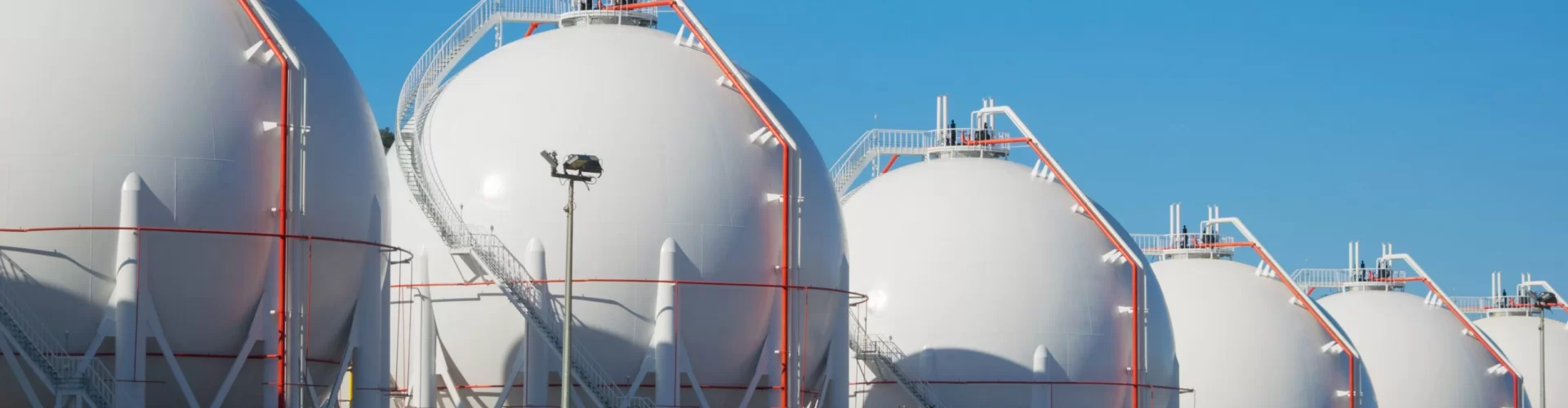
For stationary industrial storage, the priority shifts toward thermal stability and minimal evaporation rates. This is where vacuum perlite insulation becomes essential, as it creates a thermal barrier that minimizes boil-off gas, thereby reducing product loss and lowering the long-term operational cost of the facility.
Measuring the efficiency of a gas storage system requires a multi-dimensional approach. Key performance indicators (KPIs) include the boil-off rate, the service lifespan, and the maintenance frequency. High-efficiency tanks, such as those utilizing advanced vacuum insulation, can reduce daily product loss to under 1%, compared to 3-5% in standard configurations.
The return on investment (ROI) is therefore not determined by the initial cng kit cylinder price, but by the rate of efficiency recovery. A system with a lower evaporation rate and a lifespan extending beyond 20 years provides a significantly lower total cost of ownership than a cheaper, shorter-lived alternative.
In a typical industrial deployment, gas storage tanks must be integrated into a wider distribution network. This involves the coordination of real-time inventory control and automated pressure regulation systems to ensure a stable downstream delivery of media such as LO2, LN2, or LAr. For hazardous material handling, reinforced shells are required to withstand extreme temperature fluctuations without compromising the seal.
Logistics synchronization is equally critical; the capacity of the storage tank must align with the supply chain delivery timelines to prevent outages. In semiconductor or display panel industries, the equipment must meet stringent purity requirements, necessitating ultra-high purity gas storage solutions that prevent contamination throughout the lifecycle.
The trajectory of the gas equipment industry is moving toward "smarter" storage. The integration of IoT sensors for real-time pressure anomaly detection and temperature spike alerting is transforming passive tanks into active management assets. This shift reduces the reliance on manual inspections and lowers the risk of operational downtime.
Furthermore, the development of hydrogen energy infrastructure is driving the adoption of new material grades. Hydrogen's propensity for embrittlement requires specialized alloys and liners that can prevent microscopic fractures, a technical challenge that is currently redefining the pricing and manufacturing processes of high-pressure vessels.
Ultimately, the industry is trending toward decarbonization. Low-carbon manufacturing processes and the use of recyclable composite materials are becoming key selection criteria for global enterprises striving to meet ESG targets, shifting the focus from initial cost to the total environmental impact of the equipment.
Choosing the right configuration requires a systematic evaluation of the operational environment and the specific properties of the gas being stored. Whether the priority is maximum volume, minimal weight, or ultra-low evaporation, the chosen hardware must align with the facility's footprint and pressure requirements.
The following matrix provides a comparative framework for different storage profiles. By analyzing these configurations, procurement managers can balance the upfront cng kit cylinder price against the expected operational lifespan and maintenance costs.
It is essential to verify that all selected configurations comply with the relevant pressure vessel standards of the operating region to ensure legal and safety compliance.
| Configuration Type | Material Basis | Primary Advantage | Recommended Use Case |
|---|---|---|---|
| Baseline Steel | Cryogenic Steel | Low Initial Cost | Stationary Low-Budget Storage |
| Standard Composite | Steel/Fiber Wrap | Balanced Weight | General Commercial Transport |
| High-Duty Composite | Carbon Fiber | Max Weight Efficiency | High-Mobility Energy Fleet |
| Vacuum Insulated | Perlite/Vacuum | Ultra-Low Boil-off | Long-term Cryogenic Storage |
| Precision Custom | Specialized Alloy | Exact Footprint Fit | Semiconductor Facility |
| Hydrogen-Ready | Anti-Embrittlement | Gas Compatibility | Green Energy Infrastructure |
Pricing is primarily driven by material composition (e.g., high-grade cryogenic steel vs. carbon fiber composites), the working pressure rating, and the level of certification (ASME, DOT). Additionally, the inclusion of advanced thermal insulation, such as vacuum perlite, and customized volume specifications for specific facility footprints will increase the cost but lower long-term operational losses.
Vacuum perlite insulation significantly reduces the boil-off rate of cryogenic liquids. While it increases the initial procurement cost, it reduces daily product loss from a standard 3-5% to under 1%. For industrial-scale operations, this efficiency gain leads to a rapid ROI by minimizing waste and reducing the frequency of refills.
Yes, but hydrogen storage requires specialized material grades to prevent hydrogen embrittlement. While the basic design principles of pressure vessels are similar, hydrogen-ready equipment utilizes specific alloys and liners that can withstand the unique chemical interactions of hydrogen molecules at high pressure.
Maintenance involves regular pressure valve testing, vacuum integrity checks, and shell inspections for corrosion. Modern systems integrate automated monitoring platforms that track gas levels and temperature spikes, allowing for predictive maintenance and reducing the need for unplanned downtime.
Working pressure is determined by the downstream application requirements and the properties of the stored medium. Engineers calculate the required wall thickness and material strength based on the maximum allowable working pressure (MAWP) to ensure a safe margin of error under extreme temperature fluctuations.
Standard storage tanks typically last 10-15 years. However, advanced tanks utilizing premium alloys and high-vacuum insulation can extend their service life to 20-25+ years. The lifespan depends heavily on the operating environment, the frequency of pressure cycles, and the quality of the initial manufacturing.
The evaluation of the cng kit cylinder price must transition from a simple cost-per-unit analysis to a comprehensive lifecycle value assessment. The integration of high-grade materials and vacuum insulation not only ensures safety and regulatory compliance but directly correlates with reduced operational expenditure via lower evaporation rates and extended equipment longevity.
For enterprises scaling their energy infrastructure, the priority should be placed on precision engineering and international certifications. By aligning storage specifications with actual deployment scenarios, operators can optimize their gas distribution networks and ensure stability in hazardous material handling, leveraging professional solutions from established providers like CIMC Enric.