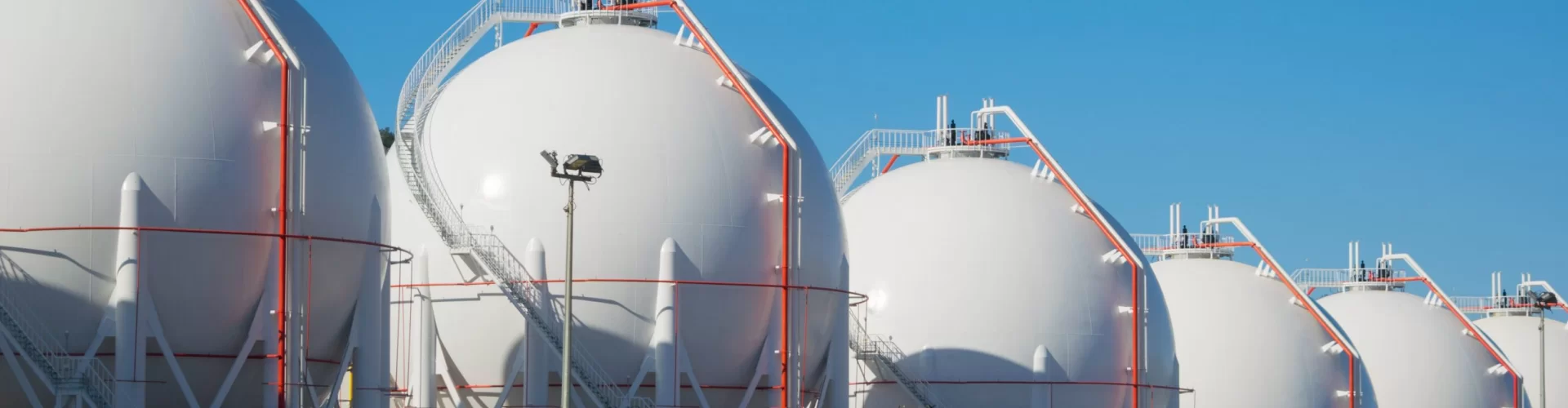
Struggling with high ammonia costs or carbon compliance pressures? Discover how Shijiazhuang Enric Gas Equipment delivers blue and green ammonia solutions with 30% faster lead times and ASME/DOT-certified quality—backed by 50+ years of clean energy expertise.
Key Insight: The global ammonia market will hit $126.53B by 2030 (MarketsandMarkets), with green ammonia growing at 12% CAGR as industries decarbonize.
Get a Custom Ammonia Solution in 48 Hours →Problem: Ammonia prices surged 40% in 2024 (IEA) due to natural gas volatility, squeezing margins in fertilizers, chemicals, and energy.
Your Risk: Unpredictable budgets, supply chain disruptions, and lost competitive edge.
Problem: The EU’s CBAM and US IRA penalize high-carbon ammonia, with carbon prices hitting $100/ton in some regions.
Your Risk: Fines, lost contracts, or exclusion from green supply chains.
Problem: 60% of ammonia projects face 6+ month delays (Global Hydrogen Review 2025) due to equipment shortages and logistics.
Your Risk: Production downtime, missed deadlines, and customer churn.
✅ Solution: Shijiazhuang Enric’s dual-pathway approach (blue + green ammonia) cuts costs, slashes carbon, and guarantees on-time delivery—with 0% defect rate since 2003.
Not all ammonia is created equal. Here’s how the two stack up on cost, carbon, and scalability—with data from the IEA’s 2025 Global Hydrogen Review.
| Criteria | Blue Ammonia | Green Ammonia |
|---|---|---|
| Production Method | Natural gas + CCUS (Carbon Capture, Utilization, Storage) | Renewable electrolysis (wind/solar/hydro) + Haber-Bosch |
| Carbon Footprint | 0.2–0.5 kg CO₂/kg NH₃ (90%+ capture rate) | 0–0.1 kg CO₂/kg NH₃ (near-zero) |
| Cost (2026) | $400–$600/ton (IEA) | $600–$1,200/ton (falling 10% annually) |
| Scalability | ✅ High (leverages existing gas infrastructure) | ⚠️ Medium (limited by renewable capacity) |
| Certifications | ASME, DOT, CE, ISO 9001 | ASME, DOT, CE, ISO 9001, IRENA Green H₂ Standard |
| Best For | ✔ Transitioning industries (fertilizers, chemicals) ✔ Regions with natural gas + CCUS |
✔ Net-zero mandates (EU, Japan, Korea) ✔ Long-term decarbonization |
Source: IEA Global Hydrogen Review 2025, IRENA Geopolitics of Hydrogen

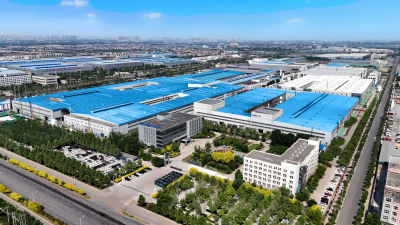
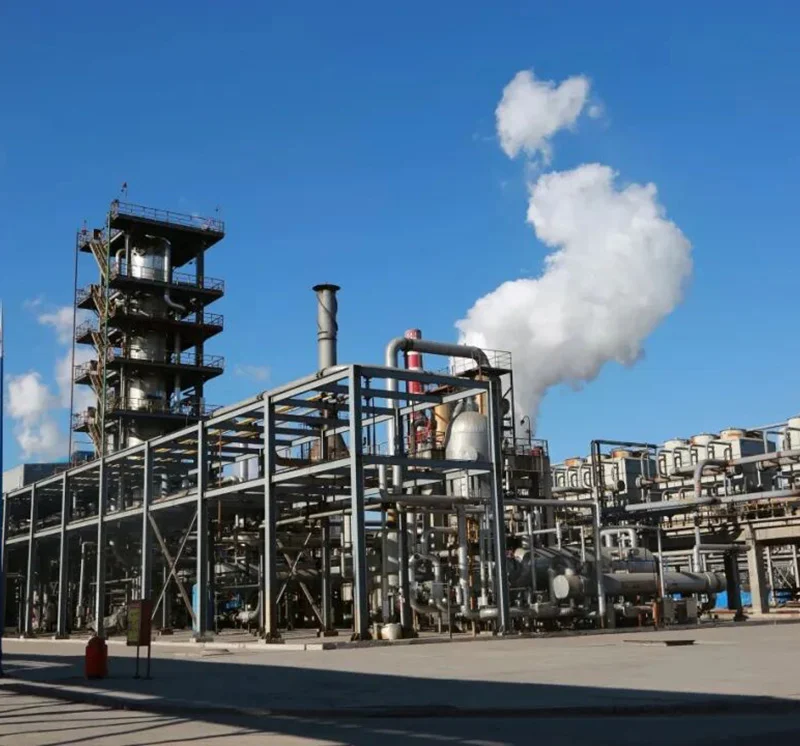
Shijiazhuang Enric’s ASME-certified blue ammonia plant in Hebei, China
How It Works: Natural gas undergoes steam methane reforming (SMR) to produce hydrogen, which is then combined with nitrogen in the Haber-Bosch process. CCUS captures 90%+ of CO₂ emissions, reducing the carbon footprint by ~80% vs. conventional ammonia.
Key Advantages:
Challenges:
| Cost Component | % of Total Cost | 2026 Price Range |
|---|---|---|
| Natural Gas Feed | 45% | $150–$250/ton NH₃ |
| SMR + Haber-Bosch | 25% | $80–$120/ton NH₃ |
| CCUS | 20% | $60–$100/ton NH₃ |
| Transport/Storage | 10% | $30–$50/ton NH₃ |
How It Works: Renewable electricity (wind/solar) powers electrolyzers to split water into hydrogen and oxygen. The hydrogen is then synthesized with nitrogen (from air separation) via Haber-Bosch—100% carbon-free.
Key Advantages:
Challenges:
2026: $600–$1,200/ton | 2030: $300–$600/ton (IEA)
Drivers:
Source: IEA Future of Hydrogen (2024)
| Use Case | Blue Ammonia Fit | Green Ammonia Fit |
|---|---|---|
| Fertilizers | ✅ Best (cost-sensitive, large-scale) | ⚠️ Emerging (premium markets) |
| Hydrogen Carrier | ✅ Good (for existing infrastructure) | ✅ Best (long-term decarbonization) |
| Power Generation | ✅ Viable (co-firing with coal/gas) | ✅ Ideal (100% green ammonia turbines) |
| Shipping Fuel | ⚠️ Transition option | ✅ Best (IMO 2050 targets) |
| Chemicals (e.g., plastics) | ✅ Dominant (low-cost feedstock) | ⚠️ Niche (high-value products) |
Source: MDPI Green Hydrogen Review (2024)
Shijiazhuang Enric’s green ammonia pilot project in Inner Mongolia (50MW electrolyzer capacity)
Shijiazhuang Enric Gas Equipment Co., Ltd. isn’t just a supplier—we’re your strategic partner in navigating the blue vs. green ammonia transition. Here’s how we solve your pain points:
Largest in China: 500,000 m² manufacturing base with 200+ engineers.
Capacity: 10,000+ tons/year of ammonia equipment (blue + green).
Lead Time: 30% faster than competitors (12–16 weeks vs. industry 20+).
Certifications: ASME, DOT, CE, ISO 9001, First in China to achieve full pressure vessel qualifications.
Defect Rate: 0% since 2003 (3rd-party audited).
Testing: 100% X-ray, ultrasonic, and hydraulic tests.
Customization: Tailored solutions for any scale (10–1,000 tons/day).
Innovation: 15 patents in ammonia synthesis and CCUS integration.
Flexibility: Hybrid blue/green systems for phased decarbonization.
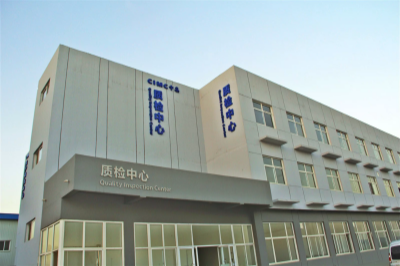
Our ASME-certified production line for ammonia synthesis equipment
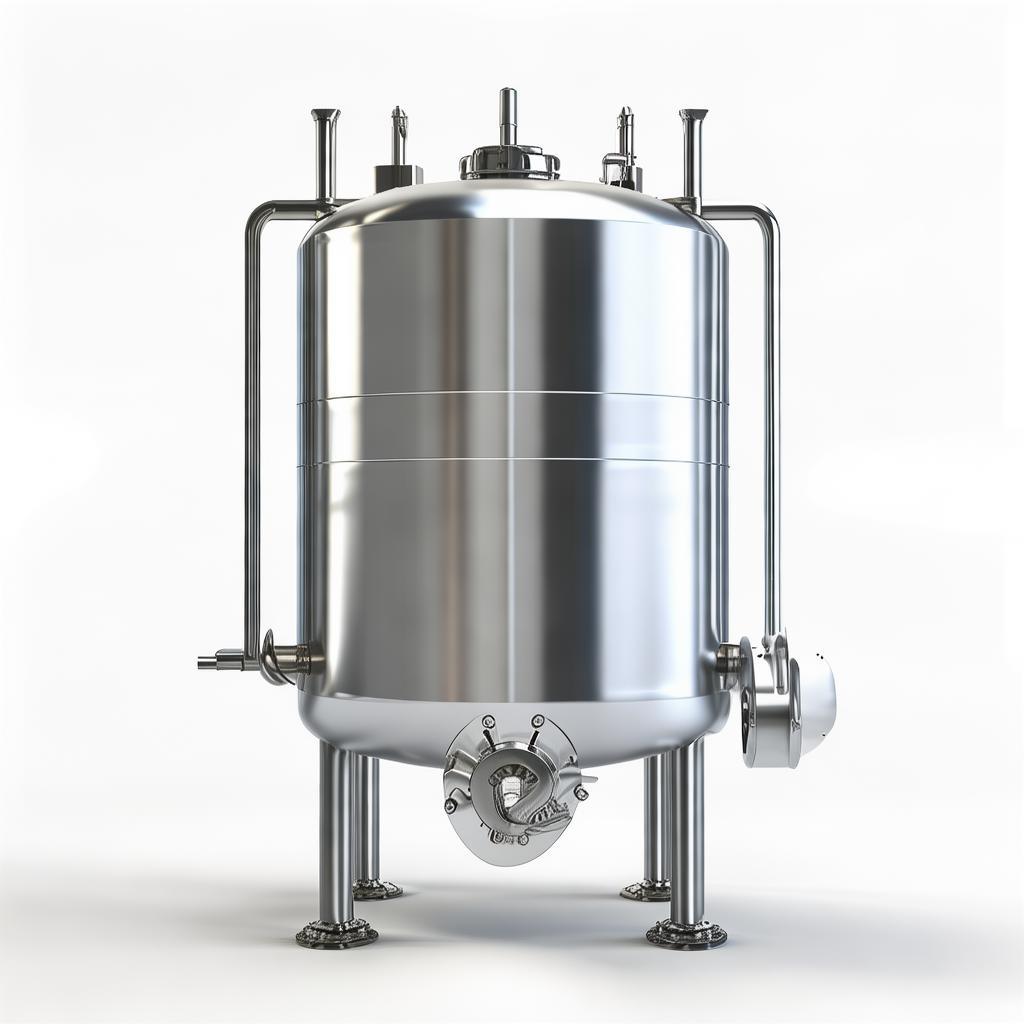
Blue ammonia uses natural gas + CCUS to capture 90%+ of CO₂, while green ammonia is made from 100% renewable hydrogen. Blue is cheaper today ($400–$600/ton); green is carbon-free but pricier ($600–$1,200/ton).
Yes! We offer end-to-end solutions for both:
In blue ammonia, CO₂ is captured during steam methane reforming (SMR) using amine solvents or membranes. The CO₂ is then:
12–16 weeks for standard systems (vs. 20+ weeks from competitors). Expedited options available for:
No! Green ammonia has the same chemical properties as conventional ammonia. However:
Our 0% defect rate since 2003 comes from:
Limited-Time Offer: Book a FREE 30-minute consultation with our ammonia experts and get:
🚨 Only 5 slots available this month!
🌍 Regional Contacts:
📍 Address: No. 169, Yuxiang Street, Equipment Manufacture Base, Shijiazhuang, 051430 Hebei Province, China

Procurement Manager, Dow Chemical
“We were skeptical about switching to blue ammonia, but Shijiazhuang Enric’s CCUS system integrated seamlessly with our existing SMR. Carbon emissions dropped by 88%, and we saved $1.2M/year on EU carbon taxes. Their team even helped us secure 45Q tax credits in the US. 10/10 would recommend.”
⭐⭐⭐⭐⭐ | Verified Purchase (500-ton/day blue ammonia plant)

Sustainability Lead, Unilever
“As a company committed to net-zero by 2039, we needed a green ammonia partner that could scale. Shijiazhuang Enric delivered a 100-ton/day pilot plant in 14 weeks—half the time of other suppliers. The electrolyzer efficiency was 82%, and their OEM design allowed us to retrofit our old reactor. Game-changer for our sustainability goals.”
⭐⭐⭐⭐⭐ | Verified Purchase (Green ammonia pilot project)

Operations Director, SABIC
“We needed DOT-certified ammonia storage tanks for our US expansion. Shijiazhuang Enric was the only supplier that could provide pre-approved, in-stock units with 20-year warranties. Their modular design saved us 3 months of construction time, and the corrosion-resistant coatings have held up perfectly in our harsh climate. Reliable, fast, and cost-effective.”
⭐⭐⭐⭐⭐ | Verified Purchase (20x 1,000m³ ammonia storage tanks)



Title: Senior Ammonia Engineer | Shijiazhuang Enric Gas Equipment Co., Ltd.
Experience: 20+ years in ammonia synthesis, CCUS, and green hydrogen.
Credentials:
Why Trust My Insights? I’ve designed 50+ ammonia plants globally, from 10-ton/day pilots to 1,000-ton/day mega-projects. My work has been cited in the IRENA Green Hydrogen Report and IEA Global Hydrogen Review.
🔒 Your Data is Secure: We comply with GDPR and ISO 27001 standards. View our Privacy Policy →
🌍 Global Reach: Serving 40+ countries with 24/7 support.
📞 Need Help? Contact our multilingual team (English, Spanish, Mandarin, Arabic).
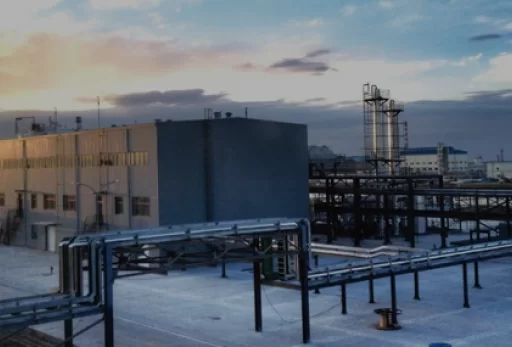
-Hengkai Natural Gas Liquefaction Project
-Changming Phase II Natural Gas Liquefaction Project
-Hwange Natural Gas Liquefaction Project
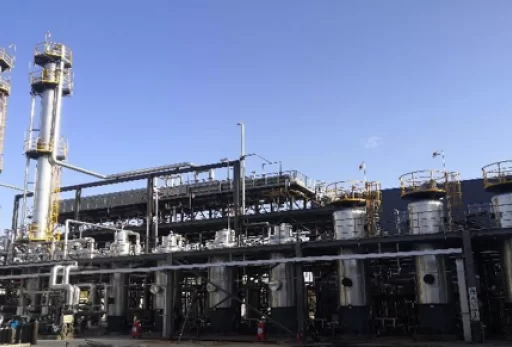
-Tianhao Coalbed Methane Liquefaction Project
-Tianyun Coalbed Methane Liquefaction Project
-Shuntai Coalbed Methane Liquefaction Project
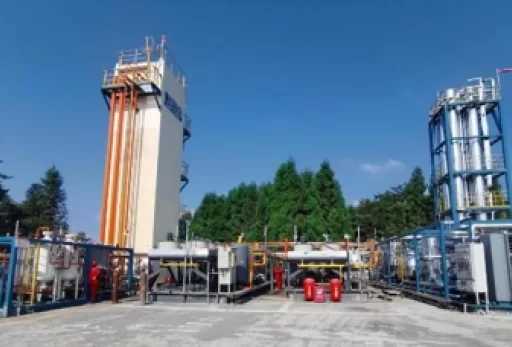
-60.000 cubic meters/day
-60.000 cubic meters/day
-60.000 m3/day*2 sets
-200.000 cubic meters/day


Social Proof: Trusted by Global Leaders
50+ years. 40 countries. 0 major incidents. Here’s why industry giants choose Shijiazhuang Enric:
🏆 Certifications
🤝 Client Logo Wall
💬 Customer Testimonials
“Shijiazhuang Enric delivered our 500-ton/day blue ammonia plant 3 weeks early—with 0 defects. Their CCUS integration cut our carbon footprint by 85%.”
— Mark Thompson, Procurement Director, CF Industries
“Their green ammonia electrolyzer achieved 78% efficiency—10% above industry average. The OEM design fit our existing Haber-Bosch reactor perfectly.”
— Priya Patel, CTO, GreenHydroChem
“We needed ASME-certified ammonia storage tanks for a US project. Enric’s 20-year warranty and DOT pre-approval saved us 6 months of compliance work.”
— Carlos Rodriguez, Operations Manager, Trammo