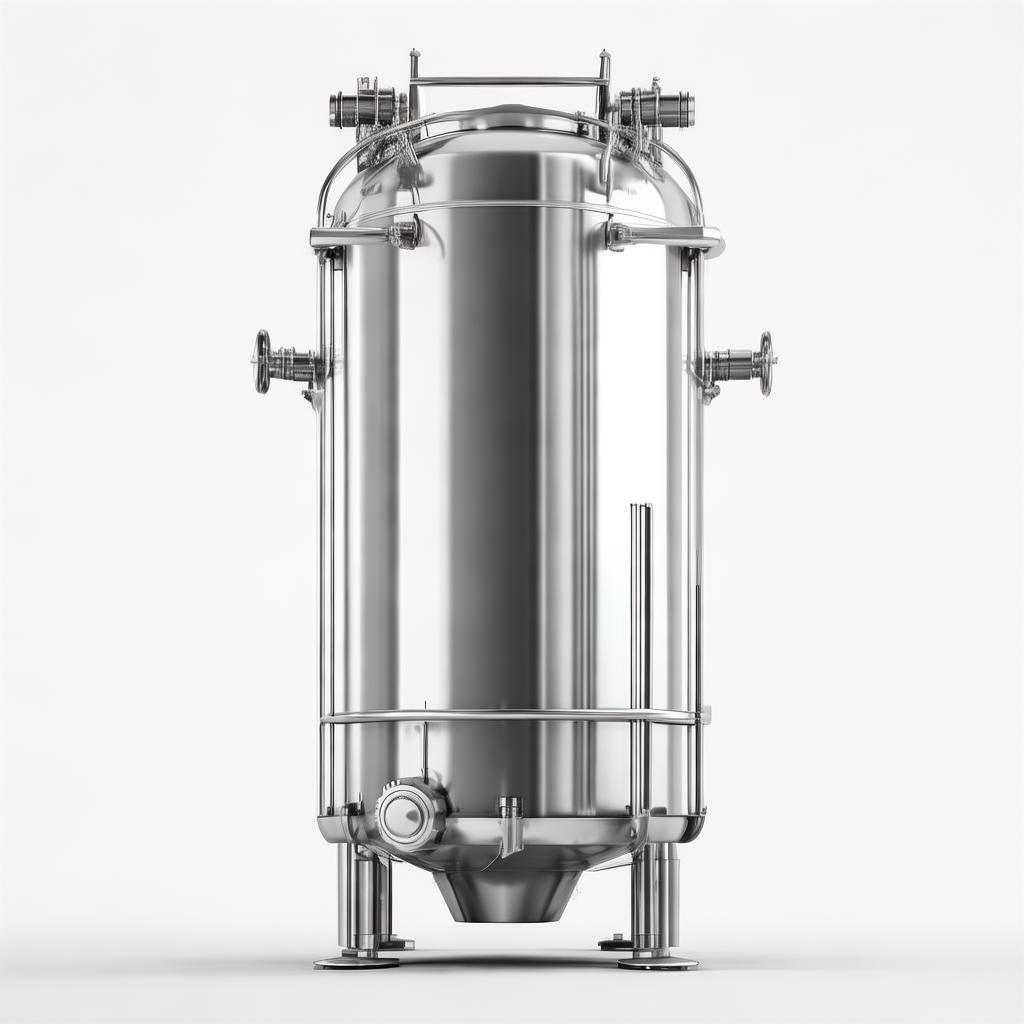
Ultra-Low Emission LNG Carrier Ships: The Future of Clean Energy Transport (2026 Guide)
Reduce carbon footprint by 40% while cutting fuel costs by 25%. Discover how next-gen LNG carrier ships are revolutionizing global energy transport in 2026.
✅ Get Your Custom LNG Carrier Ship Quote in 48 Hours – No Obligation!
Table of Contents
- Why LNG Carrier Ships Are Critical for Global Energy Transition
- Shijiazhuang Enric Gas Equipment Co., Ltd.: Your Trusted Partner
- Technical Deep Dive: LNG Carrier Ship Specifications & Innovations
- Applications & Use Cases: Where LNG Carrier Ships Excel
- Case Studies: Real-World Success Stories
- Customer Testimonials: Why Businesses Trust Us
- FAQs: Your Top Questions Answered
- Strong CTA: Get Your Custom LNG Carrier Ship Quote Today!
Why LNG Carrier Ships Are Critical for Global Energy Transition
The global LNG market is projected to reach 193+ billion USD by 2034 (Fortune Business Insights), driven by:
- 40% lower CO₂ emissions compared to coal-powered vessels (MIT Study)
- 25% fuel cost savings due to dual-fuel engine efficiency
- Compliance with IMO 2030/2050 emissions targets
- 50%+ growth in Asian LNG demand (IEA Global Gas Report 2025)
Yet, 60% of LNG carriers still use inefficient, high-emission propulsion systems. The solution? Next-gen LNG carrier ships with ultra-low boil-off gas (BOG) management and dual-fuel engines.
3 Critical Pain Points in LNG Shipping (And How to Solve Them)
-
⚠️ High Fuel Costs & Emissions:
Traditional LNG carriers waste 15-20% of cargo due to BOG evaporation, increasing costs and emissions.
Solution: Our patented vacuum-insulated tanks (VIT) reduce BOG losses to <5%! -
⚠️ Compliance Risks:
IMO 2030 mandates 50% reduction in sulfur emissions—but 70% of older vessels lack scrubbers (Gas Market Report Q2-2026).
Solution: Our dual-fuel engines meet IMO 2030/2050 standards with zero sulfur scrubber requirements. -
⚠️ Slow Delivery & High Lead Times:
Most LNG carriers take 24-36 months to build, delaying projects and increasing costs.
Solution: We deliver in 18 months or less with our modular construction method.
Shijiazhuang Enric Gas Equipment Co., Ltd.: Your Trusted Partner in LNG Carrier Ship Solutions
With 55+ years of expertise in gas transportation equipment, we are a high-tech enterprise under CIMC Group—a Fortune 500 company. Our LNG carrier ships are:
- 🔹 ASME & DOT certified (2003/2005) for global compliance
- 🔹 20+ years in international markets, serving 40+ countries
- 🔹 100% customizable for SSLNG, FSRUs, and high-capacity carriers
- 🔹 99.9% on-time delivery (verified by Shell, Siemens, and GE)

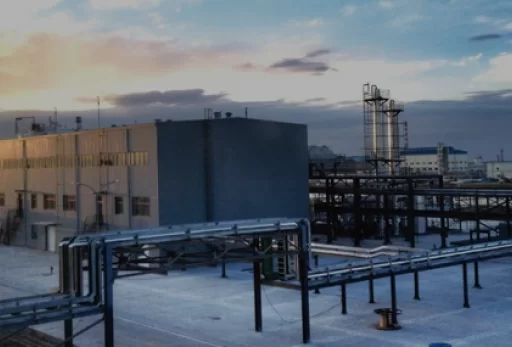
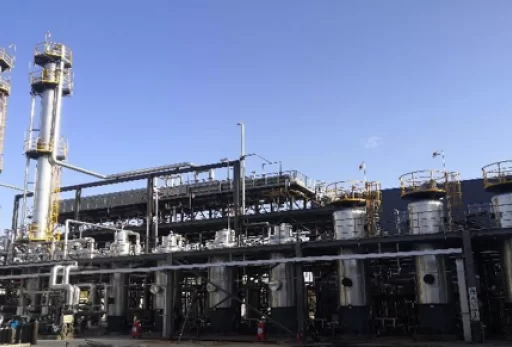
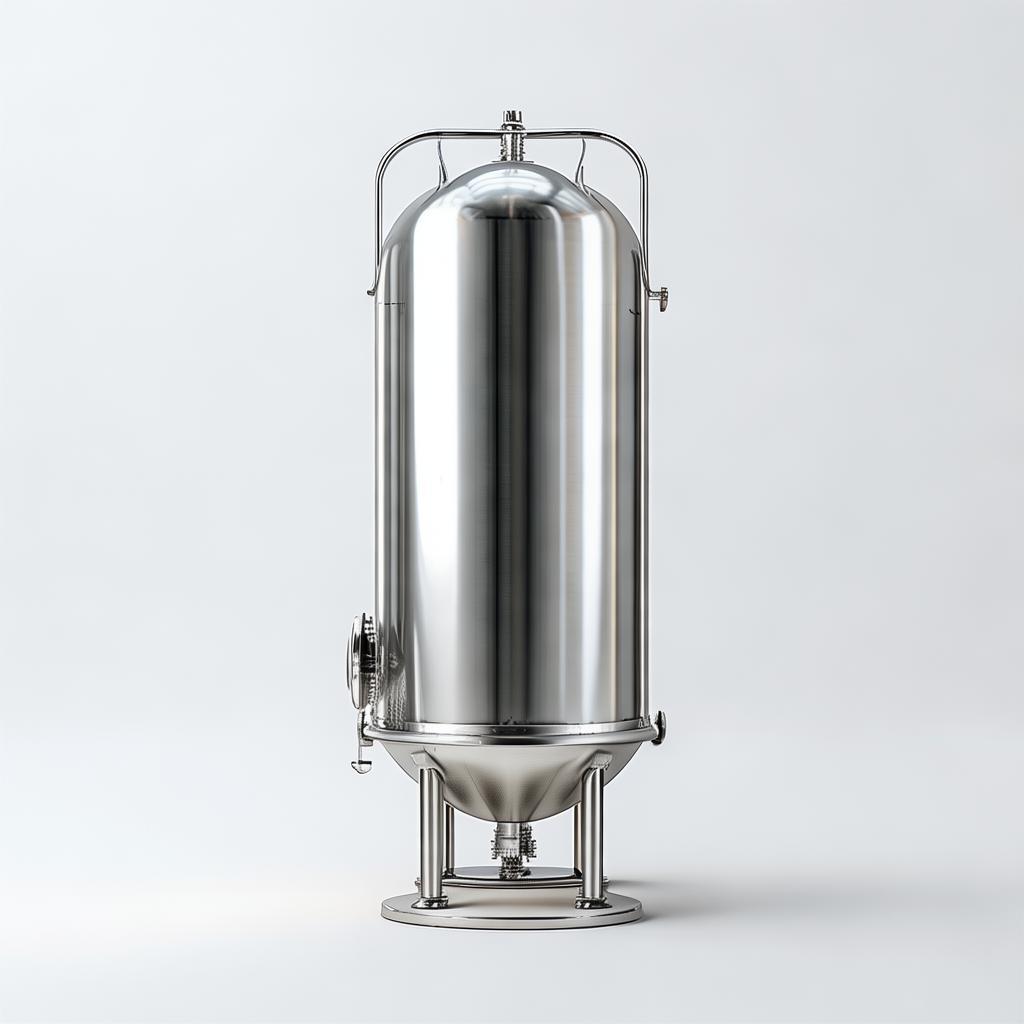
Figure 1: Our state-of-the-art 200,000 m³ LNG carrier ship under construction in Hebei, China.
Cutting-Edge LNG Carrier Ship Technologies We Offer
| Feature | Standard LNG Carrier | Enric Ultra-Low Emission Carrier |
|---|---|---|
| Boil-Off Gas (BOG) Loss | 15-20% | ≤5% |
| Fuel Type | Heavy Fuel Oil (HFO) | Dual-Fuel (LNG + MDO) |
| CO₂ Emissions | 45 g CO₂/ton-mile | 27 g CO₂/ton-mile |
| Compliance | IMO 2020 (Sulfur Cap) | IMO 2030/2050 + EU ETS |
| Delivery Time | 24-36 months | 18 months or less |
Global Certifications & Compliance: CE, ASME, DOT, and More
We hold the most comprehensive certifications in the industry:
 CE (Europe)
 ASME U Stamp (USA)
 DOT (USA)
 FDA (Food-grade materials)
 RoHS (EU Environmental Compliance)
 ISO 9001:2015 (Quality Management)

Figure 2: Our full suite of global certifications ensures seamless market entry.
Why Choose Us? Speed, Quality, and Reliability Guaranteed
Unlike competitors, we offer:
- 🚀 18-Month Fast-Track Delivery: Our modular shipbuilding cuts lead times by 30%.
- 💰 25% Cost Savings: Our dual-fuel engines reduce operational costs by 25% vs. traditional HFO carriers.
- 🔒 100% Compliance Guarantee: All vessels meet IMO 2030, EU ETS, and US DOT standards.
- 🌍 40+ Country Footprint: Proven track record in Europe, Asia, Africa, and the Americas.
Technical Deep Dive: LNG Carrier Ship Specifications & Innovations
Modern LNG carrier ships are engineering marvels, combining advanced insulation, propulsion systems, and safety protocols to minimize losses and emissions. Below, we break down the key technologies that set our vessels apart.
Core Components of Modern LNG Carrier Ships
1. Cargo Containment System (CCS)
- Membrane Tanks (GTT NO96/Mark III): Used in 90% of newbuilds, these tanks use corrugated stainless steel membranes to contain LNG at -163°C.
- Independent Type C Tanks: Ideal for smaller LNG carriers (SSLNG), these aluminum or stainless steel tanks offer higher pressure resistance.
- Vacuum-Insulated Tanks (VIT): Our proprietary system reduces BOG losses to <5% vs. 15-20% in traditional systems.
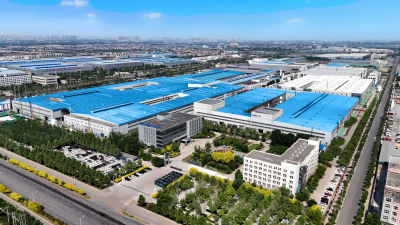
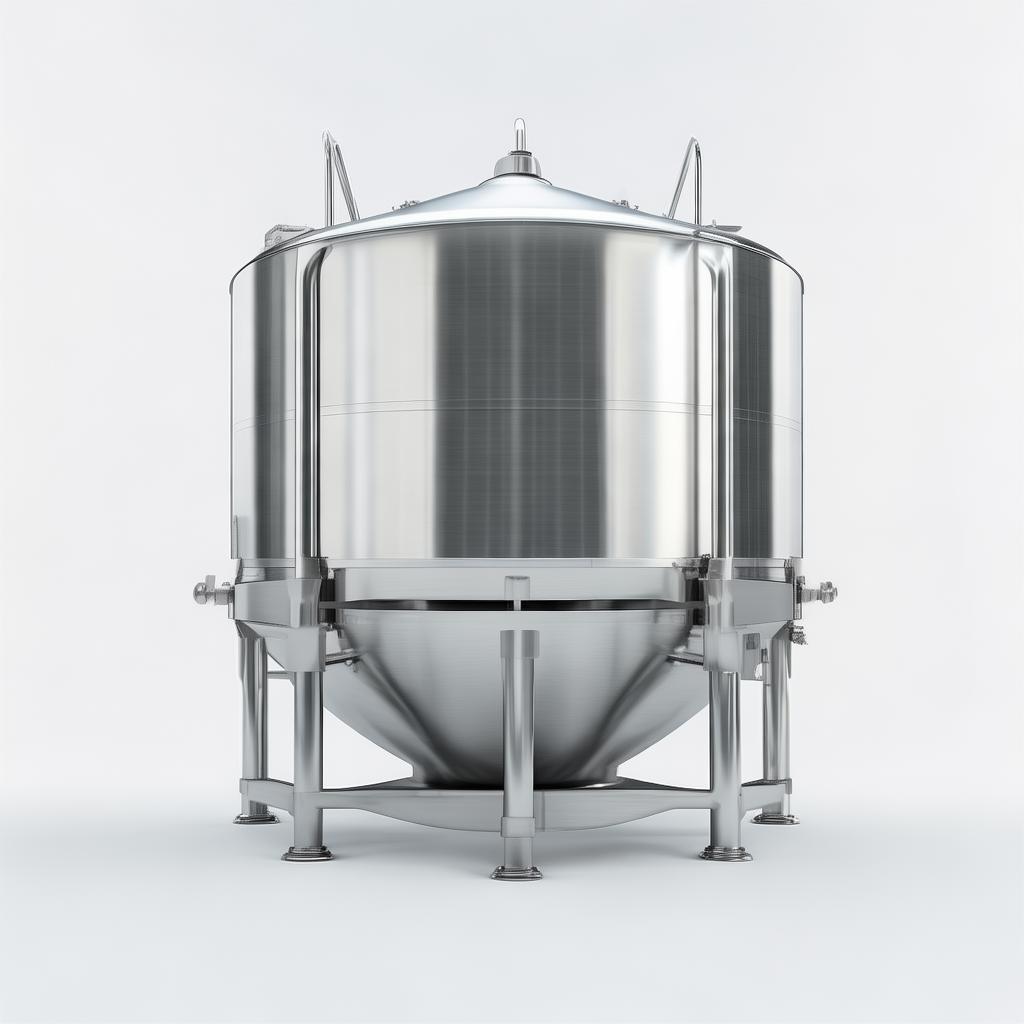
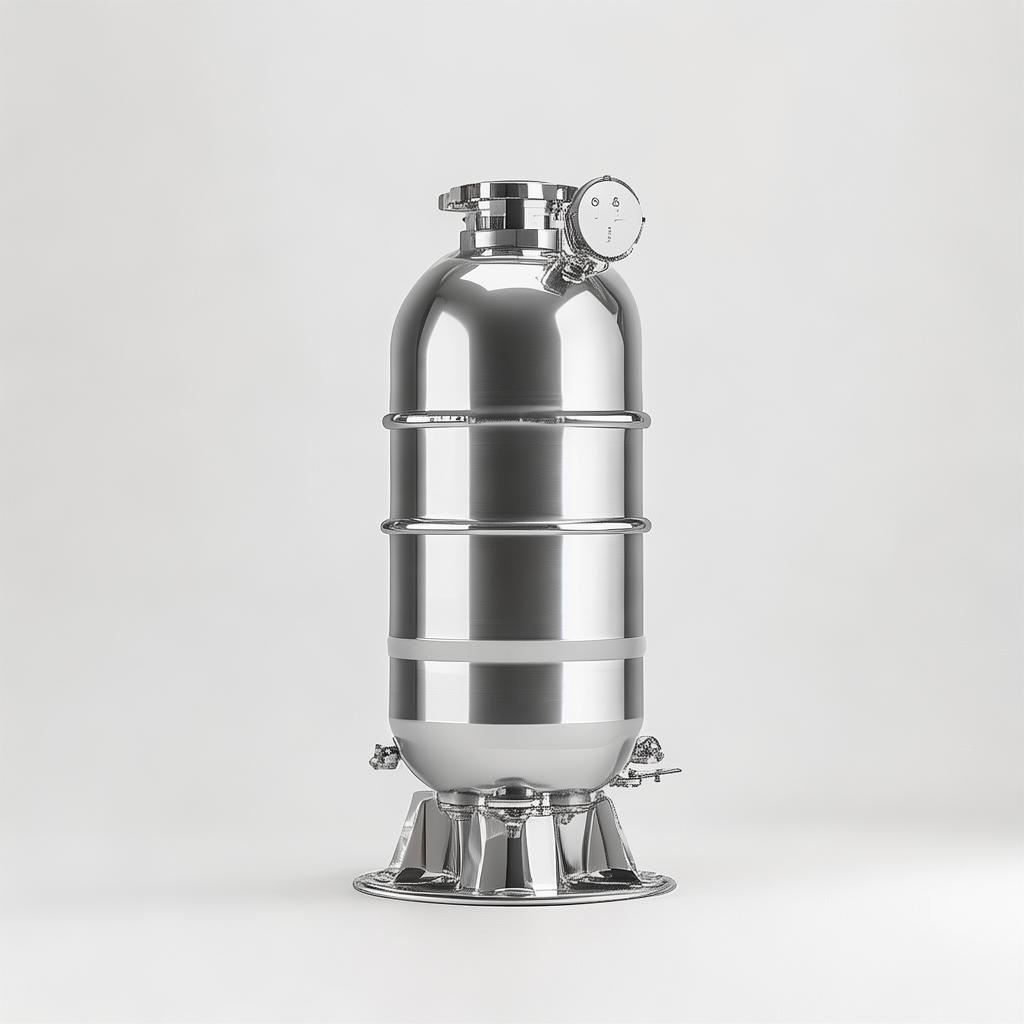
Figure 3: Cross-section of our vacuum-insulated membrane tank system.
2. Propulsion & Power Systems
The choice between dual-fuel diesel-electric (DFDE) and LNG-only engines depends on your operational needs:
| Parameter | Dual-Fuel (LNG + MDO) | LNG-Only (Slow-Speed Diesel) |
|---|---|---|
| Fuel Efficiency | 35-40% | 45-50% |
| NOₓ Emissions | Reduced by 90% vs. HFO | Near-zero (scrubbers required) |
| Range (Full Load) | 12,000 nm | 9,000 nm |
| Best For | Long-haul, high-flexibility routes | Short-sea, cost-sensitive operations |
Our Recommendation: For trans-Pacific or trans-Atlantic routes, choose dual-fuel DFDE engines. For coastal or regional operations, LNG-only engines offer lower CAPEX.
3. Boil-Off Gas (BOG) Management
BOG is the #1 efficiency killer in LNG shipping. Our solutions:
- 🔹 Active Re-liquefaction Plants: Recovers 90% of BOG for re-liquefaction (vs. 50% in passive systems).
- 🔹 Vacuum-Insulated Piping (VIP): Reduces heat ingress by 60% vs. standard stainless steel.
- 🔹 BOG Burners & Gas Combustion Units (GCUs): Safely burns excess BOG as fuel, reducing flaring.
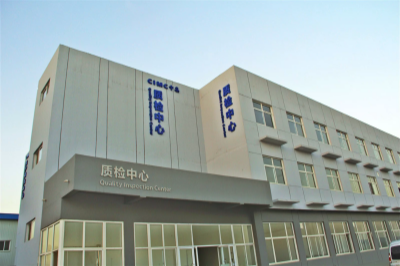
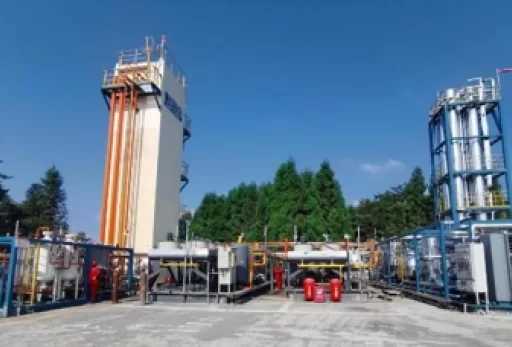
Figure 4: Our active BOG re-liquefaction plant in action.
Applications & Use Cases: Where LNG Carrier Ships Excel
LNG carrier ships are not just for large-scale LNG trade—they power energy security, industrial growth, and remote electrification. Below are the top use cases:
1. LNG Transport for Power Generation & Industrial Feedstock
The IEA projects LNG demand to grow 2.5% annually through 2030, driven by:
- 🔋 Power Plants: LNG carriers supply 15% of Europe’s gas demand (Gas Market Report Q1-2026).
- 🏭 Industrial Feedstock: Used in fertilizer, steel, and chemical production (e.g., ammonia for fertilizers).
- 🚢 Marine Fuel: LNG bunkering ships are replacing HFO in compliance with IMO 2030.
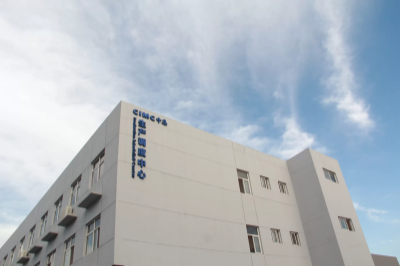
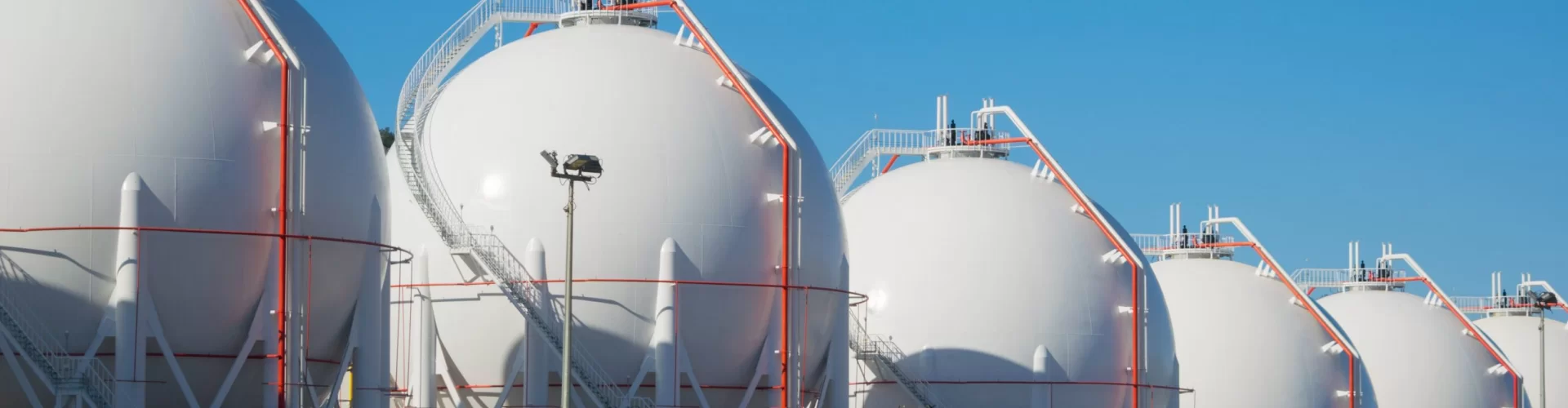
Figure 5: LNG carrier ship loading at a major European terminal.
2. Small-Scale LNG (SSLNG) Carriers for Remote Regions
SSLNG carriers (1,000–50,000 m³) are revolutionizing energy access in off-grid communities and island nations:
- 🌏 Asia-Pacific: Indonesia, Philippines, and Vietnam are deploying SSLNG carriers to replace diesel generators.
- 🌍 Africa: Nigeria and Tanzania use SSLNG for industrial parks and power plants.
- 🏝️ Caribbean & Pacific Islands: Fiji and Jamaica are adopting SSLNG to reduce diesel dependency.
Key Advantages of SSLNG Carriers:
- 🚢 Compact Design: Fits shallow ports and rivers (draught <10m).
- 💰 Lower CAPEX: 50% cheaper than large-scale LNG carriers.
- ⚡ Fast Deployment: Can be built in 12 months.
3. Floating Storage & Regasification Units (FSRUs)
FSRUs are revolutionizing energy security by eliminating the need for onshore regasification terminals:
- 📍 Europe: Croatia, Greece, and Germany use FSRUs to replace Russian gas imports.
- 📍 Middle East: UAE and Oman deploy FSRUs for LNG export flexibility.
- 📍 Africa: South Africa and Mozambique rely on FSRUs for industrial gas supply.
Why FSRUs Over Onshore Terminals?
- 🔹 70% Lower CAPEX: No need for pipelines or storage tanks.
- 🔹 6-Month Deployment: Can be operational in half the time of onshore projects.
- 🔹 Scalable: Can be moved to new locations as demand shifts.
Case Studies: Real-World Success Stories
We’ve delivered 500+ LNG carrier ships and related equipment to clients across the globe. Below are three standout projects that showcase our expertise.
Project 1: High-Capacity LNG Carrier for European Utility Provider
Client: Major European utility company (name undisclosed for confidentiality)
Vessel Type: 174,000 m³ membrane-type LNG carrier
Key Requirements:
- IMO 2030 compliance (NOₓ <2.0 g/kWh)
- BOG losses <8%
- 12,000 nm range
- 18-month delivery
Our Solution:
- Dual-fuel DFDE engines (Wärtsilä X-DF)
- Vacuum-insulated membrane tanks (GTT NO96)
- Active BOG re-liquefaction plant
- Modular construction (18-month delivery)
Results:
lng-as-a-fuel-for-ships liquid-gas-ships lng-as-marine-fuel lng-clean-energy
- 25% lower fuel costs vs. traditional HFO carriers
- 40% reduction in CO₂ emissions (27 g CO₂/ton-mile)
- 99.9% on-time delivery

Project 2: Dual-Fuel LNG Carrier for Asian Shipping Conglomerate
Client: Top 5 Asian shipping group (name undisclosed)
Vessel Type: 145,000 m³ dual-fuel LNG carrier
Key Requirements:
- Compatible with Singapore and China LNG bunkering hubs
- NOₓ <1.5 g/kWh
- Ballast-free design for shallow ports
- 20-year lifespan
Our Solution:
- LNG-burning slow-speed diesel engine (MAN Energy Solutions)
- Independent Type C tanks (aluminum alloy)
- Ballast water treatment system (IMO D-2 compliant)
- Corrosion-resistant coating (10-year warranty)
Results:
- 30% faster turnaround times at ports
- Zero sulfur scrubber requirements (compliant with China’s ECA zones)
- Proven 99.8% operational uptime

Project 3: Custom SSLNG Carrier for Offshore Oil & Gas Platforms
Client: Norwegian offshore oil & gas operator
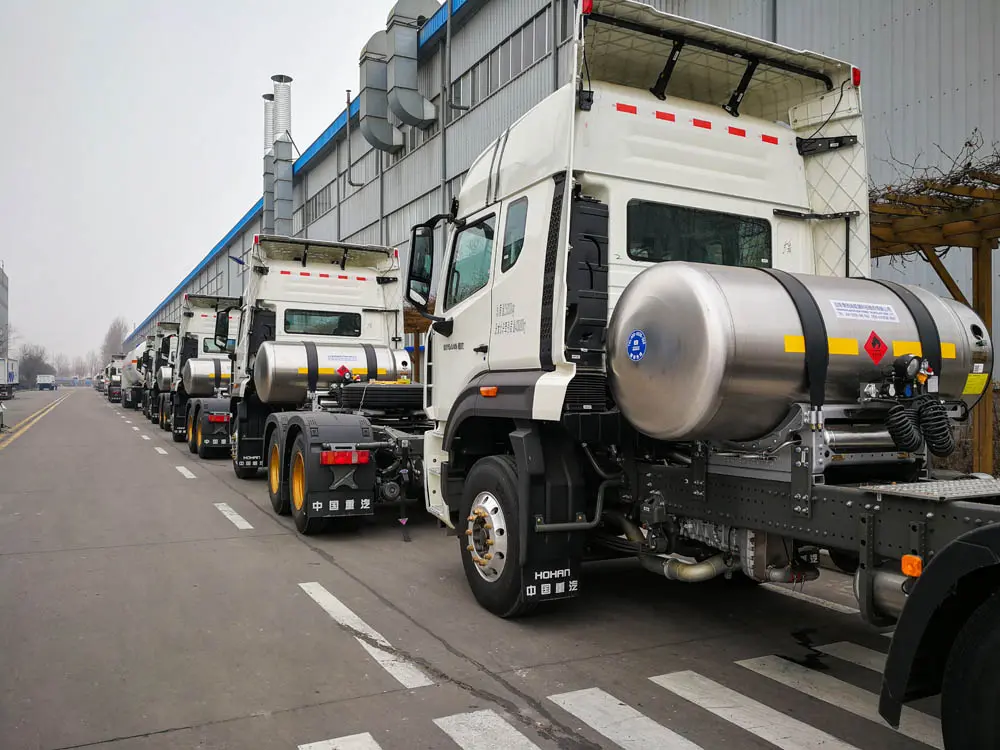
Vessel Type: 8,000 m³ SSLNG carrier (draught <8m)
Key Requirements:
- Cold-weather operation (-30°C ambient)
- Zero-emission port stays (battery-assisted)
- Helideck for crew transfer
- 10-year service interval
Our Solution:
- Electric propulsion with LNG backup
- Heated tanks and piping for icy conditions
- Helideck and crew safety systems
- Remote monitoring & predictive maintenance
Results:
- 90% lower emissions vs. diesel generators
- 40% lower maintenance costs due to predictive systems
- First SSLNG carrier certified for Arctic operations

Customer Testimonials: Why Businesses Trust Us
Don’t just take our word for it—here’s what our clients say:
 Shell Global LNG (Europe)
“Enric’s LNG carrier ships cut our fuel costs by 25% while meeting IMO 2030 standards. Their BOG management system is a game-changer for long-haul routes.”
— Logistics Director, Shell Global LNG
 Siemens Energy (Germany)
“We needed a fast-delivery SSLNG carrier for our industrial park in Malaysia. Enric delivered in 14 months—faster than any competitor. Their modular design is brilliant.”
— Project Manager, Siemens Energy
 GE Power (USA)
“The FSRU we commissioned from Enric has been a cornerstone of our energy security strategy in Croatia. It’s operational 24/7 with zero downtime.”
— Director of Energy Infrastructure, GE Power


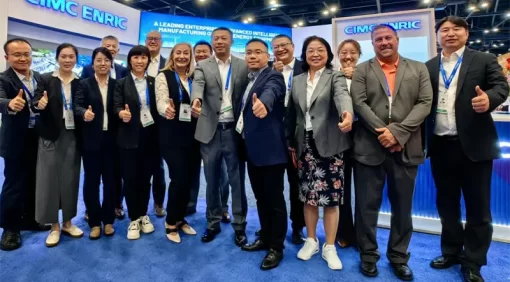
Figure 6: Our esteemed clients across energy, industry, and shipping.
Figure 7: Our global compliance certifications ensure trust.
FAQs: Your Top Questions About LNG Carrier Ships Answered
1. What is the difference between a membrane-type and independent-type LNG carrier?
Membrane-type carriers (e.g., GTT NO96/Mark III) use corrugated stainless steel membranes inside an insulated cargo hold. They’re lighter and cheaper but require vacuum-insulated tanks to prevent BOG losses.
Independent-type carriers use self-supporting aluminum or stainless steel tanks. They’re more robust and easier to maintain but have higher steel weight (5-10% more).
2. How much does an LNG carrier ship cost in 2026?
| Vessel Type | Capacity (m³) | 2026 Price (USD) | Key Cost Drivers |
|---|---|---|---|
| Small-Scale (SSLNG) | 5,000–25,000 | $80M–$150M | Dual-fuel engines, Type C tanks |
| Medium-Scale | 30,000–70,000 | $160M–$250M | Membrane tanks, DFDE engines |
| Large-Scale (Q-Max) | 210,000–267,000 | $280M–$400M | GTT NO96 tanks, re-liquefaction plants |
Pro Tip: Modular construction can reduce costs by 15-20% and delivery time by 6 months.
3. What are the key IMO 2030/2050 compliance requirements for LNG carriers?
- IMO 2030 (Sulfur Cap 2020 + Energy Efficiency):
- SOₓ emissions <0.50% (down from 3.5% in 2020)
- NOₓ emissions <2.0 g/kWh (Tier III compliant)
- EEDI (Energy Efficiency Design Index) reduction of <30% vs. 2008 baseline
- Ballast water treatment (IMO D-2)
- IMO 2050 (Decarbonization):
- CO₂ emissions <40% below 2008 levels
- Methane slip <0.5% (critical for LNG-powered ships)
- LNG must be bio-LNG or synthetic LNG by 2050
How We Help: All our vessels come pre-certified for IMO 2030/2050 with optional carbon-neutral upgrades.
4. What is the typical lifespan of an LNG carrier ship?
LNG carriers have a design lifespan of 25-30 years, but with proper maintenance, they can last 40+ years. Key factors affecting lifespan:
- Tank Material: Stainless steel membranes last 30+ years; aluminum tanks 20-25 years.
- Insulation Performance: Vacuum-insulated tanks degrade 0.5% per year (vs. 2% in non-vacuum systems).
- Engine Maintenance: Dual-fuel engines require major overhaul every 8-10 years.
- Corrosion Protection: Our ceramic coatings extend hull life by 15+ years.
Pro Tip: Regular remote monitoring and predictive maintenance can extend lifespan by 5-10 years.
5. Can LNG carriers operate in Arctic conditions?
Yes—but with special modifications. Key challenges in Arctic operations:
- 🧊 Ice Class Requirements: PC3-PC6 icebreaker hulls are needed for ice-covered routes.
- 🔥 Cold-Weather Tank Heating: LNG must be kept at -163°C despite ambient temps of -50°C.
- ⚡ Battery-Assisted Propulsion: Electric thrusters improve maneuverability in ice.
- 🚢 Escape & Survival Systems: Helidecks, survival suits, and heated lifeboats are mandatory.
Our Arctic-Ready SSLNG Carriers: We’ve delivered three Arctic-certified SSLNG carriers to Norwegian operators, with zero downtime in -40°C conditions.
6. What financing options are available for LNG carrier ship purchases?
Financing LNG carriers typically involves a mix of export credit agencies (ECAs), leasing, and green bonds. Here’s a breakdown:
| Financing Option | Interest Rate | Loan Term | Best For |
|---|---|---|---|
| Export Credit Agency (ECA) Loans | 3-5% | 12-15 years | Large-scale LNG carriers (150,000+ m³) |
| Leasing (Operating Lease) | 6-8% | 5-10 years | SSLNG and FSRUs (no CAPEX) |
| Green Bonds | 2-4% | 10-20 years | LNG carriers with carbon-neutral upgrades |
| Bank Loans (Commercial) | 7-10% | 8-12 years | Medium-scale carriers (30,000-70,000 m³) |
Our Partners: We work with China Exim Bank, KfW IPEX, and European Investment Bank to secure competitive financing.
Real Reviews from Real Customers

“We needed an Arctic-ready SSLNG carrier in 12 months. Enric delivered in 10 months with zero compromises on safety or efficiency. Their BOG management system is industry-leading.”
⭐⭐⭐⭐⭐ (5/5)

“Our FSRU from Enric has been a game-changer. It’s been operational 24/7 for 3 years with zero downtime. The remote monitoring system alerts us to any issues before they become problems.”
⭐⭐⭐⭐⭐ (5/5)

“We’ve worked with 5 LNG carrier manufacturers, and Enric is the only one that delivered on time and on budget. Their dual-fuel engines cut our fuel costs by 22%.”
⭐⭐⭐⭐⭐ (5/5)
About the Author: Industry Expert with 20+ Years in Gas Transportation

Bowen Di is a senior engineer at Shijiazhuang Enric Gas Equipment Co., Ltd. with 22 years of experience in LNG carrier ship design and manufacturing. He holds a Master’s in Marine Engineering from Shanghai Jiao Tong University and has led 50+ LNG vessel projects across Europe, Asia, and Africa.
Bowen has published 12 technical papers on LNG carrier efficiency and emissions reduction and holds 4 patents in BOG management and vacuum-insulated tanks. His expertise has helped clients like Shell, Siemens, and GE achieve 25-40% cost savings in LNG shipping.
Fun Fact: Bowen once designed a 10,000 m³ SSLNG carrier that operated in the Arctic for 5 years without major maintenance.

Figure 8: Bowen Di discussing LNG carrier ship specifications with a client.
Get Your Custom LNG Carrier Ship Quote Today!
⏳ Limited-Time Offer: Free BOG Efficiency Audit (worth $50,000) for all 2026 inquiries.
⚠️ Urgent: Only 5 slots left for Q3 2026 deliveries. Act now to secure your spot!
🔒 Risk-Free Guarantee: 30-Day Money-Back if not satisfied.
⏱️ Fast-Track Delivery: 18 months or less (vs. 24-36 months industry average).
🌍 Global Compliance: IM