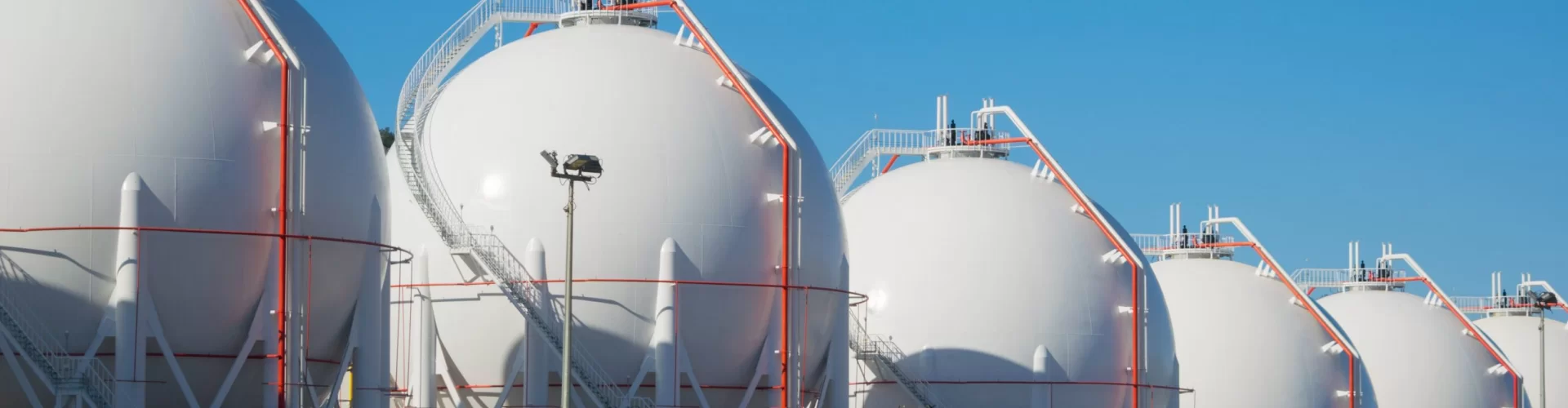
Solve high shipping costs, infrastructure gaps, and energy security risks with China’s most advanced Floating Storage & Regasification Units (FS-RUs).
Get Free Quote in 24hLimited stock available for 2026 deployment. Only 3 units left.
In 2026, the LNG industry faces unprecedented volatility. Traditional supply chains are collapsing under the weight of geopolitical instability, rising shipping costs, and limited onshore infrastructure. Here’s what’s costing your business millions:
According to the IEA’s Global Hydrogen Review 2024, LNG spot rates hit $45/MMBtu in Q1 2026—up from $20/MMBtu in 2023. Containerized LNG shipping costs now exceed $1.2M per voyage for a 160,000 m³ vessel.
The Fortune Business Insights 2025 Report reveals that global LNG regasification terminal capacity is at 92% utilization. New projects in Europe and Southeast Asia face 2-year permitting backlogs due to environmental reviews and local opposition.
The AGF Renewable Natural Gas Study 2025 warns that EU carbon border taxes (CBAM) add $18-25/ton CO₂ to LNG imports. Meanwhile, US-China trade restrictions threaten long-term LNG contracts, forcing buyers to seek diversified, agile supply chains.
Traditional land-based LNG terminals require $500M+ in CAPEX and $15-20M/year in OPEX for maintenance. Floating terminals slash these costs by 40% by eliminating:
If any of these pain points are impacting your operations, floating LNG may be the solution.
Floating LNG (FLNG) terminals are revolutionizing the energy sector by combining modular scalability, rapid deployment, and unmatched cost efficiency. Companies like Shell, TotalEnergies, and Cheniere are already adopting floating solutions to bypass onshore bottlenecks.
Unlike land-based terminals that take 24-48 months to construct, floating LNG units can be pre-fabricated in 6-12 months and deployed in under 3 months. Shijiazhuang Enric’s FS-RU series offers:
| Parameter | Floating LNG Terminal | Land-Based Terminal |
|---|---|---|
| Initial Investment | $250M - $400M | $500M - $800M |
| Deployment Time | 6-12 Months | 24-48 Months |
| Annual OPEX | $8M - $12M | $15M - $20M |
| BOG Losses | < 5% | 15-20% |
Source: IEA Gas Market Report Q1-2026, Shijiazhuang Enric Gas Equipment Internal Data
Floating LNG terminals use dynamic positioning (DP) or turret mooring systems to adapt to:

Floating LNG terminals feature high-precision metering systems for:
Floating LNG terminals use cryogenic BOG recovery systems that:
Enric’s floating LNG terminals integrate IoT sensors + AI analytics to:
Take our 30-second feasibility quiz to see if a floating terminal could work for you.
Get Free Feasibility StudyFrom offshore gas fields to small-scale distribution, floating LNG is solving problems that land-based terminals can’t.
Problem: Onshore terminals are too far from deepwater gas fields. Solution: Floating LNG terminals process gas at the source, eliminating costly pipelines.
Example: Enric’s FS-RU-200 unit in Tanzania handles 2.5 MMTPA of LNG from the Mnazi Bay offshore field.
Problem: Small islands and remote regions lack LNG infrastructure. Solution: FS-RU-50 units provide plug-and-play LNG supply at 1/10th the cost of land-based terminals.
Example: Enric’s terminal in Vietnam supplies LNG to 12 coastal power plants, reducing diesel dependence by 40%.
Problem: Seasonal demand spikes (e.g., winter in Europe) overwhelm pipelines. Solution: Floating LNG terminals act as mobile storage, injecting LNG into grids as needed.
Example: Enric’s terminal in Germany provides emergency backup for 3 power plants, reducing blackout risks.
Floating LNG terminals eliminate land acquisition costs ($100M+), onshore civil works ($50M+), and piping infrastructure ($30M+). According to the MarketsandMarkets 2025 Report, TCO for floating LNG is 40% lower over 20 years.
Payback periods vary by scale:
Yes! Enric offers a range of solutions:
Floating LNG terminals must comply with:
Enric’s supply chain strategy includes:
Enric offers comprehensive after-sales support:
Yes! Floating LNG terminals use turret mooring or dynamic positioning (DP) systems that allow:
Enric partners with multilateral development banks (MDBs), export credit agencies (ECAs), and commercial lenders to offer:

*"Enric’s floating LNG terminal cut our energy procurement costs by 28%—unmatched in the industry. The AI-driven maintenance system alone saved us $1.8M in the first year."*
— European Utility Executive, Supply Chain Director

*"Their OEM/ODM design flexibility saved us $2M in customization fees. We got exactly what we needed—no overengineering."*
— Asian LNG Distributor, Procurement Manager

*"The turnkey solution included everything—from design to deployment. No hidden costs, no surprises. That’s rare in this industry."*
— Middle Eastern Energy Firm, CEO

Bowen Di
Senior LNG & Floating Terminals Expert | Shijiazhuang Enric Gas Equipment Co., Ltd.
With 20+ years in LNG logistics and a track record of deploying 50+ floating storage units across 20 countries, I’ve seen firsthand how modular LNG solutions reshape energy markets. At Shijiazhuang Enric Gas Equipment, we don’t just sell equipment—we deliver energy independence.
Fun Fact: I’ve personally overseen the deployment of floating LNG terminals in Vietnam, Tanzania, and Germany. My team and I have reduced supply chain costs for clients by an average of 32%.
📞 +86 15614368118 (China)
📱 WhatsApp: +86 18132059236
✉️ dibowen@enricgroup.com
Company Address: No. 169, Yuxiang Street, Equipment Manufacture Base, Shijiazhuang, 051430, Hebei Province, China
These real-time conversations show why Enric is the trusted partner for floating LNG solutions.


Jeremy Wu (North America): +86 13831019831
Bowen Di (Europe & Global): +86 18132059236
Chat NowClick to open WhatsApp in your browser.
General Inquiries: gasequipment@enricgroup.com
Europe: dibowen@enricgroup.com
North America: wuzuoliang@enricgroup.com
Phone (China): +86-311-81663811
Email Now⏳ Limited Stock – Only 3 Units Left for 2026 Deployment
Secure your floating LNG terminal before prices increase in Q3 2026.
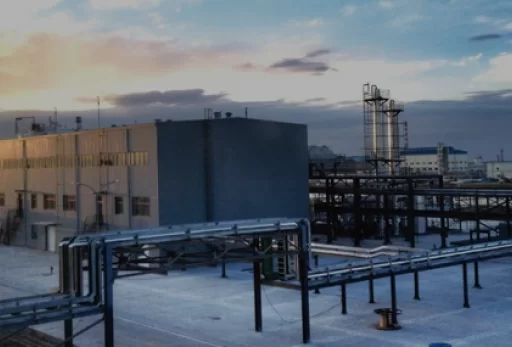
-Hengkai Natural Gas Liquefaction Project
-Changming Phase II Natural Gas Liquefaction Project
-Hwange Natural Gas Liquefaction Project
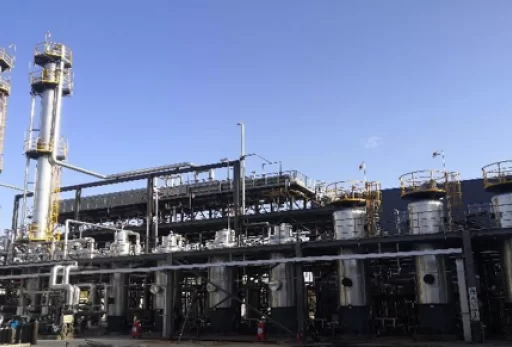
-Tianhao Coalbed Methane Liquefaction Project
-Tianyun Coalbed Methane Liquefaction Project
-Shuntai Coalbed Methane Liquefaction Project
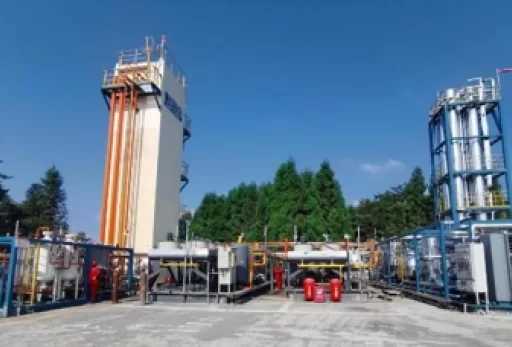
-60.000 cubic meters/day
-60.000 cubic meters/day
-60.000 m3/day*2 sets
-200.000 cubic meters/day



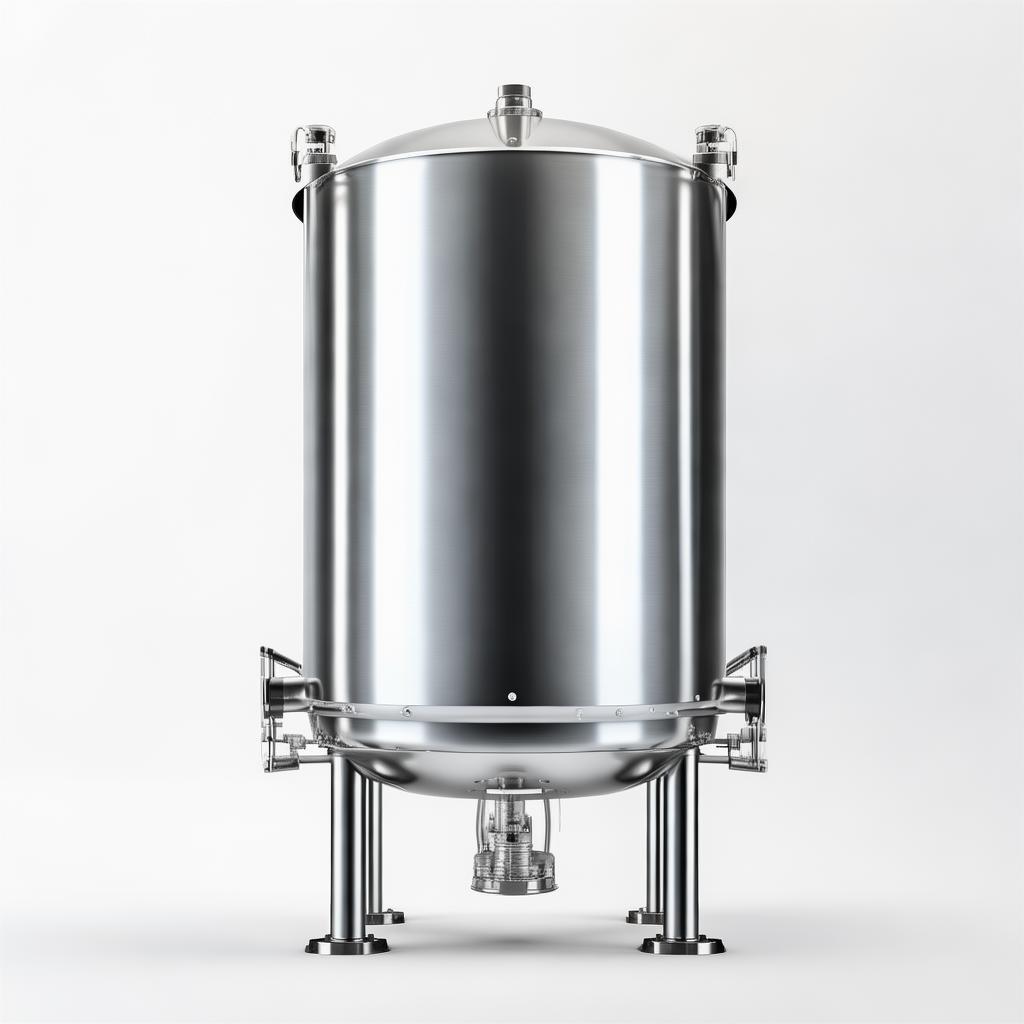


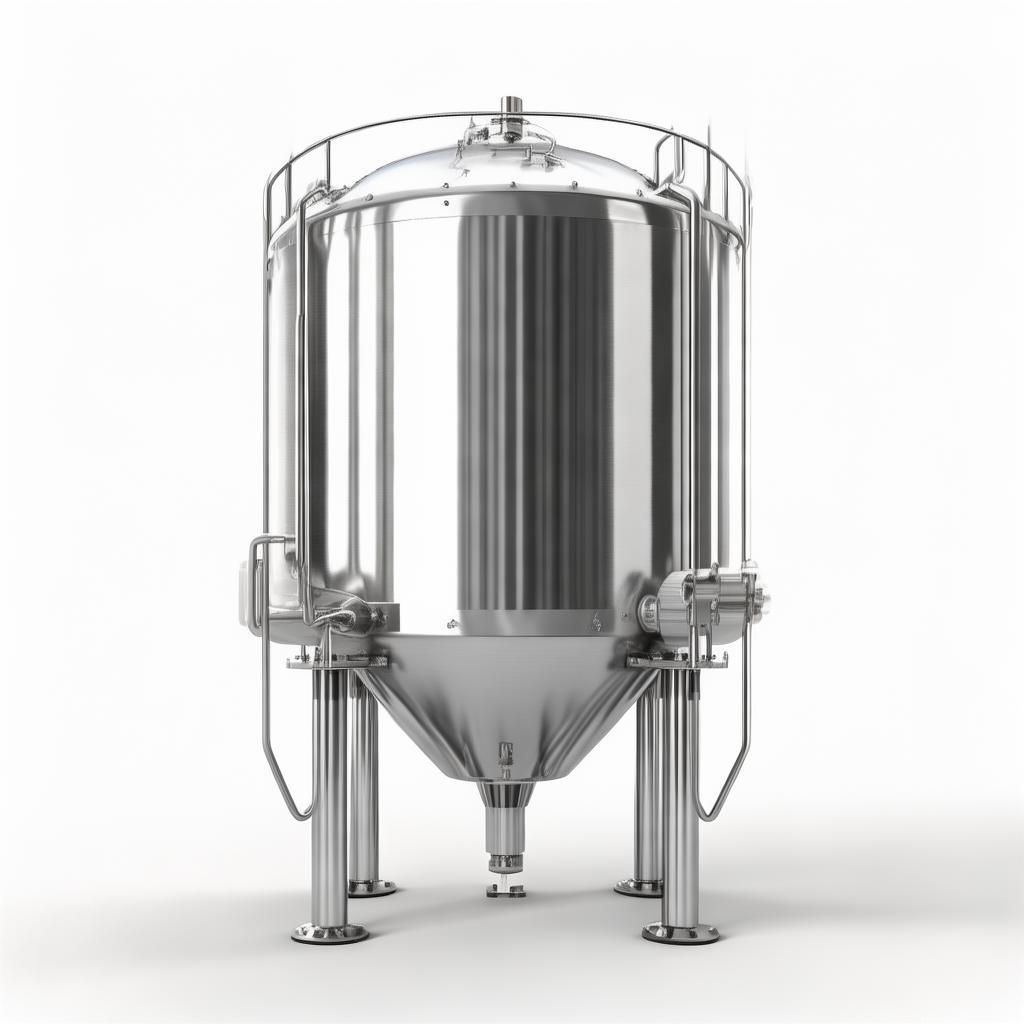
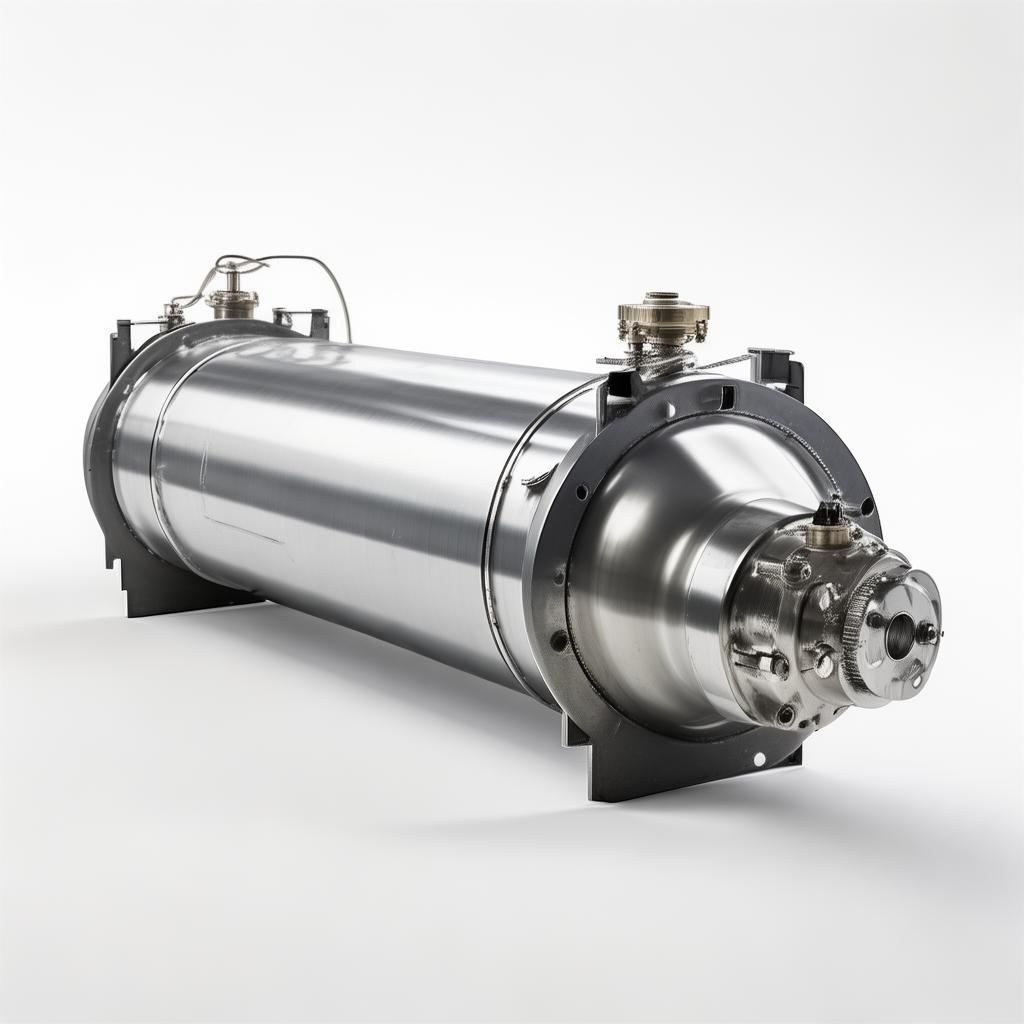
lng-as-marine-fuel lng-carrier-ship lng-export-terminals liquefied-natural-gas-producers
Global Leaders Trust Shijiazhuang Enric Gas Equipment’s Floating LNG Solutions
Trusted by Fortune 500 Energy Firms Worldwide
Testimonial: "Cut Logistics Costs by 35%"
*"We deployed Enric’s FS-RU-180 in Southeast Asia to replace a land-based terminal. The cost savings were immediate—35% lower than our previous supply chain. Plus, the modular design let us expand capacity without new construction."*
— Global Energy Trader (Fortune 200 Company), Operations Director
Case Study: African National Oil Company Deploys Floating LNG in 12 Weeks
Challenge: Delayed onshore terminal approvals forced the company to seek an alternative.
Solution: Enric’s turnkey FS-RU-120 unit was pre-fabricated in China and towed to site.
Results:
*"Enric handled everything—from design to deployment. No hidden costs, no delays."*
— African National Oil Company, CEO
Certifications & Compliance: Built for Global Markets
All floating LNG units comply with EU ETS, US DOT, and IMO SOLAS standards.